Iran Reports Suspension of Tanker Traffic Through Strait of Hormuz Hours After U.S.-Brokered Ceasefire; Regional Attacks Reported
Iranian state media and regional reporters said tanker traffic through the Strait of Hormuz was suspended on Wednesday hours after a two-week conditional ceasefire announced by President Donald Trump. The action, which Iranian outlets linked to Israeli strikes on Hezbollah in Lebanon, coincided with reports of damage to Saudi Arabia’s east-west pipeline and further missile and drone strikes across the region.
By Jim Hᴏft
914 views
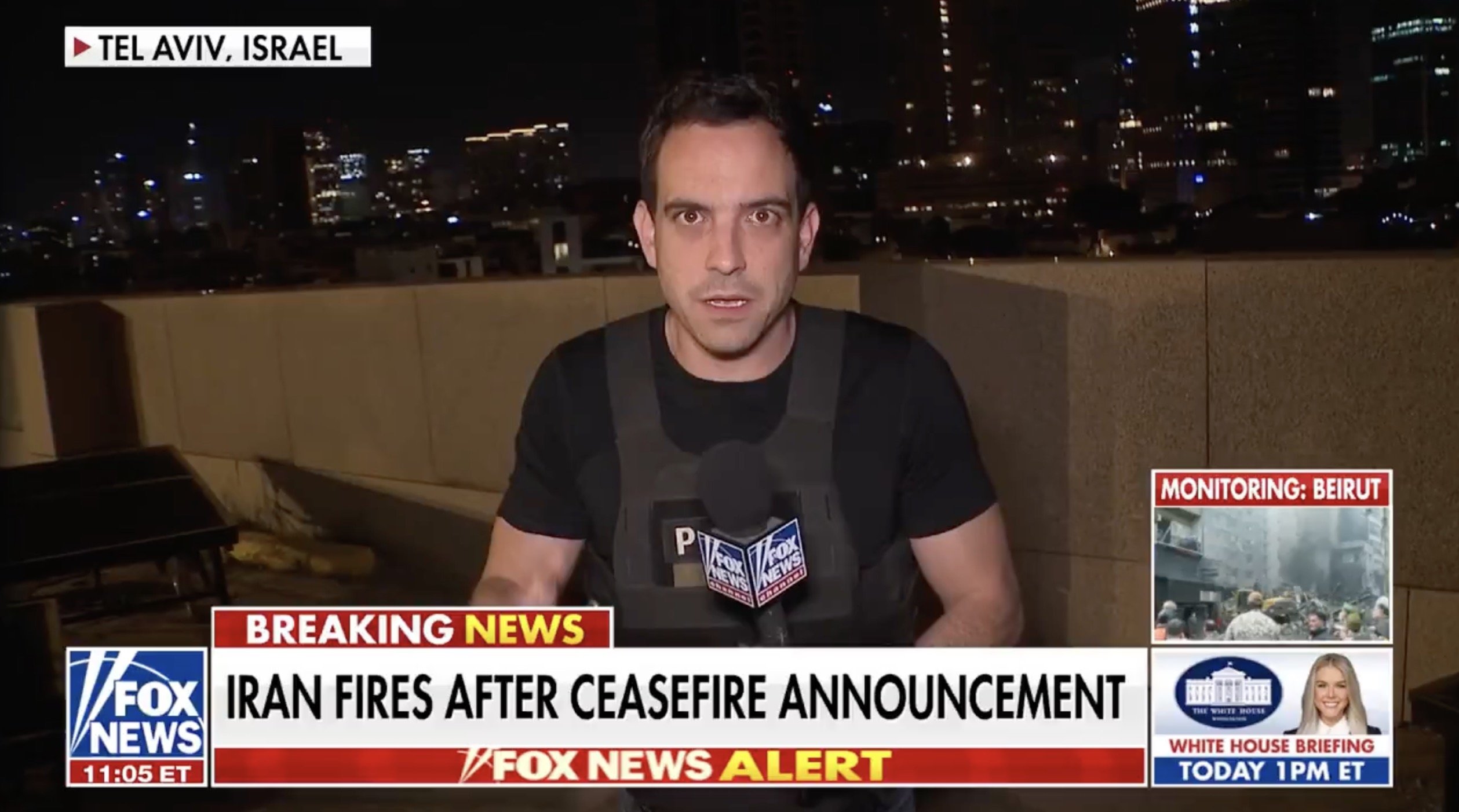
Reports from regional media and international correspondents on Wednesday said Iran has effectively suspended passage of oil tankers through the Strait of Hormuz just hours after a U.S.-brokered two-week conditional ceasefire was announced by President Donald Trump. The suspension was reported by Fars News Agency, which is linked to Iran’s Islamic Revolutionary Guard Corps (IRGC), and relayed by international reporters including Fox News correspondent Trey Yingst.
According to Yingst’s reporting, two vessels were permitted to pass early on Wednesday after the initial announcement of the ceasefire, but Iran moved to halt further tanker traffic later in the day. Iranian outlets framed the suspension as a response to Israeli strikes against Hezbollah in Lebanon. A senior Israeli official reached by Yingst warned that Iran was attempting to leverage its control over the Strait to put pressure on global energy trade.
The reported suspension in the Strait of Hormuz came amid other reported strikes and attacks across the region. Sources cited by international media indicated an overnight attack struck Saudi Arabia’s east-west oil pipeline and that the extent of the damage was being assessed. That pipeline is the principal alternative route for Saudi crude exports when the Strait of Hormuz is blocked, and damage to it would constrain Saudi Arabia’s ability to move oil to world markets.
Additional reports said strikes targeted Iranian oil infrastructure at Lavan Island, a refinery location off the Iranian coast. Officials quoted in coverage said it was not yet clear which party carried out those strikes. There were also accounts of missiles and drones launched toward Israel, with footage and reporting describing a ballistic missile with a cluster warhead over Tel Aviv soon after the ceasefire was announced. Fox News and other outlets described launches from Iranian territory toward Kuwait and missile activity directed at the United Arab Emirates, with reports of missiles toward Bahrain and Qatar as well.
The apparent rapid deterioration of the ceasefire framework prompted U.S. and Israeli officials to clarify its scope. PBS journalist Elizabeth Landers said President Trump told her that Israel’s war against Hezbollah in Lebanon is NOT part of the ceasefire deal, a position that White House Press Secretary Karoline Leavitt reportedly reinforced in communications with Israeli media. Israeli Prime Minister Benjamin Netanyahu also publicly expressed support for the U.S. effort, saying in part: “Israel also supports the U.S. effort to ensure that Iran no longer poses a nuclear, missile, and terror threat to America, Israel, Iran’s Arab neighbors, and the world.”
On social media and in street demonstrations, pro-regime supporters in Tehran were reported to have taken to the streets early Wednesday, chanting “Death to America,” and “Death to Israel,” and burning flags, images that commentators said reflect continued public support for hardline positions within Iran. In Lebanon, Israeli forces were reported to have launched what was described as the largest round of strikes since active operations began, hitting more than 100 targets across the country. Officials and local reports from Beirut’s Dahieh neighborhood, a Hezbollah stronghold, said there were wounded and killed in the strikes.
President Trump posted on Truth Social on Wednesday about Iran’s nuclear program, stating: “There will be no enrichment of uranium, and the United States will, working with Iran, dig up and remove all of the deeply buried nuclear dust.” U.S. and Israeli officials cited by reporters emphasized that, despite the ceasefire framework with Iran, Hezbollah remains engaged in active conflict with Israel and that preventing Iran from retaining enriched uranium remains a high priority. The convergence of maritime restrictions, attacks on energy infrastructure, and cross-border strikes has raised immediate concerns about the stability of oil markets and the potential for broader regional escalation in the coming days.