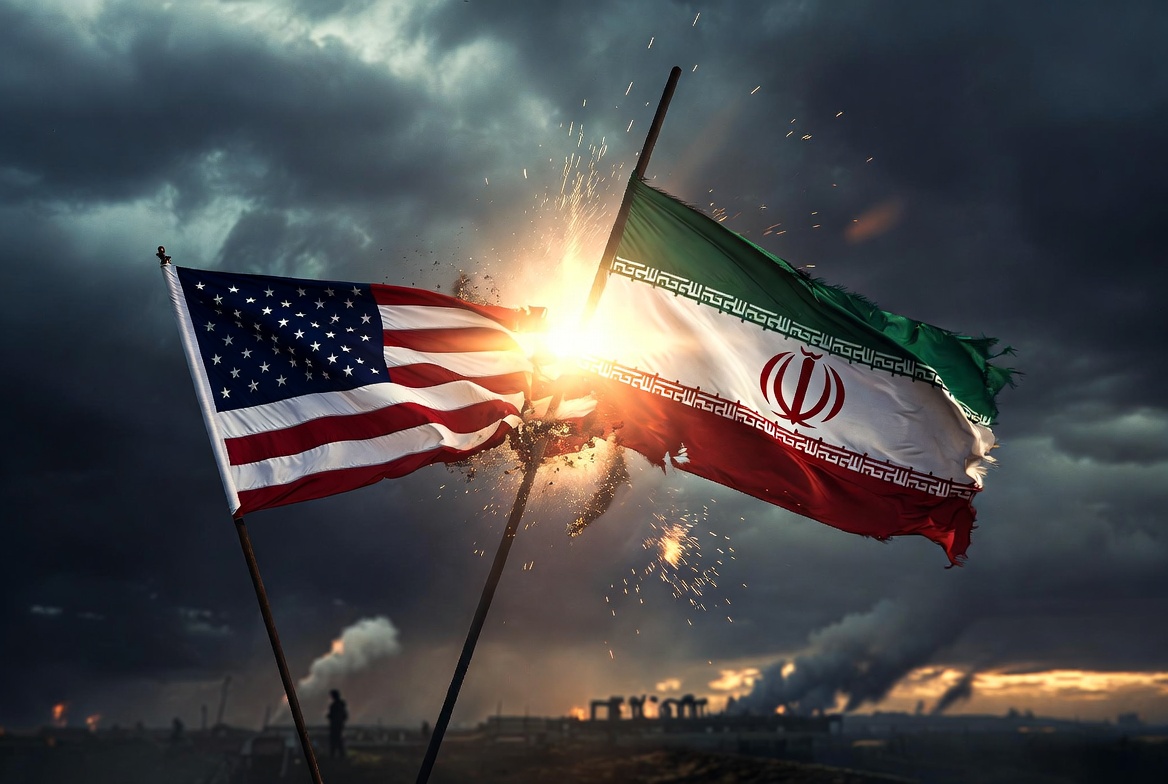
Iran Issues Last-Minute Demands Hours Before Islamabad Talks, Insists on Release of Frozen Assets and Lebanon Ceasefire
Just hours before scheduled peace negotiations in Islamabad, Iran presented an ultimatum that the United States must release billions in frozen Iranian assets and that a full ceasefire be implemented in Lebanon before talks begin. The declaration from Iranian Parliament Speaker Mohammad Bagher Ghalibaf cast doubt on whether Iranian delegations would attend as U.S. Vice President JD Vance flew to Pakistan to try to solidify a longer-term agreement.
By Jim Hᴏft
811 views
Iran issued a sudden set of demands on Friday that threatened to derail high-stakes negotiations with the United States planned to begin in Islamabad. Mohammad Bagher Ghalibaf, speaker of the Iranian Parliament, used the social platform X to say that two measures — the release of Iran’s frozen assets and a full ceasefire in Lebanon — must be implemented “prior to the commencement of negotiations.”
Ghalibaf’s statement, posted hours before the talks were due to start, repeated the conditions in English and included his name in Persian: “Two of the measures mutually agreed upon between the parties have yet to be implemented: a ceasefire in Lebanon and the release of Iran’s blocked assets prior to the commencement of negotiations. These two matters must be fulfilled before negotiations begin.” — محمدباقر قالیباف | MB Ghalibaf (@mb_ghalibaf) April 10, 2026
The Islamabad talks were intended to build on a fragile two-week ceasefire that President Donald Trump helped arrange through Pakistan’s mediation after weeks of escalating conflict in the region. The U.S. delegation was to be led by Vice President JD Vance, who was en route to Pakistan and has publicly warned Tehran not to “try and play” the United States at the negotiations. Iranian officials, in turn, had signaled they would not participate while Israel continued strikes in Lebanon.
With only hours to go, uncertainty mounted over whether the Iranian delegation would travel to Pakistan. Media reports indicated it was unclear whether Ghalibaf and Iran’s Foreign Minister Abbas Araghchi still planned to fly to Islamabad. Separate reports last month said Israel had removed both Ghalibaf and Araghchi from certain targeting lists in its campaign at Washington’s request, a step taken amid delicate diplomatic maneuvering.
President Trump further heightened tensions by saying on Friday that U.S. forces were being rearmed and could resume military operations if the negotiations failed. “We have a reset going. We’re loading up the ships with the best ammunition, the best weapons ever made – even better than what we did previously and we blew them apart,” he told the New York Post. “And if we don’t have a deal, we will be using them, and we will be using them very effectively.”
U.S. officials framed the Islamabad meetings as an effort to convert a temporary ceasefire into a more durable agreement that would reduce the risk of broader conflict and stabilize global markets that can be affected by turmoil in the Middle East. For Tehran, the demands underscore longstanding priorities: the recovery of billions in assets that Iran says are frozen under international sanctions and an end to Israeli military operations that Tehran says threaten its allies in Lebanon.
Analysts said the last-minute demands both reflect Iran’s leverage and raise the risk that the talks could collapse before they begin, potentially prompting a return to wider hostilities. With high-level representatives on both sides and significant strategic stakes, the outcome of the Islamabad negotiations — if they proceed — will be watched closely by regional governments and markets concerned about the prospects for renewed fighting and its economic consequences.