Iran Announces Closure of Strait of Hormuz After Israeli Attacks on Lebanon; Russia and China Block UN Effort to Reopen Waterway
Iranian state media reported that Tehran has closed the strategic Strait of Hormuz in response to Israeli attacks in Lebanon, a dramatic escalation that officials say threatens an existing ceasefire. The U.N. Security Council failed to pass a resolution to reopen the strait after Russia and China vetoed a watered-down draft aimed at restoring commercial navigation.
By MELANIE LIDMAN
1,041 views
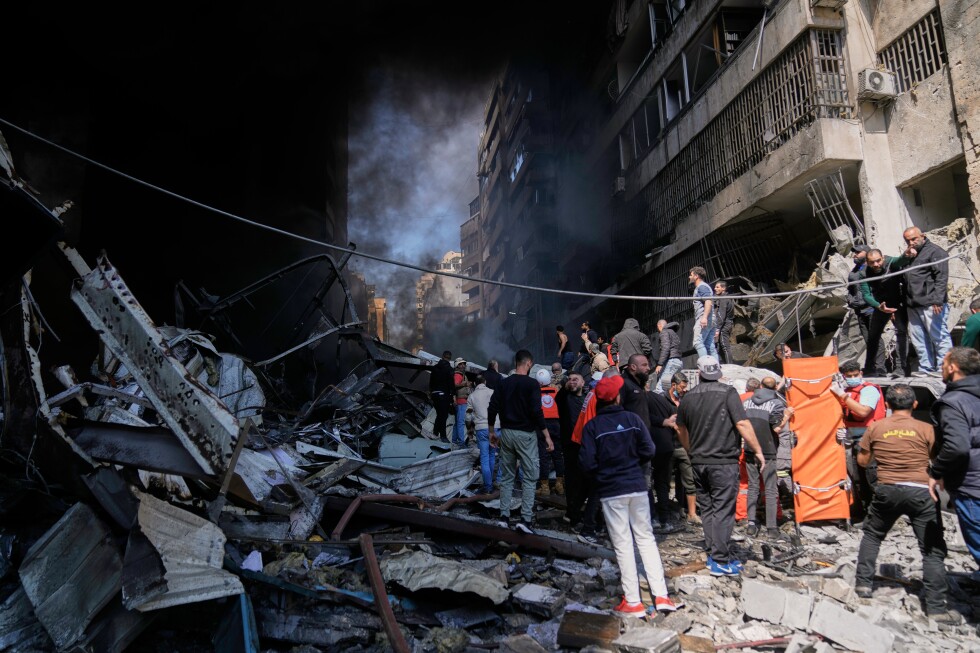
Iran said it has closed the strategic Strait of Hormuz in response to Israeli military actions in Lebanon, according to reports carried by Iranian state media, marking a significant escalation in a region already on edge. Tehran characterized the measure as a direct reaction to the attacks and warned that the closure undermines a fragile ceasefire that had been holding in recent days. The announcement intensifies international concern over the safety of a waterway that serves as a vital artery for global maritime traffic.
The closure was reported by Iranian state media, which presented it as a punitive step following what Iran described as Israeli aggression in Lebanon. Iranian officials framed the move as part of a broader response aimed at deterring further strikes in the region, saying the situation now threatens the ceasefire that had been tenuously limiting hostilities across several fronts.
The international diplomatic response came quickly to the United Nations, where member states sought to address the disruption to commercial navigation through the strait. A draft resolution intended to facilitate the reopening of the waterway was brought before the U.N. Security Council but did not pass after Russia and China exercised their veto powers against a version that had been watered down in an attempt to secure broader support.
The veto by Russia and China underscores deep divisions on the Security Council over how to respond to the crisis. Diplomats said the vetoes reflected differing views on attribution of responsibility and on the means by which the international community should press for de-escalation. The failure to reach a consensus at the U.N. level leaves the issue in diplomatic limbo and reduces the immediate options available to the international community for a coordinated response.
The Strait of Hormuz is one of the world's most important maritime chokepoints. Although specific commercial impacts were not detailed in the initial reports, the closure of the strait raises immediate concerns about disruptions to shipping routes and the wider implications for regional stability. The waterway's significance to international trade and energy supplies makes any closure a matter of global concern, drawing attention from governments, shipping companies and energy markets around the world.
Regional actors and global powers are now grappling with the potential consequences of the closure. Negotiations and diplomatic outreach are likely to intensify as states seek to de-escalate tensions and restore safe passage through the strait. At the same time, the U.N. Security Council's inability to agree on measures to reopen the waterway highlights the challenges of achieving coordinated international action when major powers are divided.
Observers noted that the development could complicate an already volatile security environment in the Middle East, where multiple conflicts and rivalries intersect. The reported threat to a previously held ceasefire raises the risk of broader hostilities if parties fail to return to negotiations or if further retaliatory actions occur. International mediators and regional stakeholders face the urgent task of preventing an expansion of the conflict.
For now, many details remain unclear, including how long Iran intends to keep the strait closed and what specific conditions Tehran would require for reopening it. Diplomats at the United Nations and capitals around the world said they were monitoring the situation closely and preparing contingency plans. Further reporting will be required to trace the implications for maritime traffic, regional diplomacy and the prospects for restoring the ceasefire that parties had been relying on to limit further violence.