Iran and Oman Discuss Temporary Shipping Corridor and Mine Clearance for Strait of Hormuz as Tehran Warns Waterway Won’t Reopen Until U.S. Ends 'War'
Iran and Oman have discussed a phased plan that would create a temporary joint shipping corridor and a joint mine-clearance project to re-establish safe passage through the Strait of Hormuz, officials said. The announcement comes as Tehran warned the vital waterway will remain closed until the United States ends what Iranian officials call a war, while separate regional reports document mounting human-rights and humanitarian crises in Afghanistan and contested deportations from Germany.
By Vanessa Bergmann
931 views
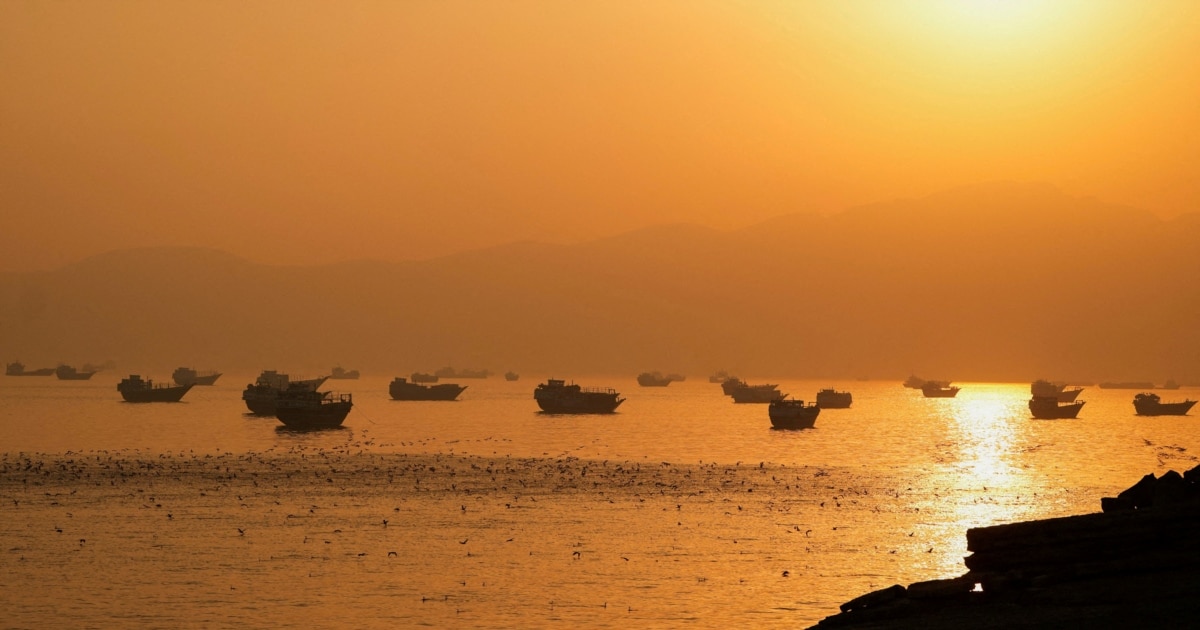
Iran and Oman have held talks on a phased framework to restore secure navigation through the Strait of Hormuz, including the possible establishment of a temporary joint shipping corridor and a cooperative project to clear mines from the waterway, officials said. The proposal was described in a joint statement by the two countries’ foreign ministers and aims to facilitate the “resumption of safe passage” for ships in the strait.
The discussions come amid a stark warning from Tehran. Kazem Gharibabadi, identified in state media as a deputy foreign minister, said on Wednesday that the Strait of Hormuz — described in Iranian reports as a vital waterway — will not be reopened until the United States ends what Iranian officials call a war. He also asserted that no military vessels would be permitted to transit the strait. Gharibabadi told state news agency IRNA that the waterway had been closed prior to what he described as a U.S. economic siege, saying Washington had failed to honor commitments under a memorandum of understanding.
According to the joint statement cited by Iranian and Omani outlets, the phased framework discussed by the two foreign ministers would include creating a temporary, shared maritime corridor and carrying out a project to remove mines from the Strait of Hormuz. The stated aim is to restore safe maritime passage; Pakistani and other international reactions were not reported in the statement.
The report of talks between Tehran and Muscat appears alongside a string of other regional developments with human-rights and security implications. In Afghanistan, UN Children’s Fund officials issued a severe warning about child malnutrition: Tajuddin Oiwale, head of UNICEF in Afghanistan, told a Geneva news conference that “اگر به سرعت اقدام نشود و این کودکان به موقع تداوی نشوند، آنها در معرض خطر مرگ قرار دارند” — saying that roughly one million children are suffering from severe acute malnutrition and face life-threatening conditions without urgent treatment. UNICEF also reported some 3.7 million additional children suffering from malnutrition and wasting.
Human-rights monitoring groups documented other troubling trends under Taliban rule. The Canada-based Organization for Human Rights and Democracy in Afghanistan (EHRDO) reported a marked increase in the use of public flogging as a form of punishment since the Taliban took power, recording 593 instances in 2024 and 1,074 in 2025, with 553 cases registered through April of the current year. UNAMA earlier noted that, while public floggings in the presence of large audiences were not newly reported by Taliban authorities after mid-April, 137 canings had been documented between April 1 and June 30.
Political repression and death-penalty cases in Iran were also highlighted. Sources told Radio Farda that Arghavan Fallahi, arrested during protests, was sentenced to death by Tehran’s Revolutionary Court on charges of “bagaawat” and that Iran’s Supreme Court has reportedly upheld the sentence; Fallahi’s lawyer was reportedly notified of the confirmation last week. Fallahi was detained during post-Mahsa Amini unrest along with other family members; separate reporting in the piece notes that at least 56 people have been executed in Iran this year on charges linked to national-security offenses, including 27 tied to protests.
Security and legal measures in Europe and intelligence activity also featured. German authorities said federal police carried out a chartered deportation flight from Leipzig to Kabul that returned 23 Afghan nationals who were on deportation lists; Berlin’s interior ministry told Agence France-Presse that the individuals returned on Tuesday had been convicted of serious offenses including gang rape, assault and causing grievous bodily harm. German officials say that since the government took office last year, 228 Afghan nationals have been returned to Afghanistan. The forced returns have drawn criticism from migrant-rights activists and some Green Party lawmakers, who say Germany is effectively coordinating deportations with the Taliban despite not recognizing the group as a legitimate government.
U.S.-Russia intelligence contacts drew attention after U.S. officials confirmed to RFE/RL/Radio Free Europe that CIA Director John Ratcliffe made an unannounced trip to Moscow on Tuesday. Officials acknowledged the travel but declined to provide details on whom Ratcliffe met or the issues discussed; both the CIA and the White House had not commented publicly at the time of the report.
Other human-security items in the report included an earthquake in Nangarhar province, Afghanistan, that injured at least 15 people, according to the Taliban-run public health authority in the province; and comments by former U.S. President Donald Trump posted on his platform calling Iran “جمهوری اسلامی در حال فروپاشی ایران، معترضان را حتی زمانیکه در حال اعتراض نیستند، در سطحی بیسابقه به قتل میرساند” and describing the situation as “a humanitarian catastrophe” that must stop.
Taken together, the stories in this dispatch highlight concurrent diplomatic initiatives affecting a strategic international waterway and an array of pressing human-rights and humanitarian crises across the region — from potential mine threats in the Strait of Hormuz to acute child malnutrition and rising corporal punishments in Afghanistan, contested deportations to Afghanistan from Europe, and ongoing legal cases and executions in Iran.