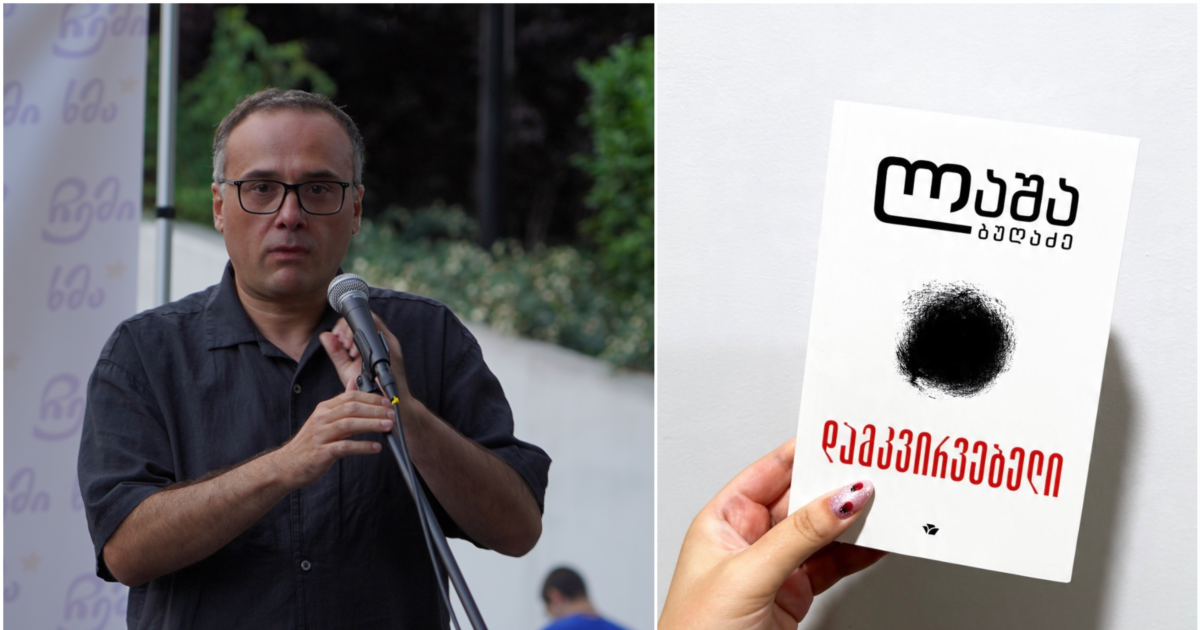
Investigation After Lasha Bughadze's Books Found Defaced at Biblusi Gldani Branch; Publisher Warns of Possible Censorship
Copies of Lasha Bughadze’s recent novel and other books by the author were discovered with phallic drawings on their first pages at a Biblusi bookstore in the Gldani district of Tbilisi. The bookseller says the damaged copies have been removed from sale and an internal inquiry is under way; Bughadze and his publisher warn the incident follows other acts that they view as censorship, including a recent refusal by prison authorities to deliver the same novel to an inmate on political grounds.
By Blake Marriott
1,074 views
Books by prominent Georgian novelist Lasha Bughadze were found deliberately defaced at a branch of the Biblusi bookstore chain in the Gldani neighborhood of Tbilisi, prompting the retailer to remove the affected copies from sale and open an investigation.
A customer, Lika Lazishvili, posted on Facebook that she went into the store intending to buy Bughadze’s latest novel, „დამკვირვებელი“ (The Observer). In her account she said she picked up a copy and — “ზრდადობითი ინსტიქტის” — turned the pages, only to find crude drawings on the first page. She described what she saw in her post: “აღმოვჩნდი „ბიბლუსის“ ერთ-ერთ [გლდანის] ფილიალში, სადაც წავაწყდი საშინელ ფაქტს: კონსულტანტმა მაჩვენა სად იდო [„დამკვირვებელი“], ავიღე ერთ-ერთი. ზოგადად, წიგნებს არ ვამოწმებ, მაგრამ რატომღაც ინსტიქტურად გადავფურცლე და აღმოვაჩინე რომ პირველ გვერდზე ფალოსებია მიხატული კალმით.
დავიბენი და ისევ კონსულტანტს დავუძახე. უცებ, ვერ გავიაზრე რა ხდებოდა, კონსულტანტმა და მე ვნახეთ, რომ ლაშა ბუღაძის ყველა წიგნის პირველ გვერდს - ფალოსები აქვს მიხატული!”
Lazishvili said the store consultant did not allow her to take photographs of the altered copies. Biblusi confirmed that it had identified damaged books on display at the Gldani branch, described the incident as vandalism and said the shop had taken the affected copies off the shelves while it seeks to establish the circumstances.
“ამ ეტაპზე ვარკვევთ მომხდარის გარემოებებს და ვამოწმებთ შესაბამის ინფორმაციას. დაზიანებული წიგნები, რა თქმა უნდა, ამოღებულია გაყიდვიდან,” the bookstore said in a statement, adding only that it was investigating and not specifying whether books by other authors had been targeted.
Author Lasha Bughadze said he learned of the damage from the same Facebook post and tied the episode to a broader pattern of pressure against his work. On his Facebook page he wrote in Georgian: “როცა ჩემი „დამკვირვებელი“ პოლიტიკური მოტივით არ შეაგზავნინეს გიორგი რომელაშვილს სინდისის პატიმარ ნანა სანდერთან, მე დავწერე, რომ შემდეგი ეტაპი იქნებოდა წიგნის მაღაზიები... ჩემს მდუმარე და ზოგადად საქართველოს გარუსების პროცესის სეირის მაყურებლის პოზიციიდან მაცქერალ თანამოქალაქეებსა და კოლეგებს კი ვაფრთხილებ, რომ ეს მარტო ჩემი და ჩემი წიგნის პრობლემა არაა და ცენზორი ყველა სიტყვას მიადგება ადრე თუ გვიან” — a post in which he warned that attempts to block his book’s distribution could spread beyond prisons to public retailers. He also noted that such examples, he said, occur in Vladimir Putin’s Russia.
The publisher of The Observer, Sulakauri, said it feared the bookstore incident “may be a step that encourages censorship” but expressed hope the episode would remain isolated. The novel itself is a sharp portrayal of near-despotic rule in Georgia, a portrayal the publisher says addresses “დესპოტის თითქმის ნახევარსაუკონავი მმართველობის შესახებაა, რომელმაც „ქვეყნისგან მხოლოდ აჩრდილი, ზონებად დანაწევრებული და იდიოტებით დასახლებული ტერიტორია დატოვა“...” — a passage included here as presented by the publisher.
The vandalism at Biblusi follows another controversial development last week: Radio Free Europe/Radio Liberty reported that the Special Penitentiary Service refused to deliver Bughadze’s novel to an inmate, Nona Sander, who is serving a sentence related to the so-called October 4 case. Prison staff reportedly told the sender the book could not be accepted because it was “political.” There is no provision in Georgian penitentiary regulations explicitly banning fictional literature, and RFE/RL said it sought comment from the Justice Ministry and the Penitentiary Service about who decided the book was political and why it was withheld; those questions went unanswered.
The Georgian PEN centre characterized the prison service’s refusal as censorship. Its statement said: “ეს ლიტერატურული ნაწარმოების ცენზურის საგანგაშო შემთხვევაა, რომელიც უკავშირიდება არა მხოლოდ რომანის შინაარსს, არამედ - სრულიად აშკარად - ავტორის პოლიტიკურ და სამოქალაქო პოზიციას.” Civil society groups and defenders of free expression have urged authorities and private retailers to clarify whether the bookstore vandalism was a random criminal act or linked to efforts to intimidate authors and limit access to works with political content.
At present, Biblusi says it is continuing an internal inquiry and has removed the defaced books from sale while the publisher and author have appealed to the public and cultural institutions to treat the incident as a potentially serious threat to literary freedom. The unfolding inquiries — by the bookstore, by publishers and by human rights advocates — will be watched closely for any indication of coordinated pressure on literature and distribution channels in Georgia.