Interior Rescinds Public Lands Rule, Ends Conservation Leasing on Federal Land
The Bureau of Land Management has reversed a 2024 rule that allowed conservation organizations to lease public land for conservation purposes, a move that replaces a voluntary, market-oriented tool with an exclusive reliance on government planning, permitting, and regulation. Supporters of conservation leasing warn the rescission will reduce private investment, discourage cooperation with land users, and increase the politicization and costs of managing public landscapes.
By Jonathan Wood
899 views
The Bureau of Land Management (BLM) has rescinded the Public Lands Rule adopted in 2024 that permitted conservation groups to lease federal land for conservation purposes, eliminating a voluntary, market-oriented tool that proponents say could reduce conflict over public-land uses. The decision, implemented by the Department of the Interior under the current administration, removes the possibility that private organizations might lease parcels of public land much as ranchers, energy companies, and other users do today.
The Public Lands Rule had been designed to place conservation on an equal footing with other permitted uses of public land, offering conservation groups an alternative to lobbying and litigation. Supporters framed the approach as a way to promote collaboration: one administration official told Congress that the "key to the success" of the program would be conservation groups paying ranchers and other public-land users for voluntary stewardship. That model, advocates said, would incentivize compromise and provide a direct financial stake in achieving conservation outcomes.
Proponents point to examples of voluntary conservation on private land to illustrate how conservation leasing might operate on public land. In West Virginia, Trout Unlimited has restored stream habitat and purchased easements from willing landowners. In the Southeast, The Nature Conservancy and the American Forest Foundation run programs that pay family forest owners for conservation practices including carbon sequestration. In the Greater Yellowstone Ecosystem, the Ricketts Conservation Foundation and the Property and Environment Research Center (PERC) have worked with ranchers to replace miles of barbed wire with so-called "virtual fences" that improve cattle management and remove barriers to wildlife migration.
In rescinding the rule, BLM officials concluded that government planning, environmental reviews, and regulation are sufficient to protect public-land values, and that private competition and complementary approaches are unnecessary. The agency's reversal effectively declares that conservation on federal land will be channeled exclusively through government processes rather than through voluntary, market-based leases.
Critics of the rescission say the practical consequences are predictable: insulating conservation decisions from market signals and private competition tends to produce poorer service, higher costs, and heightened political gamesmanship. They point to long-standing critiques of government monopolies in other sectors—such as mail service, education, and health care—arguing that when the state is the sole provider and competitor is restricted, outcomes and incentives suffer.
Those critics also invoke the economic argument about dispersed knowledge. They contend that government planners and agency directors cannot possess the detailed, constantly changing information about local values and trade-offs necessary to allocate land uses optimally across roughly 245 million acres that BLM oversees. According to this perspective, prices and voluntary transactions are the mechanisms that reveal how much different stakeholders value particular uses, enabling more efficient and responsive allocation than centralized planning can achieve.
Accountability and durability are additional concerns raised by opponents of the rescission. When private conservation groups invest their own funds in on-the-ground work—such as removing invasive species, conducting prescribed burns, or restoring habitat—they have a direct financial stake in cost-effective outcomes. Federal bureaucracies, by contrast, may face weaker incentives, and mistakes or mismanaged projects often impose costs on the public rather than on agency decisionmakers. Advocates also warn that political pressure can abruptly alter agency commitments: they cite a recent BLM decision that upended a 20-year bison restoration program by changing the agency's interpretation of an older law.
Finally, critics argue that exclusive reliance on politics to allocate conservation creates incentives for rent-seeking and exaggeration. If outcomes hinge on political persuasion rather than market consequences, both industry and conservation advocates may have incentives to overstate costs or risks to sway policymakers. Market mechanisms, proponents say, force parties to "put their money where their mouths are," creating incentives to seek compromise where mutually beneficial deals are possible.
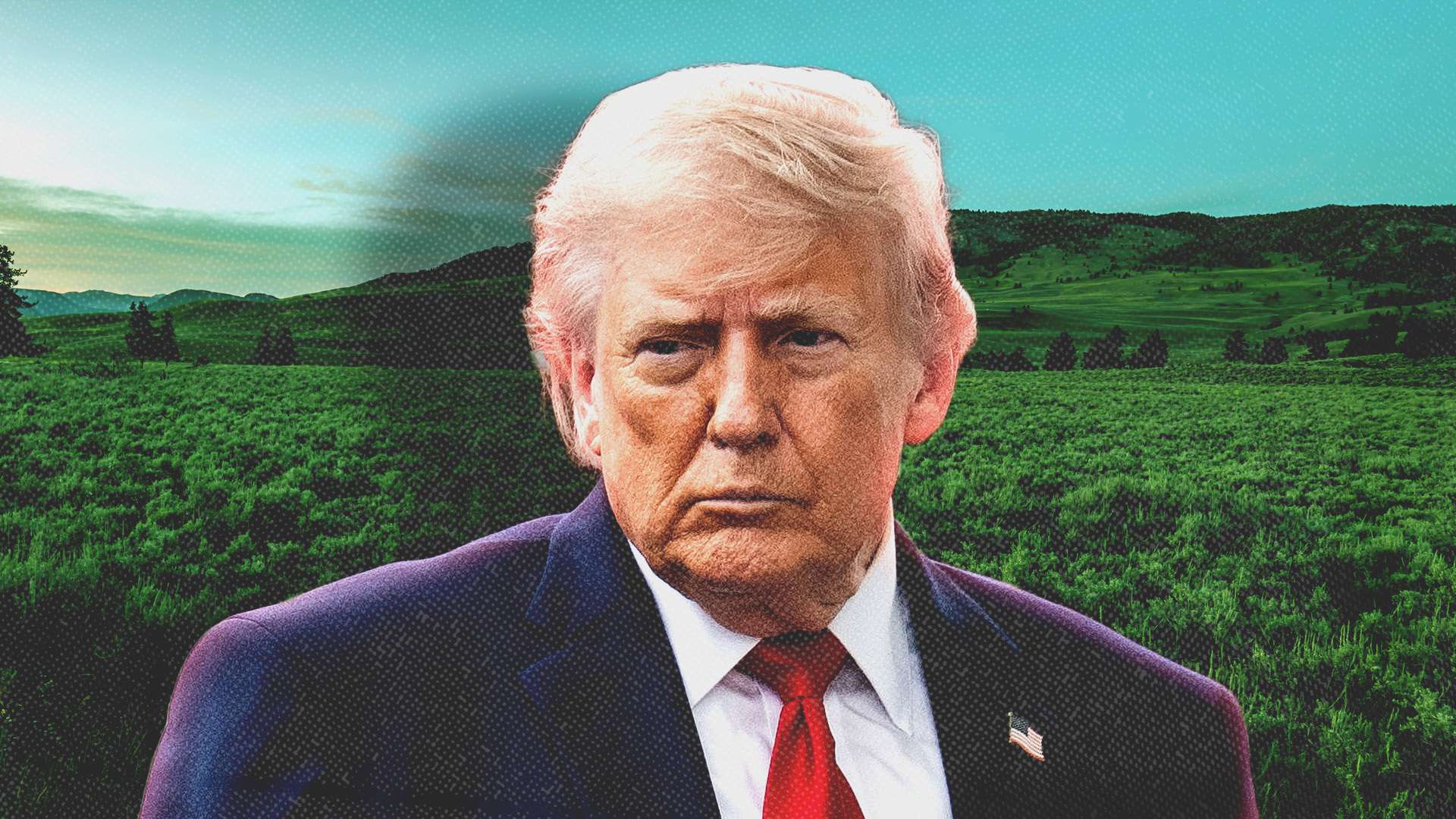
Observers have also noted a perceived inconsistency between the rescission and the administration's own public statements. President Trump signed the Make America Beautiful Again executive order last July, which articulates an environmental vision "to prioritize responsible conservation, restore our lands and waters, and protect" outdoor recreation. The order specifically called for policies that "encourage responsible, voluntary conservation efforts" and "cut bureaucratic delays that hinder effective environmental management." Critics of the BLM action say the decision to end conservation leasing contradicts those stated objectives by favoring a top-down regulatory approach over voluntary private stewardship.
With the Public Lands Rule now rescinded, conservation groups and other stakeholders must weigh their options in a policy environment that emphasizes regulatory processes and agency-led management. The debate highlights broader tensions in U.S. land-management policy over the role of government regulation versus private, voluntary approaches to achieving environmental ends on public landscapes.