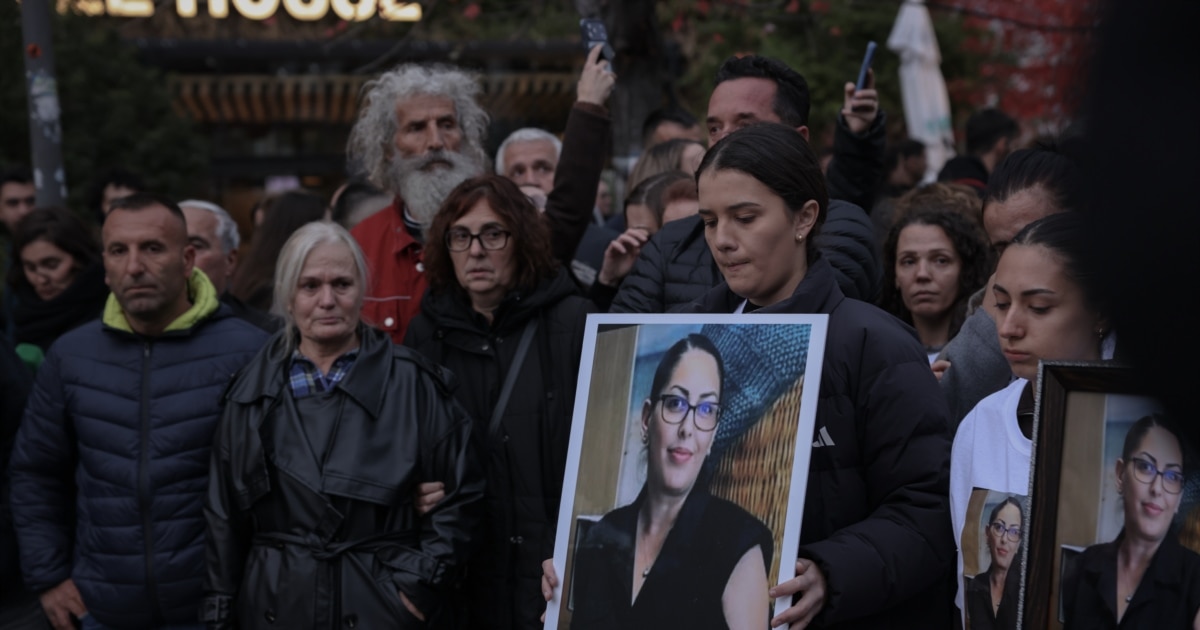
Inspection Finds Peja Social Work Center Neglected Case of Murdered Woman; Disciplinary Measures Recommended
A ministry inspection has concluded that the Center for Social Work (QPS) in Peja failed to meet several obligations in managing the case of 49-year-old Arlinda Zekaj, who was killed on October 25. The report recommends disciplinary action against local social services managers and calls for additional professional staff, even as the QPS says it carried out protective measures and will address administrative shortcomings.
By Alexander Walter
1,093 views
A ministry inspection into the handling of the case of 49-year-old Arlinda Zekaj has found that the Center for Social Work (QPS) in Peja did not fulfil several of its duties while managing her case, and recommended disciplinary measures against local managers. The report, published on November 14 by the Inspection Division of the Ministry for Work, Family and the Values of the Liberation War, identifies procedural lapses that the ministry says put at risk the protection of women who are victims of violence.
Zekaj, who had repeatedly told institutions she feared for her life, was shot and killed on October 25 in the village of Vitomiriq, near Peja. Prosecutors and police have arrested her alleged killer, identified as her former brother-in-law, Albert Sylaj, who is being held in pre-trial detention. Zekaj had appealed to institutions for protection days before she was killed: on October 22 she directly approached the chief prosecutor in Peja, Lumturije Vuçetaj, raising concerns about inaction by authorities and non-implementation of a court decision.
According to the ministry’s inspection report, the QPS in Peja missed a judicial deadline to submit a requested document within seven days, failed to carry out required monitoring of the case, and did not follow standard procedures for case management. The report specifically notes that a case manager, identified only by initials T.G., did not appear at a court hearing and did not provide an explanation for the absence. Other shortcomings cited include incomplete forms documenting contacts and work on the case, the absence of an individualized service plan for the client, and lack of supervisory oversight of the case manager by the head of social services, referred to as D.K.
The Inspection Division recommended that the mayor of the Peja municipality take disciplinary measures against the case manager and the head of the social services unit. The report also calls for increasing the number of professional staff at the Peja Center for Social Work, saying the current number of employees is insufficient to cover the caseload and territory under the center’s responsibility.
The findings come amid broader institutional scrutiny following Zekaj’s killing. In the immediate aftermath, the Kosovo Police announced suspensions and investigations: on October 29, the police said 11 police officers were suspended following recommendations from the Kosovo Police Inspectorate. On October 30, the Ministry of Justice published preliminary findings that also identified institutional gaps, and the Assembly of Kosovo subsequently formed a parliamentary investigative committee to examine the actions and omissions of responsible institutions in the case.
The QPS in Peja has disputed parts of the inspection’s findings, saying in a public statement that it undertook a series of professional actions while handling Zekaj’s case. The center said it conducted field visits, assessed family circumstances, and cooperated with educational and health institutions. It added that, at the request of Peja police, it arranged for a social worker to provide round-the-clock custodial attention, engaged in conversations with parents and family members, and collected socio-economic information about the household.
On judicial matters, the QPS said it participated in hearings at the Basic Court in Peja, submitted professional reports, and provided assessments through the guardianship authority regarding the condition and needs of any child involved. Following Zekaj’s death, the center said it took urgent steps to place a child in a safe environment and, together with the police and prosecution, ensured appointment of a legal guardian.
While the QPS maintained that many professional measures were taken, it said it accepts the inspection’s recommendations and sees them as matters requiring administrative, organizational and procedural improvement. The center also reiterated calls for more professional staff and clearer delineation of responsibilities between the Center for Social Work and the Directorate for Social Welfare.
Advocates and rights monitors say the case underscores persistent weaknesses in institutional responses to threats against women, particularly those who formally seek protection. The ministry report, the police suspensions and the parliamentary probe reflect mounting pressure on Kosovo’s institutions to improve coordination, accountability and resources for protecting victims of domestic and gender-based violence. Investigations into the actions and omissions of officials across the involved institutions remain ongoing.