ICE Expands Warehouse Detention Network as Deaths in Custody Mount, Advocates Say Many Were Preventable
Immigration and Customs Enforcement is converting warehouses into detention centers under a sweeping plan that would dramatically increase capacity to tens of thousands, even as deaths in ICE custody have risen to record levels. Civil rights groups and local officials say the expansion compounds a system marked by substandard medical care, avoidable fatalities, and punitive conditions designed to deter migrants.
By Haddy Gassama
1,045 views
Immigration and Customs Enforcement is steadily expanding a network of detention facilities built inside repurposed warehouses even as the number of deaths in federal immigration custody rises. ICE recently reported the 17th death in its custody so far in 2026, a trend advocates say now amounts to roughly one death every six days. Since the start of President Donald Trump’s mass deportation campaign, more than 40 people have died while detained, the highest toll recorded in a comparably short period.
Advocates, medical experts, and rights organizations characterize many of these deaths as preventable and symptomatic of systemic failures. Recent fatalities span multiple facilities — including Fort Bliss, the Florence Correctional Center, and the Adelanto ICE Processing Center — and are attributed to causes such as homicide, untreated infections, and delayed emergency care. In several documented cases, detainees exhibiting escalating symptoms were given only minimal treatment until their conditions deteriorated catastrophically; one man with a severe tooth infection reportedly received only ibuprofen until he developed septic shock.
That case, involving Emmanuel Damas, a 56-year-old Haitian immigrant who entered the United States in 2024 through a now-terminated parole program, drew particular scrutiny. Advocates say Damas repeatedly sought care for a worsening tooth infection over the course of a week and that inadequate treatment contributed to his death. The American Civil Liberties Union and partner organizations have repeatedly documented substandard medical care and routine withholding or delays in medical records inside ICE facilities, arguing these practices amount to neglect and contribute directly to mortality.
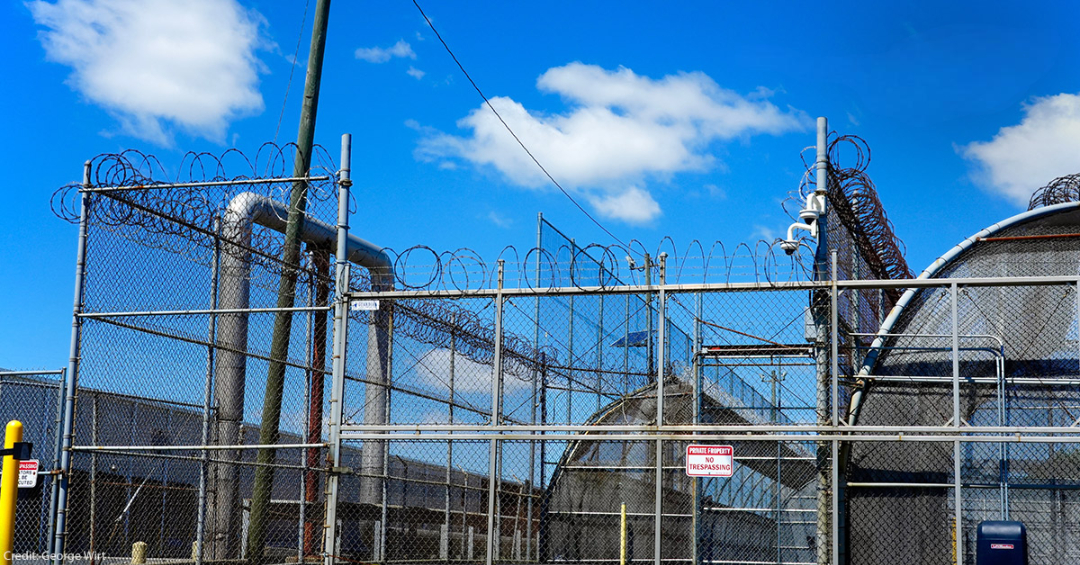
At the same time, ICE is moving forward with a sweeping Detention Re-engineering Initiative to acquire and retrofit warehouses as detention hubs. The agency has reportedly targeted more than 20 warehouses for conversion and has already purchased at least ten, with several under development as large-scale holding sites. ICE’s proposed “hub-and-spoke” model would create eight large detention centers supported by multiple processing sites and, if fully implemented, could raise detention capacity to approximately 96,600 people at any given time. Individual facilities being planned range from 500-bed processing centers to compounds designed to hold as many as 10,000 people.
The proposed designs have alarmed advocates. Floorplans released for some sites show layouts more akin to industrial storage operations than humane living spaces: rows of bunk beds under constant surveillance, little outdoor space, and severely limited access to legal counsel and immigration courts. Rights groups contend the conditions are intended as deterrence, backed by policy shifts that make bond harder to obtain and thereby keep people detained for longer or foreclose meaningful paths to release. For vulnerable detainees, the consequences can be acute: Rodney Taylor, a double amputee held at the Stewart Detention Center, has reported being unable to reliably charge his prosthetic legs, forced to crawl to use contaminated showers, and left without meaningful mobility for days.
The financial and contractual footprint of this expansion has drawn criticism as well. ICE has paid prices that advocates say exceed market value for some purchases — a Maryland warehouse appraised at $76.8 million was sold to the federal government for $102.4 million in January — and federal contracts include a $113 million retrofit award to a defense contractor with no prior immigration enforcement experience. Rights organizations warn that tens of billions in federal relief funds earmarked for the response are being diverted into detention infrastructure rather than housing, health care, or education.
Local communities, state officials, and advocacy groups have mobilized to resist the conversions. City officials in Social Circle, Georgia, shut off the water supply to a proposed site until ICE provided details about impacts on the town’s limited infrastructure. The states of Maryland, New Jersey, and Michigan have filed lawsuits seeking to block warehouse conversions; in Maryland a federal judge temporarily halted a project over concerns that local sewage systems could not handle hundreds of additional people. In Merrimack, New Hampshire, state and local pushback, combined with tens of thousands of public responses and town meetings, culminated in Governor Kelly Ayotte announcing the Merrimack facility would not move forward.
Facing mounting legal and public pressure, the Department of Homeland Security recently announced a pause on purchasing additional warehouses. However, ICE facilities already acquired remain subject to conversion, and DHS acknowledged the pause could be temporary. The expansion debate is unfolding alongside significant federal budget discussions: in recent sessions Congress provided more than $170 billion for immigration enforcement, and reconciliation proposals have included additional billions for ICE and Border Patrol — moves that civil liberties organizations say would entrench and expand a system that has already produced documented abuses and loss of life.
Civil rights groups, including the ACLU, are urging Congress to withhold further funding for the agencies until meaningful reforms are enacted. In a June 2026 statement reacting to legislative action to add $70 billion in enforcement funding, ACLU senior policy counsel Kate Voigt said, “Once again, President Trump’s allies in Congress are bypassing normal Congressional procedures to strong-arm billions more in taxpayer dollars to fuel ICE and Border Patrol’s assault on our communities. Instead of passing commonsense reforms to rein in ICE abuses or funding programs that would actually help American families, the Senate is choosing to add $70 billion to ICE and Border Patrol’s already bloated budget. Make no mistake: a vote in favor of more ICE and Border Patrol funding is a vote to prioritize President Trump’s cruel mass deportation agenda. We now call on our House Representatives to hold the line and say no to any more funding for these abusive agencies that have killed and attacked our neighbors, demanded people show their papers based on the color of their skin, and tear thousands of families apart. The safety of our communities and our freedom depend on it.”
As litigation, local ordinances, and public protest continue, the future of the warehouse detention plan remains uncertain. Advocates say the combination of rising deaths, documented medical neglect, potential fiscal waste, and the prospect of mass detention facilities with limited oversight makes the issue an urgent national concern that Congress, federal agencies, and local communities cannot ignore.