Human remains found in North Mitrovica cemetery; authorities suspect they may be Kosovo war victims
Authorities in Kosovo say human remains uncovered on October 27 in a cemetery in North Mitrovica may belong to victims of the 1998–1999 conflict. The remains have been sent for forensic and DNA testing, and investigators say the site could remain of interest for further excavations as part of efforts to clarify the fate of persons who disappeared during the war.
By Clémence Desjardins
964 views
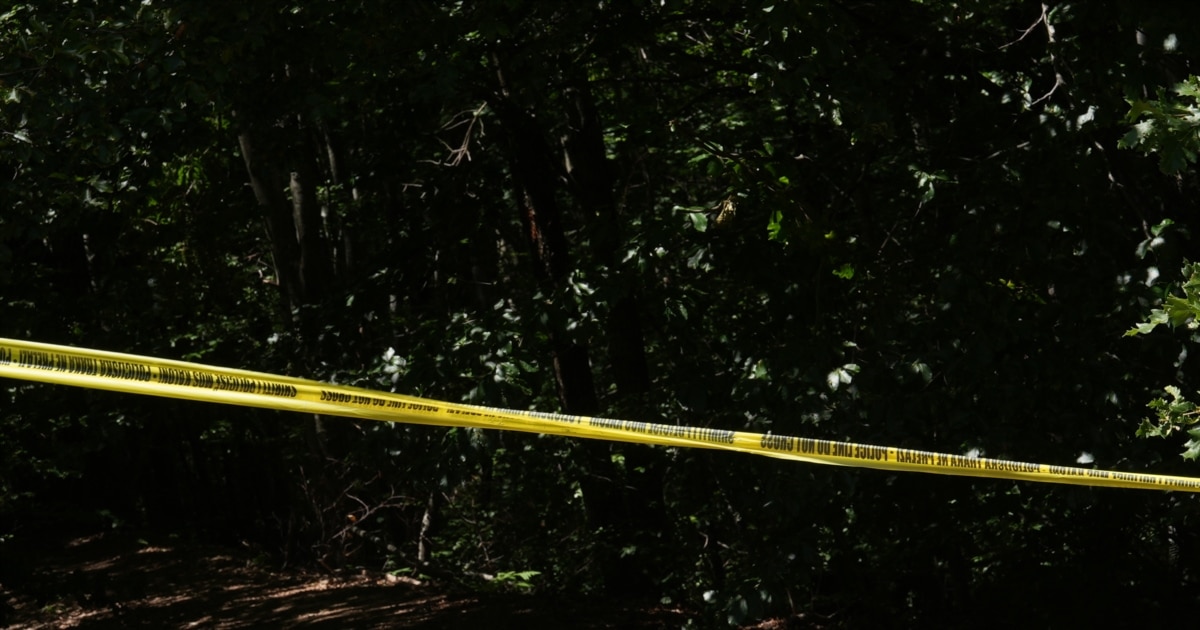
Human remains discovered on October 27 in a cemetery in North Mitrovica are being examined by Kosovo authorities who said the remains may belong to victims of the 1998–1999 war in Kosovo. The bones were found during evaluation excavations inside the grounds of a Muslim cemetery, investigators said, and were transferred to the Institute of Forensic Medicine for detailed forensic analyses, including DNA testing aimed at establishing identity.
Agron Limani, head of Kosovo’s Governmental Commission for Missing Persons (Komisioni Qeveritar për Persona të Zhdukur), told Radio Free Europe/Radio Liberty that the work on the site is a continuation of earlier excavations carried out on October 20. Limani said the results of the forensic examinations will determine whether the location remains of continuing investigative interest. "Depending on the results of the forensic examinations, we consider that the location will remain of interest for further verification and action within the process of clarifying the fate and whereabouts of persons who disappeared violently during the war in Kosovo," he said.
The discovery in North Mitrovica follows recent grave finds in nearby Zubin Potok, where authorities uncovered three mass graves containing the remains of at least 23 people. So far, three victims from those graves have been identified and were said to belong to what has been referred to as the "Group of Intellectuals" — a group of Albanian activists, professionals and public figures from the Mitrovica area who disappeared in the Zubin Potok area on April 19, 1999.
Kosovo authorities have arrested several people in connection with killings linked to the Group of Intellectuals, the government said. The identities of those arrested and details of the charges were not provided in the statement cited by the broadcaster, but the arrests signal that forensic findings are feeding into ongoing criminal probes tied to wartime disappearances and killings.
Kosovo’s Institute for Crimes Committed During the War in Kosovo reports that 1,577 people remain officially missing from the conflict that took place between 1998 and 1999. The institute has documented a total of 12,230 war victims overall. The continued discovery of remains underscores both the scale of unresolved cases from the war and the challenges families face in obtaining answers about the fate of loved ones.
Forensic identification — particularly DNA analysis — is crucial in such cases because it can provide definitive confirmation of identity, allow families to bury loved ones with certainty, and produce evidence that may be used in criminal proceedings. Authorities said the remains found in North Mitrovica will undergo standard forensic procedures to determine age, sex, cause of death where possible, and to seek DNA matches with relatives of missing persons.
The investigations in Mitrovica and Zubin Potok are part of broader, long-term efforts by Kosovo and international partners to locate, exhume and identify the remains of those who went missing during the conflict. Advocacy groups and families of the missing have repeatedly called for accelerated searches and transparent, systematic forensic work. While forensic science has solved many cases in recent years, the work remains painstaking and resource-intensive, with new discoveries often opening further lines of inquiry.
The recent finds have renewed hope among families seeking closure and added momentum to judicial and investigative work related to wartime abuses. Authorities have indicated they will continue excavations and forensic testing as warranted by results, while relatives and civil-society groups await further information and formal identifications that could bring long-sought answers and support ongoing efforts for accountability.