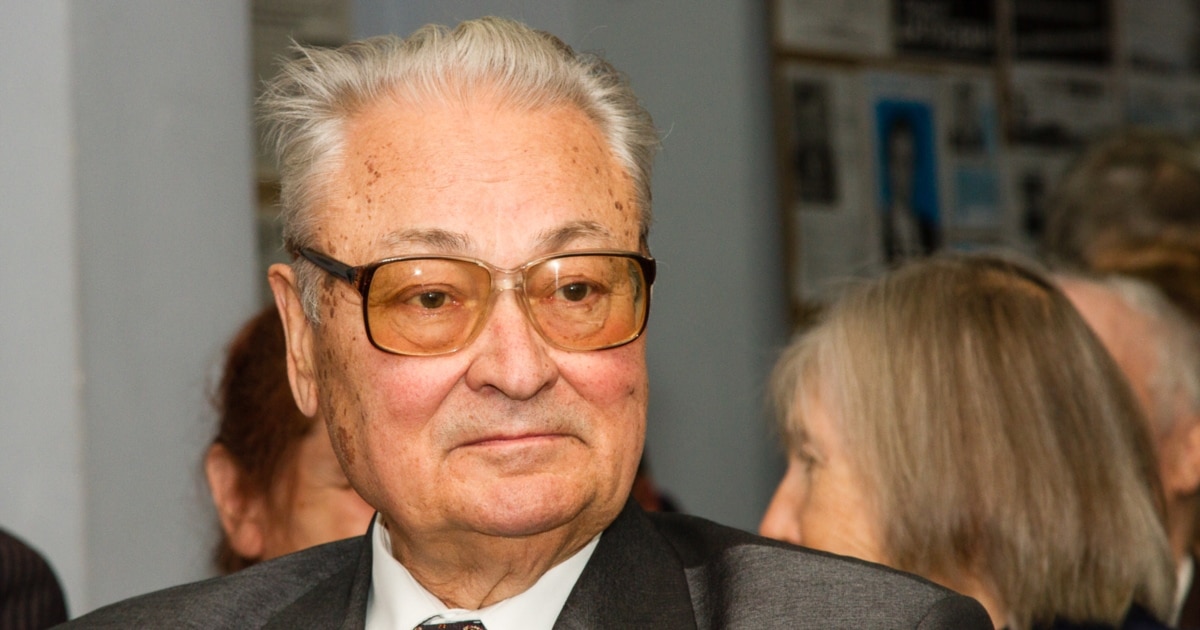
Henadz Buraukin at 90: Poet, Media Leader and UN Representative Who Shaped Belarusian Language and Broadcasting
August 28 marks the 90th anniversary of the birth of Henadz Buraukin (1936–2014), a leading Belarusian poet and an influential figure in the country’s media and political life. Over several decades he led cultural publications and state broadcasting bodies, served as a deputy who pushed for language legislation in 1990, and represented Belarus at the United Nations during the early post-Soviet period.
By Alexander Walter
1,101 views
August 28 marks the 90th anniversary of the birth of Henadz Buraukin, a prominent Belarusian poet, cultural figure, media executive and diplomat whose career intersected with the country’s debates over language, culture and broadcasting during the late Soviet and early independence periods. Born on 28 August 1936, Buraukin became a familiar public figure in Belarus through his work in journalism, state media administration and later diplomatic service.
Buraukin worked across Belarusian media for much of his career. He served as the editor-in-chief of the literary and cultural magazine «Маладосць», and in 1978 he was appointed chairman of the State Committee of the Belarusian SSR for Television and Radio Broadcasting (Дзяржаўны камітэт Беларускай ССР па тэлебачаньні і радыёвяшчаньні). In these roles he occupied influential positions within the country’s media infrastructure, overseeing publications and broadcast channels that shaped cultural life and public discourse.
In January 1990, as political dynamics shifted across the Soviet Union, Buraukin was among the deputies in the Supreme Soviet of the 11th convocation who advocated for adoption of a Law on Languages. That initiative placed him at the center of debates over language policy and cultural rights at a pivotal moment for Belarusian public life. The language question was a significant element of broader discussions on national identity, access to public information and the cultural rights of Belarusians.
From 1990 to 1994 Buraukin served as the permanent representative of Belarus to the United Nations. He took up that diplomatic post first as a representative of the Belarusian SSR and continued in the role after the proclamation of the independence of the Republic of Belarus. His tenure at the UN spanned the transition from Soviet republic to sovereign state, a period when Belarus was establishing its international presence and navigating the diplomatic dimensions of independence.
After returning from diplomatic service, Buraukin served as deputy minister of culture and printing between 1994 and 1995. He later worked at the magazine «Вожык» from 1995 to 2001. Across these positions he remained an active figure in cultural institutions that oversee literature, publishing and public media.
Beyond his roles in administration and diplomacy, Buraukin was an accomplished writer. He authored more than twenty books of poetry and was a laureate of the Yanka Kupala State Prize. His poems have been set to music on numerous occasions; among these musical adaptations, the song «Калыханка» is widely known and remains associated with his literary legacy.
Henadz Buraukin died on 30 May 2014. His life and career reflect the close links in Belarus between literary culture, state media and the politics of language and identity. The anniversary of his birth is noted alongside other historical entries for the date, including reminders of challenges to free expression and the unresolved cases of journalists: the site’s calendar of events for 28 August also lists the birth of Zmitser Zavadski, a Belarusian journalist and television operator born in 1972 who was forcibly disappeared in 2000.
Buraukin’s legacy prompts reflection on the role of cultural figures who moved between literary work and positions in state media and government—roles that have direct implications for access to cultural expression, the governance of broadcasting and language policy. As Belarus continues to contend with pressures on media freedom and debates over cultural rights, the biography of figures like Buraukin offers a window into earlier chapters of the country’s public life where literature, journalism and state institutions intersected.