
Hantavirus outbreak tied to cruise ship grows to 11 cases; French passenger critically ill on artificial lung
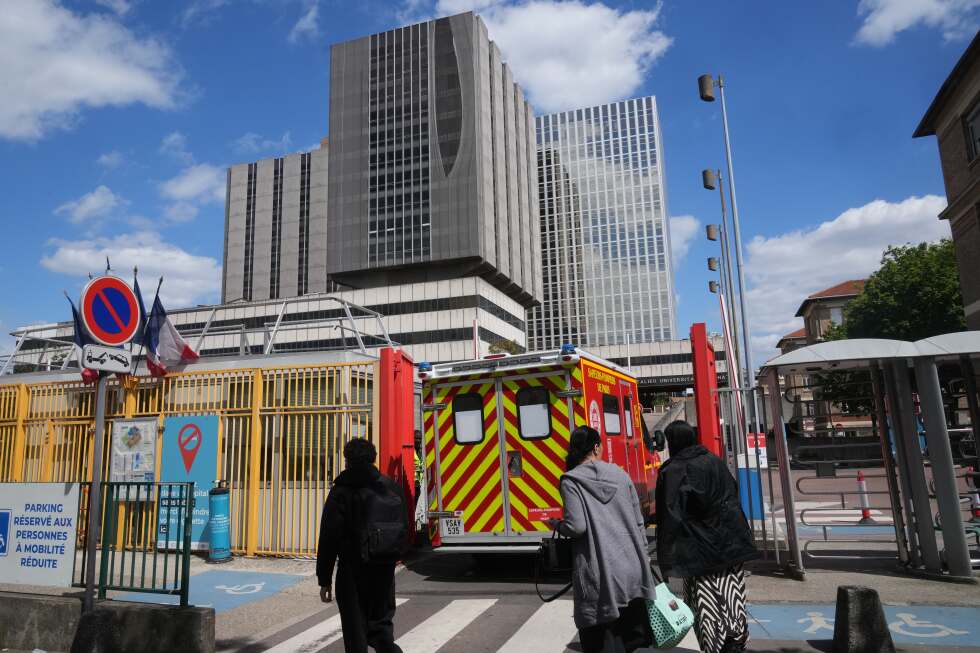
A hantavirus outbreak linked to the Dutch expedition cruise ship MV Hondius grew to 11 reported cases — nine of them laboratory-confirmed — with three passengers dead and an elderly French woman in critical condition at a Paris hospital, where doctors said she was being sustained by an artificial lung. The infection has been identified as the Andes virus, a rare and unusually dangerous member of the hantavirus family normally found in the Andean regions of Argentina and Chile, and the cluster represents the first known hantavirus outbreak aboard a cruise ship — a development that international health authorities are treating with urgency even as they stress that the risk to the general public remains low.
The voyage at the center of the outbreak began on April 1, 2026, when the MV Hondius departed Ushuaia, Argentina — the world's southernmost city — carrying roughly 147 people, about 86 passengers and 61 crew, drawn from 23 different countries. The ship followed a remote South Atlantic itinerary with stops that included Antarctica, South Georgia, Tristan da Cunha, Saint Helena, and Ascension Island, leaving it far from substantial medical infrastructure as illness began to spread. The Netherlands first notified European health authorities of a cluster of severe respiratory illness aboard the vessel on May 2, at which point two deaths had already occurred and one passenger was gravely ill. Gene sequencing identified the Andes virus within days, and on May 6 the World Health Organization confirmed it as the cause.
Investigators believe the outbreak most likely originated with a Dutch couple who are thought to have been the first infected. The husband and wife, both in their late sixties or early seventies, had spent time traveling in Argentina and neighboring South American countries — crossing the Argentine-Chilean border multiple times in the months before the cruise and likely visiting Patagonia, where the Andes virus is endemic in wild rodent populations — before they boarded the ship. Both later died. Argentine officials said the couple had taken a bird-watching tour that included a stop at a garbage dump, where they may have encountered rodents carrying the virus, and the country's health ministry said it would investigate the landfill and other sites the couple visited; local officials in the departure province have disputed that the infection originated there, noting that no cases of the virus have historically been recorded in the Tierra del Fuego region around Ushuaia. The precise chain of transmission aboard the ship remains unclear, though the Andes virus is notable as one of the few hantaviruses capable of limited person-to-person spread, and that mechanism has been at least partly implicated in how the illness moved among those on board.
Hantaviruses are ordinarily transmitted to humans not between people but through contact with infected rodents — typically by inhaling dust contaminated with particles from rodent urine, droppings, or saliva, and less commonly through bites. That makes a maritime outbreak genuinely unusual; hantavirus is not a pathogen normally associated with cruise ships, in contrast to norovirus or foodborne illness. The disease is rare even on land — the United States recorded only about 890 confirmed cases between 1993 and 2023 — but it is frequently severe. Symptoms, which can include fever, chills, and muscle aches before progressing in serious cases to pneumonia, acute respiratory distress, and shock, may appear anywhere from one to roughly seven or eight weeks after exposure. That long incubation period is central to why authorities expect additional cases to surface among returning passengers and crew in the weeks ahead.
The logistics of getting sick passengers off the ship and into care became a diplomatic and medical challenge in their own right. With illness mounting, the Hondius was anchored off Cape Verde in early May, but that country was deemed unable to handle the medical emergency, and the vessel was directed onward. Spain ultimately approved a plan for the ship to dock at Tenerife in the Canary Islands — over the objections of the Canary Islands' regional president — with the national government citing a moral and legal obligation to the passengers. Passengers disembarked there under strict hazardous-materials protocols, with some Spanish citizens and symptomatic travelers quarantined at a military facility near Madrid and asymptomatic foreign nationals repatriated to their home countries. Several critically ill patients were medically evacuated separately, including to South Africa, Switzerland, and the Netherlands; among those flown to the Netherlands were a British national, a Dutch national, and a German, one of whom was the ship's doctor. With passengers and most crew evacuated, the Hondius itself sailed on to Rotterdam, where it docked for cleaning and disinfection — workers boarding in white protective suits — wrapping up a troubled journey that had put health agencies across multiple continents on alert.
The global response drew in the WHO, the European Centre for Disease Prevention and Control, and the U.S. Centers for Disease Control and Prevention, along with the national health authorities of the many countries whose citizens were aboard. WHO Director-General Tedros Adhanom Ghebreyesus, who traveled to oversee aspects of the evacuation, emphasized that confirmed and suspected cases had been limited to the ship's passengers and crew. "At the moment, there is no sign that we are seeing the start of a larger outbreak," he said, while cautioning that the long incubation period meant more cases could emerge. WHO officials urged returning passengers to remain in quarantine — at home or in dedicated facilities — for 42 days, while acknowledging that the organization cannot enforce such guidance and that individual countries would handle monitoring differently. The agency repeatedly stressed that the risk to the global population is low; as Maria Van Kerkhove, the WHO's chief of epidemic and pandemic preparedness, put it, "This is not the next COVID, but it is a serious infectious disease."
In the United States, the response became a flashpoint over public health coordination and readiness. The CDC, which issued a Health Alert Network advisory to clinicians, classified its response at a relatively low emergency level and said no cases had been confirmed in the country, with the risk to Americans deemed extremely low. American passengers — fewer than two dozen, none initially symptomatic — were routed to the National Quarantine Unit at the University of Nebraska Medical Center, a federally funded facility, for assessment before a planned 42-day monitoring period. But the handling quickly drew complaints: officials had initially signaled that passengers could complete monitoring at home under local supervision, only to shift course and order at least some to remain in Nebraska through the end of May after new cases were confirmed among passengers from other countries. Several Americans said they felt "blindsided" and "misled," and described confusion in which their local health departments — and even CDC staff working with them — appeared unaware of the changing strategy. The episode fed broader criticism from some infectious disease and public health experts that the CDC had taken a back seat to the WHO and international partners in managing the event, a charge agency officials rejected, insisting they had been "engaged at every step" and coordinating closely with state, federal, and international authorities from the outset.
Public health teams across the affected countries have continued tracing potential exposures, identifying close contacts, and instructing passengers and crew to watch for symptoms and seek prompt medical care, with early recognition and intensive supportive care understood to be critical for those who develop severe disease. Reassuringly, France's Pasteur Institute reported that it had fully sequenced the virus from a French patient and found it matched strains already known in South America, with no evidence of mutations that would make it more transmissible or more dangerous. The cruise operator, for its part, said it did not foresee changes to its operations. The appearance of multiple hantavirus cases tied to a single voyage remains an unusual and serious event, and one that — given the virus's weeks-long incubation window and the dispersal of those exposed across many countries — health authorities expect to continue monitoring well into the coming weeks.