GOP Lawmakers Complain Transgender Bills Have Stalled as Midterms Near, Despite Dozens of Proposals
Republican lawmakers say they have introduced dozens of bills aimed at restricting transgender rights but that many key measures have not become law as midterm elections approach. Members pointed to stalled standalone bills, Senate blockages and reliance on executive actions or larger packages for partial measures as evidence that Congress has not fully delivered on the party’s 2024 platform promises.
By Christopher Manley
853 views
Republican lawmakers are voicing mounting frustration that dozens of transgender-related bills introduced in recent sessions of Congress have not translated into new laws, even as the midterm elections approach. According to tracking by Trans Legislation Tracker, lawmakers have introduced 127 bills in 2026 seeking limits on transgender policies, including measures to bar men from competing in women’s sports, reinforce parental rights, and prohibit gender-affirming medical procedures for minors.
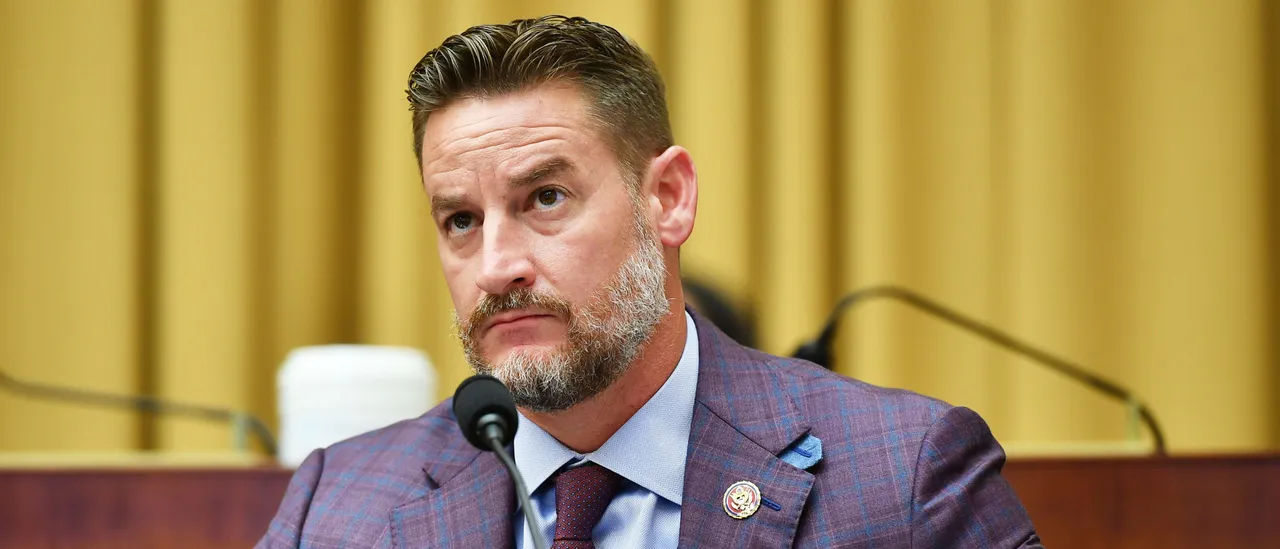
Several high-profile Republican members said leadership has failed to turn campaign promises into statute. Florida Rep. Greg Steube, who sponsored the Protection of Women and Girls in Sports Act of 2025, told the Daily Caller News Foundation that the Senate has not acted on his bill even though the House passed it on Jan. 14, 2025. “Senate Republicans keep talking about protecting women and girls, but under Leader Thune, commonsense bills like my legislation to keep biological men out of women’s sports are stalled,” Steube said, urging Senate Majority Leader John Thune to consider procedural changes, including ending the filibuster, to advance the measures.
South Carolina Rep. Nancy Mace expressed similar exasperation with House leadership over a separate measure she sponsored, the Stop the Invasion of Women’s Spaces Act. Her bill would cut federal funding to public places that allow trans-identifying individuals to use single-sex bathrooms or locker rooms. “Our legislation to cut off federal funding to any agency allowing men into women’s bathrooms has not received a floor vote. This is exactly what happens: bills get introduced, then go dark. Leadership controls what comes to the floor and these bills are not making the cut,” Mace said. She added, “Keeping mentally ill men out of women's spaces is common sense. There is no good reason this bill is not law yet. This should not be a hard vote.” Mace has also pushed measures at the state level and proposed rules for congressional facilities tied to those positions.
House Republican leaders defended their record by pointing to legislation that has moved through the chamber and to provisions enacted in larger packages. In a statement to the DCNF, Speaker Mike Johnson’s office highlighted bills the House passed this session, including the Protection of Women and Girls in Sports Act, the Stopping Indoctrination and Protecting Kids Act (passed May 20), and the Protect Children's Innocence Act, originally introduced by former Rep. Marjorie Taylor Greene. Lawmakers also included a provision in the FY2025 National Defense Authorization Act banning transgender therapy for minor dependents through TRICARE and the Working Families Tax Cuts package that barred Medicaid funding for transgender surgeries.
Despite House action, several standalone bills have stalled in the Senate or been blocked along party lines. Republican Sen. Tommy Tuberville introduced the Senate version of the sports bill, which was blocked in March 2025 when all Senate Democrats voted against it. Missouri Sen. Josh Hawley, a sponsor of related measures who has campaigned against what he calls a “radical trans agenda,” told media outlets he is baffled that leadership has not prioritized these items. Hawley also promoted legislation—such as the Prohibiting Abortion & Transgender Procedures on the Exchanges Act—to prohibit coverage of transgender procedures for minors under Affordable Care Act exchanges.
Advocacy groups on both sides of the issue have been active. A lobbying disclosure by the American Civil Liberties Union listed the sports bill under “LGBTQ Rights,” and opponents used grassroots organizing, testimony and direct congressional contacts to oppose the measure. Conservative and women’s groups, including the Concerned Women for America Legislative Action Committee and the Alliance Defending Freedom, lobbied in favor of the legislation.
Some restrictions have advanced through executive orders and larger budgetary or policy packages rather than standalone statutes. Former President Donald Trump signed executive orders aimed at barring men from competing in women’s sports, banning most transgender service members from the military, asserting a federal recognition of two sexes and withholding federal funding for institutions that provide gender-related procedures to minors. Portions of those policies have been enacted or contested: the U.S. Court of Appeals for the D.C. Circuit struck down Trump’s trans military ban, finding the administration intentionally excluded people based on gender identity, with the administration signaling plans to challenge the ruling at the U.S. Supreme Court. In July 2025, the Senate passed a Rescissions package that cut foreign aid earmarked for certain LGBT programs abroad, trimming relatively modest amounts from a gender equality hub and other initiatives in the Western Balkans and international disaster assistance that accounted for LGBT-focused considerations.
Public opinion polling complicates the political calculus. A New York Times/Ipsos survey from March 14, 2025, found that 79% of Americans said men should be banned from competing against women in sports, including a majority of Democrats in that poll. Other surveys show narrower margins: a Pew Research poll in February 2025 found 56% support for bans on medical procedures for minors, while a Siena Research Institute poll in April 2025 reported 59% opposed to trans-identifying athletes competing against the opposite sex at the high school level and 58% opposed at the college level. With the midterms approaching, Republicans who campaigned on restricting transgender rights are now publicly pressing party leaders to convert rhetoric into enforceable laws, even as procedural hurdles, partisan opposition and legal challenges continue to shape outcomes.