France and Italy Open Quiet Talks With Iran to Protect Shipping Through Strait of Hormuz
France and Italy have begun discreet diplomatic outreach to Iran in a bid to secure continued passage for European commercial shipping through the Strait of Hormuz, according to the Financial Times. The move underscores rising European concern over energy supplies and the broader economic fallout that could follow a sustained disruption in the Persian Gulf.
By Robert Semonsen
971 views
France and Italy have quietly opened diplomatic channels with Iran in recent days, seeking assurances to safeguard European commercial shipping through the Strait of Hormuz, according to a report first published by the Financial Times. The outreach reflects growing alarm among European governments that continued instability in the Persian Gulf could choke off a strategic artery for oil and liquefied natural gas and trigger severe economic consequences across the continent and beyond.
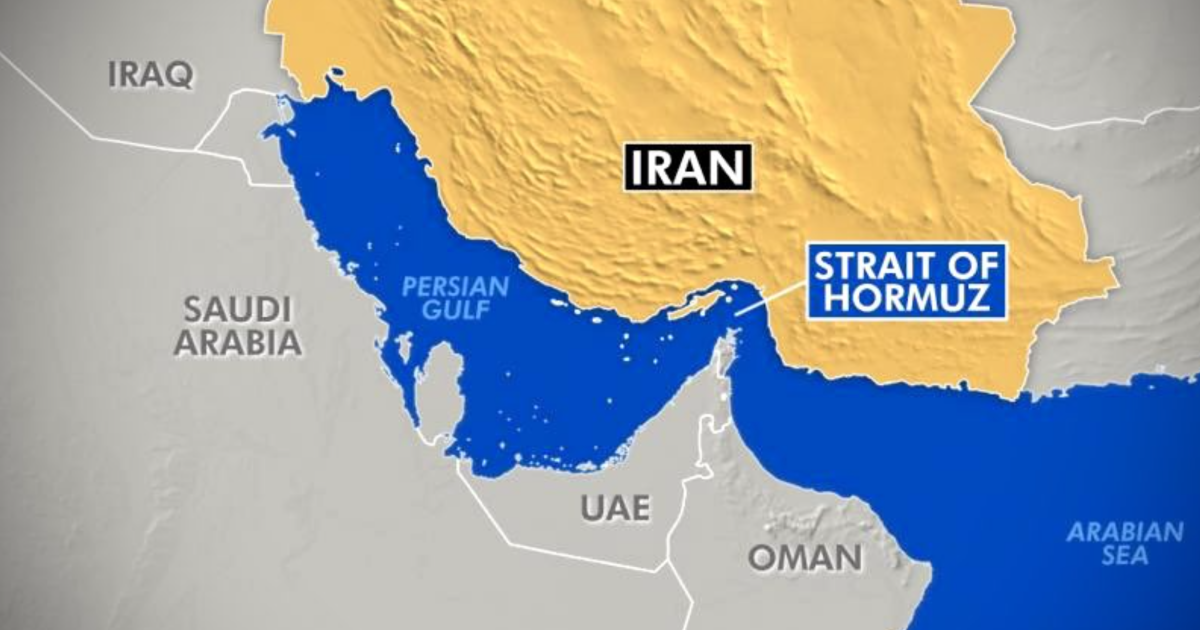
The Strait of Hormuz is a narrow maritime corridor between Iran and Oman through which roughly one-fifth of the world’s oil—and a similar share of global liquefied natural gas—passes each day. The channel’s navigable lanes for very large tankers are far narrower than the strait itself, making the route highly sensitive to disruption. The International Energy Agency estimates global oil demand now exceeds 100 million barrels per day, and a large portion of supplies bound for Asia and significant volumes headed for Europe transit this chokepoint.
European officials involved in the outreach say the immediate aim is to restore at least partial shipping flows while avoiding a broader regional escalation. But those same officials acknowledge there is no guarantee Iran will accept any arrangement guaranteeing free navigation. The diplomatic approach contrasts with other possible responses and reflects the delicate balance many capitals are attempting to strike between protecting trade and avoiding actions that could intensify regional tensions.
Markets have already responded to the heightened risk. Oil prices have surged toward the $100-per-barrel mark, and European natural gas prices have climbed sharply since the crisis began. Stock exchanges across Europe and Asia have registered losses as investors weigh the prospect of higher energy costs and slower growth. Central banks, particularly in economies already facing high inflation and fragile growth, are monitoring the situation closely because energy-price shocks can quickly feed through into broader inflationary pressures and complicate policy decisions on interest rates.
The frictions extend beyond the oil market. Shipping companies are increasingly rerouting vessels that would normally transit the Persian Gulf and the Suez Canal by sailing around the Cape of Good Hope, a detour that can add up to two weeks to transit times. Those longer voyages increase fuel consumption, raise freight costs, strain already delicate supply chains and delay deliveries between Asia and Europe. At the same time, maritime insurers have sharply increased premiums for vessels operating in the Persian Gulf, and some insurers have suspended war-risk coverage completely. Without such insurance, many ship operators refuse to enter the area, leaving dozens of vessels anchored near regional ports awaiting clarity.
Aviation has also been affected. Several air corridors have been closed over Iran, Iraq, Syria and parts of the Gulf, disrupting a key aviation bridge linking Asia, Europe and North America. Gulf aviation hubs such as Dubai and Doha have served as major transfer points for global traffic; restrictions on regional airspace are forcing airlines to reroute flights through Central Asia or Africa, increasing costs and journey times.
Responses within Europe remain mixed. France and Italy have opted for direct engagement with Tehran; Britain has not opened talks with Iranian authorities on shipping guarantees and is instead consulting Gulf states to secure alternative energy supplies. European naval forces operating in the region face hard choices: while some countries contribute warships to missions such as the EU’s Aspides maritime protection effort, officials say no European navy is currently prepared to mount widespread escort operations through the strait while the risk of attack remains high. French President Emmanuel Macron has indicated that military escorts could be considered if tensions ease and Iran agrees to respect freedom of navigation.
Turkey, too, has been drawn into the crisis: Turkish transport officials say one Turkish-owned vessel was recently granted permission by Iranian authorities to transit the strait after negotiations, while 14 additional Turkish vessels remain in the region awaiting similar authorization. The episode illustrates the precarious and often ad hoc measures governments are pursuing to keep vital trade moving without provoking a larger conflict.
The situation around the Strait of Hormuz highlights how vulnerable global energy-dependent economies remain to disruptions of key transport routes. Despite long-standing commitments by many countries to diversify supplies and accelerate energy transitions, the near-term reality is that many industrial economies—particularly in Asia and Europe—remain heavily reliant on external oil and gas deliveries. Any prolonged interruption in flows through Hormuz would have rapid and far-reaching consequences, from higher household energy bills to material impacts on national budgets and industrial production. For now, European capitals appear to be prioritizing diplomacy in hopes of stabilizing trade and markets, but the outcome of their quiet engagement with Tehran remains uncertain.