Former Belarusian Political Prisoners Describe How They Survived Cells, Solitary and Psychological Pressure
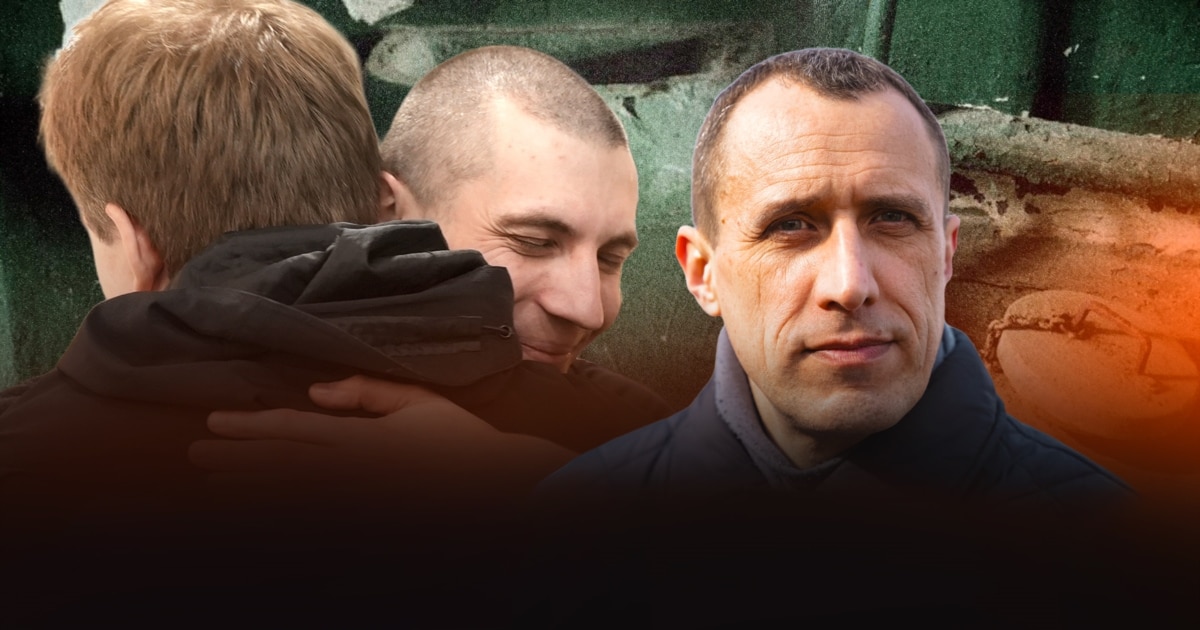
In a new episode of the podcast Archipelago BELAG, former political prisoners Pavel Sevyarynets and Igor Losik recount survival strategies used during years in Belarusian detention. Their testimonies chronicle practical measures to avoid self-harm and maintain dignity under harsh conditions, the effects of long punitive isolation, and the crucial role of outside support.
By Christopher Manley
1,160 views
Former political prisoners Pavel Sevyarynets and Igor Losik have detailed the techniques and mental frameworks they used to survive prolonged incarceration in Belarus, offering a window into the conditions inside the country’s prison system and the psychological pressures applied to detainees. Their accounts appeared in the latest episode of the podcast “Archipelago BELAG,” now in its second season, and provide practical and personal testimony on the everyday realities faced by opponents of the regime of Alexander Lukashenko.
Pavel Sevyarynets, who says he spent roughly 11 years cumulatively behind bars under successive terms of the Belarusian president, outlines a set of rules he taught himself to endure imprisonment. Sevyarynets stresses the paramount importance of silence: what a detainee says can be recorded and later used against them. "Silence is a friend that will never betray you," he said, advising inmates to limit conversations to mundane, household topics and to distrust apparent sympathy, since conversations are often monitored and used to test psychological responses.
Controlling emotion is another core strategy Sevyarynets recommends. He argues that visible emotional reactions can be exploited to increase pressure or provoke punitive responses. By mentally adopting a stance of detachment—describing the needed attitude as becoming "a phlegmatic" person—an inmate can shrink the number of actions or incidents that authorities can leverage to punish. For Sevyarynets, reframing the experience as an opportunity for reflection and spiritual work was critical: he used reading, prayer and creative pursuits to maintain purpose and stave off despair.
Practical self-care also features in Sevyarynets’ survival manual. Even in humiliating conditions, he says, maintaining personal hygiene and keeping the cell as clean as possible helps preserve dignity. He advises prisoners to conserve food and essential items because future supplies are uncertain, and to extend mutual help to cellmates with caution—there are both genuinely supportive inmates and those who exploit newly arrested political prisoners.
Sevyarynets devoted particular attention to describing punishment cells—known in Belarusian as SHIZA (segregation units)—where cold, sleepless nights and isolation are tools of coercion. He recounts how perpetual cold and lack of sleep cause disorientation and hallucinations after several days. To combat the effects, he recommends warming routines such as vigorous physical contractions of muscles and repetitive exercises to generate heat and induce micro-sleeps. On some winter nights in SHIZA, Sevyarynets says he pushed himself to hundreds or even more than a thousand contractions or push-up repetitions to stave off hypothermia and the psychological breakdown that follows prolonged sleeplessness. Over time, he adds, the body can adapt to extreme hardship, which reduces panic and helps prisoners endure.
Igor Losik, a journalist who spent 1,904 days in detention, emphasized the life-saving importance of outside support. Arrested about six weeks before a presidential election and tried alongside high-profile opposition figures, Losik was sentenced to 15 years in a maximum-security colony on charges that included organizing mass unrest and inciting hostility. He said books, letters, visits from a lawyer and knowledge that thousands of people were following and backing him sustained his morale. "If I had not felt this support, it would have been much worse," he said.
Losik described how he kept himself occupied by reading, writing, drawing and singing, citing performances of Belarusian rock and national songs as crucial emotional outlets when he felt he had no strength left. He also noted occasional small acts of kindness from some prison staff, who risked punishment to pass on news or a reassuring gesture. These discreet acts, he said, helped preserve a sense of humanity in an otherwise dehumanizing system.
On the question of hunger strikes and suicide attempts as forms of protest, Losik was blunt: in the Belarusian system, such measures should not be relied upon as a practical path to release or case review. He did say, however, that his own suicide attempts altered how the administration treated him—largely because prison rules require that detainees identified as suicidal may not be left alone—leading to somewhat less overtly punitive behaviour in his case.
Taken together, the testimonies of Sevyarynets and Losik illuminate the techniques of social and physical control used in Belarusian detention facilities and the resilience strategies that political prisoners develop in response. Their experiences underscore the role that external solidarity—letters, legal support, public attention—and small human gestures play in preventing psychological collapse. The accounts also highlight the ways punitive isolation and environmental stressors are used to break detainees, reinforcing calls from human rights advocates for independent monitoring, better prison conditions and accountability for abusive practices.
The podcast episode adds to a growing body of first-person evidence about political imprisonment in Belarus and contributes to international understanding of how repression operates on the ground. For human rights observers and journalists following the country, these personal narratives provide both a warning about the methods authorities employ and guidance on practical survival measures used by those targeted by political persecution.