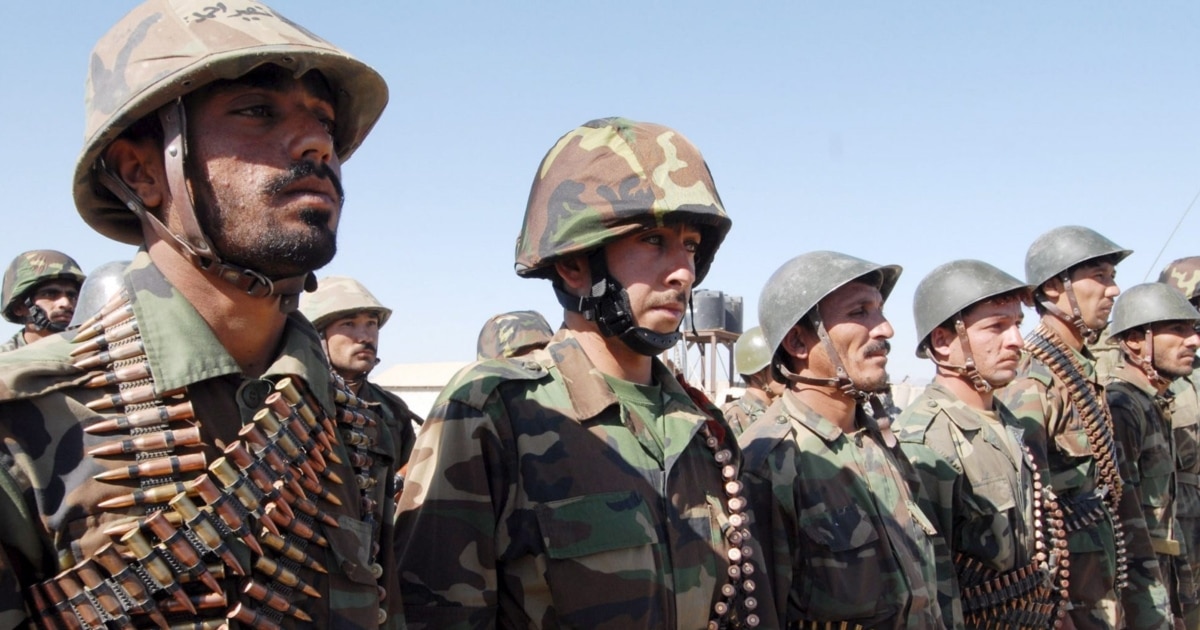
Former Afghan Soldiers Stranded in Iran Fear Taliban Retribution as Resettlement Options Collapse
Several former Afghan military officers living in Iran say their situation has deteriorated as Iranian authorities tighten controls and resettlement programmes are suspended. Unable to return to Afghanistan because of fear of Taliban reprisals, and finding work and legal status increasingly precarious in Iran, many now face an uncertain and potentially life-threatening future.
By Alexander Walter
976 views
A growing number of former Afghan soldiers and officials sheltering in Iran say they are trapped between the threat of reprisal at home and mounting restrictions and economic hardship where they currently live. The men, many of whom fled Afghanistan after the Taliban regained power in 2021, told Radio Azadi (Radio Free Europe/Radio Liberty) that recent tensions in Iran have made daily life harder and left their long-term prospects more uncertain than ever.
One former general of the pre-2021 Afghan government, who has lived in Tehran for about four years and requested anonymity, described a steady deterioration in conditions: "وضعیت ما در اینجا هر روز بدتر میشود." He said heightened scrutiny of migrants, the suspension of resettlement programmes and what he described as the confiscation of residency papers have compounded fears that returning to Afghanistan would be lethal. "در مقایسه با گذشته، وضعیت نظامیان افغان در ایران بسیار نگرانکننده شدهاست، زیرا نظامیان تحت نظارت قرار دارند. از برخی دوستانم شنیدهام که کارتهای شش ماهه آنان را گرفته اند," he told the broadcaster.
The anonymous general said Iran is increasingly deporting those who left Afghanistan without formal military documents, a policy he said would amount to a death sentence for some: "معلوم است که اگر به افغانستان اخراج شویم، از دید طالبان دو جرم داریم، یکی اینکه نظامی حکومت پیشین بودهایم و دوم اینکه به ایران فرار کردهایم. به همین دلیل ممکن است بازداشت، زندانی یا حتی کشته شویم." He added that he has been unable to find work in Iran, his family’s economic situation is worsening, and his children are suffering psychological stress.
Other former officials echoed the account. A former interior ministry officer and ex-security service employee who has lived in Iran for nearly three years — and who also has an outstanding asylum claim in Germany — described declining employment opportunities since domestic unrest began in Iran. Speaking on condition of anonymity, he said wages are increasingly withheld and that attempts to move onward have been blocked by authorities: he said several illegal journeys toward Turkey were intercepted by police and he was returned halfway through the trip. "وضعیت بسیار دشوار است. از زمانیکه جنگها در ایران آغاز شد، فرصتهای کاری کمتر شدهاست. اگر هم کسی کاری پیدا کند، مزدش را نمیدهند," he said.
A third former interior ministry officer, who said his brother — a general — was killed in Kabul four years ago, said the men fled to Iran in 2021 out of fear of reprisals by the Taliban. Now, he added, they can neither safely return to Afghanistan nor reach countries where they previously filed asylum or resettlement requests. He urged the international community to provide secure options for relocation: "ما به این دلیل به ایران آمدیم که در نظام پیشین افغانستان وظیفه داشتیم... به همین دلیل به ایران آمدیم و امیدوار بودیم که بتوانیم اینجا کار و زندهگی کنیم."
Radio Azadi said it sought comment from the Taliban government about these concerns but received no immediate response from the group's chief spokesman, ذبیحالله مجاهد, or from Ministry of Interior spokesman عبدالمتین قانع. Previously, however, قانع told the same broadcaster that the Taliban government is committed to a general amnesty declared by their leader, ملا هبتالله آخندزاده, and that the interior ministry is responsible for enforcing that decree nationwide.
Human-rights monitors and the United Nations have repeatedly documented threats to former officials in Afghanistan since the Taliban takeover. The United Nations Assistance Mission in Afghanistan (UNAMA) has published reports recording killings, disappearances, torture and arbitrary detention of members of the former security forces and administration in various parts of the country, raising serious protection concerns for those contemplating return. The Taliban government, in turn, has sometimes insisted that incidents targeting former officials result from personal enmities rather than systemic policy by its forces.
Complicating the situation further, thousands of Afghans who fled after 2021 remain in Iran and other neighbouring states awaiting third-country resettlement. Observers and refugees alike say many resettlement programmes are suspended or severely limited, leaving families in prolonged legal limbo and precarious economic conditions. In recent months, amid Iran's escalating confrontations with the United States and Israel, many Afghans have been returning to Afghanistan either voluntarily or through forced removals — a pattern that aid groups fear could expose vulnerable people to renewed abuses.
Advocates are calling on international agencies and third countries to accelerate protective pathways for former Afghan personnel and other vulnerable migrants in Iran, while urging Tehran to respect migrants' rights and to refrain from arbitrary detention or deportation. For the men interviewed by Radio Azadi, the choice is no choice at all: staying means living under continuous pressure and economic insecurity; leaving means risking arrest, torture or death in Afghanistan.