Five Years of Restrictions: How Taliban Bans on Girls’ Education and Women’s Work Have Reshaped Afghan Lives
Five years after the Taliban’s return to power, sweeping bans on girls’ secondary and higher education and broad restrictions on women’s employment have cut off opportunities for millions and deepened humanitarian and economic crises. Afghan students, former university attendees and working women describe lives marked by lost prospects and hardship, while UN agencies and rights groups warn of wider social and economic consequences.
By Blake Marriott
1,138 views
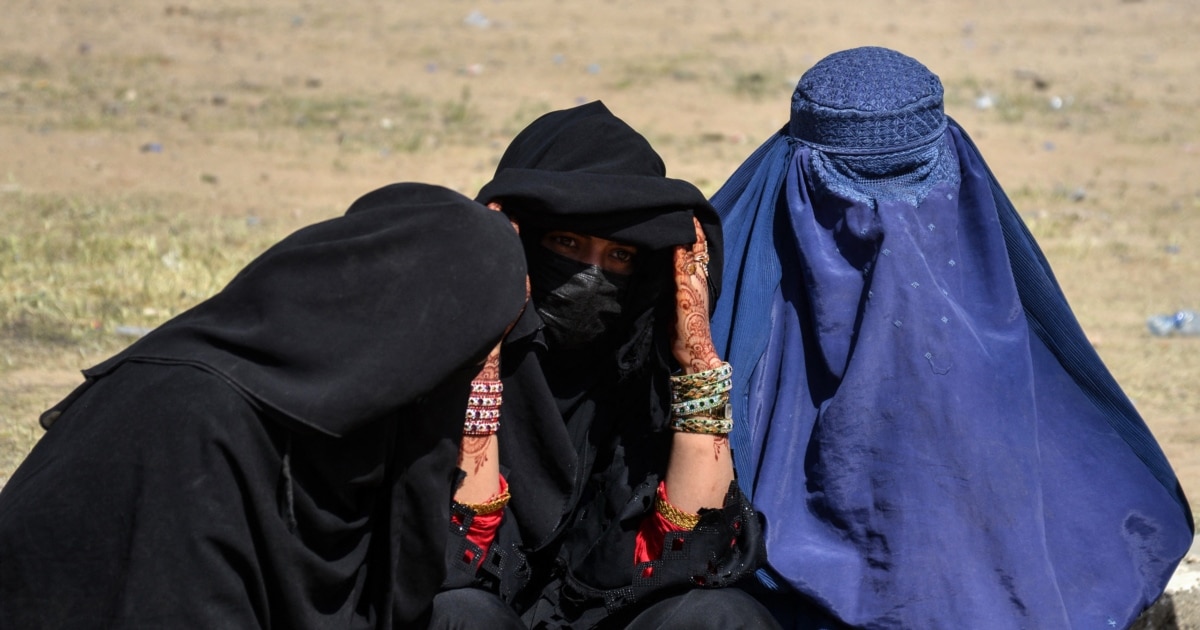
Five years after the Taliban returned to power in August 2021, Afghan girls and women continue to face sweeping restrictions on education and employment that have fundamentally altered daily life and future prospects across the country. The Taliban initially closed schools to girls beyond sixth grade soon after retaking Kabul on 15 August 2021, later banned women from universities and, most recently, prohibited women from attending medical institutes. The measures have been accompanied by a wider set of curbs on women’s movement, public presence and participation in public life.
Students and former students describe the bans as more than the loss of classroom time; they say the measures shutter lives of aspiration and agency. Kobra Haidari, a student in Kabul barred from continuing her schooling, told Radio Azadi that deprivation from education is “not only a stop to lessons and studies” but the loss of opportunities that could have changed her future. She said, «هر شخص اگر از علم و دانش خوب برخوردار باشد، میتواند برای خود و جامعهاش خیلی کارها انجام بده که متأسفانه ما این چانس را نداریم ، واقعاً خیلی دشوار و دردناک است که آدمی باشید که هیچ کاری برای خودتان و جامعهتان انجام داده نتوانید.»
The ban on higher education followed the earlier school closures. Fatana, a former third-semester medical student from Ghazni whose studies were cut short, said years have been spent in waiting and missed opportunities. She told Radio Azadi, «اگر بخواهم برای این چهار سال نامی بگذارم، آن را سالهای اجبار و انتظار و از دست رفتن فرصتها مینامم،این سال های بود که آرزوها،برنامه ها و آینده هزاران دختر را نابود کرد،اکنون شاید در رشته تخصصی خود مشغول کار می بودم و به جامعه خدمت می کردم؛ اما متاسفانه مسیر علمی ام در نیمه راه متوقف شد، برای من تحصیل تنها بدست آوردن یک مدرک نبود؛ آموزش وسیلهای برای رشد فردی، استقلال، خدمت و ساختن آینده است.»
International agencies and rights groups say the scale of exclusion is unprecedented. UNESCO reported in August 2025 that nearly 2.2 million Afghan girls have been denied education beyond primary school, and that Afghanistan is the only country in the world where secondary and higher education for girls and women are banned. UNICEF and the UN’s gender and humanitarian teams have warned that the crisis leaves roughly 11 million women and girls in need of urgent assistance. An April report by those agencies cited high rates of unemployment and poverty among female-headed households—unemployment or poverty was the main problem for 83 percent of those households, and about 43 percent faced a livelihoods crisis in 2025.
The restrictions have had a measurable economic impact, the agencies say. UNICEF warned in May that continued bans could lead to the loss of more than 25,000 female teachers and health workers by 2030, and reported that women’s representation in Afghan civil service fell from 21 percent to 17.7 percent between 2023 and 2025. The agency estimated that at least one million girls had already been affected by the measures, with an annual economic loss to Afghanistan of about $84 million.
The employment restrictions have also upended family incomes. A woman in Herat who asked that her name not be published, and who supports four children, said she lost her government job when the Taliban curtailed women’s employment. She told Radio Azadi, «من نانآور خانه خود هستم و این برایم بسیار دشوار است، زنان دیگر نیز همین وضعیت را دارند، اکثریت زنانی که کار ندارند حاضرند که خیرات و زکات بخورند پنج سال میشود که همه بیکار هستیم، عاید و درآمد نداریم.» A former NGO employee in Kabul described the sense of isolation and loss of purpose: «مثل این که در یک دریا در حال غرق شدن هستم که به هر سو دست و پا می زنم هیچ کس نیست که دست ما را بگیرد، ما بسیار آسیب دیده ایم ،در هر کشور یک تحول سیاسی می آید اما طالب چرا خانم ها را از کار منع کرد، همان دفاتر و موسسات خارجی نیز فعالیت های خود را به واسطه زنان پیش می بردند.»
Human rights organisations have documented the policies as systematic and punitive. Human Rights Watch said in a report dated 3 August that the Taliban have imposed extensive, systemic curbs on the rights of women and girls, describing the measures as part of efforts to control social life and prevent dissent. Citing Afghan researchers, the organisation noted that the fifth anniversary of the Taliban takeover highlights the heavy costs of impunity and urged governments to move beyond statements of concern toward accountability for serious crimes, including gender-based discrimination. Reflecting on the broader consequences, human rights scholar Farah Mostafawi warned, «تداوم این وضعیت افغانستان را بیش از پیش در انزوای جهانی قرار می دهد، بحران انسانی را بیشتر می کند،افراط گرایی و فروپاشی اجتماعی به میان می آید،جامعه که زنان آن از حق آموزش،کار و حضور محروم باشند هرگز به صلح ،ثبات و توسعه نمی رسد.»
Taliban officials have not responded to all requests for comment. Zabihullah Mujahid, a Taliban spokesperson, did not answer calls from Radio Azadi seeking clarity on when schools and universities might reopen to girls. Taliban authorities previously have linked any lifting of restrictions to orders from their supreme leader and said that changes would follow when they consider “conditions” to be in place. The de facto authorities have repeatedly framed the measures as consistent with their interpretation of sharia and called international criticism interference in Afghan internal affairs.
The measures have drawn condemnation from a range of countries and multilateral bodies. The United States, European Union, United Kingdom, Canada and others have urged the Taliban to reverse bans on girls’ education and to lift restrictions on women’s work. The issue has repeatedly been raised at the United Nations and at sessions of the Human Rights Council, with UN experts and rights groups warning that the restrictions threaten long-term development, deepen humanitarian need and risk isolating Afghanistan internationally.
For girls and women on the ground, the consequences are concrete and immediate: lost schooling, fewer female health workers and teachers, collapsed livelihoods and curtailed freedoms. Many say they continue to hope for a reversal of the policies. Kobra Haidari voiced that aspiration: «امیدوار هستم که هیچ دختری چنین تجربهای را در زندگی خود نداشته باشد؛ محروم شدن از آموزش تجربهای بسیار تلخ و امتحان دردناک زندگی است.» As the fifth anniversary of the Taliban takeover passes, Afghan women, international agencies and rights groups continue to press for concrete change amid warnings of mounting social and humanitarian costs.