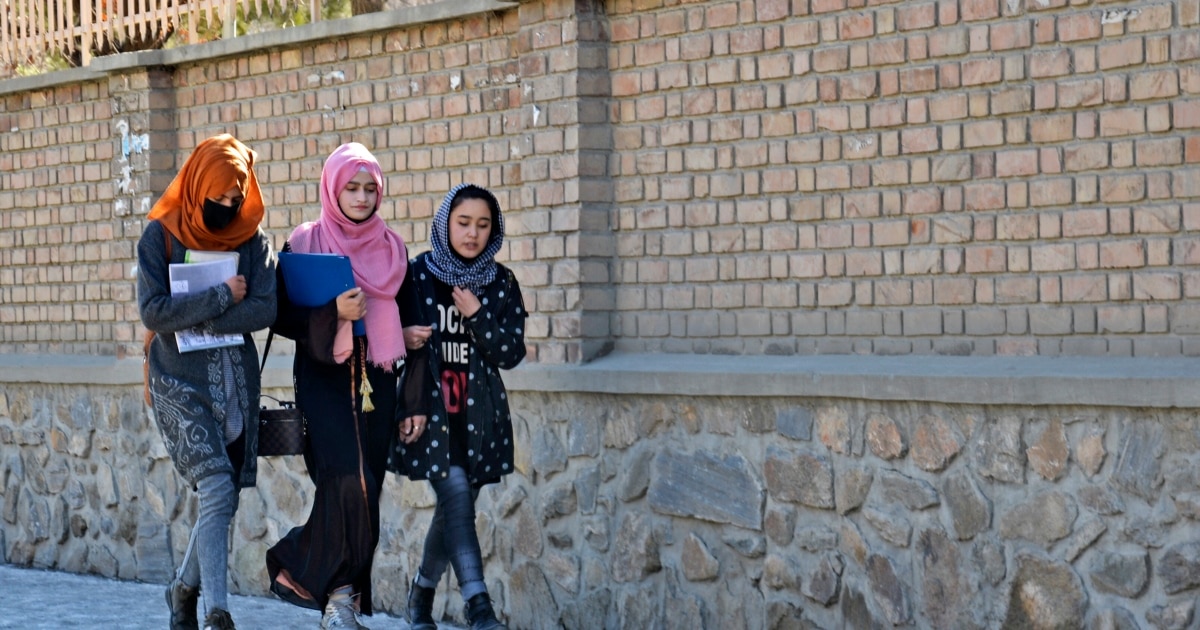
Five years after the Taliban takeover, young Afghans adjust to an increasingly repressive reality
Five years after the Taliban seized control of Afghanistan in 2021, many young people say their ambitions and daily freedoms have been drastically curtailed. With rising poverty and unemployment, severe restrictions on women's public roles, and the closure of independent media, Afghans face constrained options: leave, adapt, or survive under an authoritarian order.
By Clémence Desjardins
860 views
Five years after the Taliban returned to power in Afghanistan in 2021, young Afghans and recent graduates describe lives defined by curtailed freedoms, shrinking opportunities and a pervasive sense that the country they once imagined is gone. What many had hoped would be the start of careers, families and entrepreneurial ventures have been replaced by subsistence work, secrecy and constrained ambitions.
Ahmad Dawood, 29, had planned to expand a small tailoring business, study fashion design at university and import fabrics from Turkey to create and sell his own designs across the region. “Shpresoja të studioja dizajn mode në universitet. Kisha plan të importoja pëlhura nga Turqia, të krijoja modelet e mia dhe të punësoja rrobaqepëse. E imagjinoja veten duke marrë pjesë në shfaqje mode dhe duke i shitur dizajnet e mia në vendet fqinje”, he told Radio Evropa e Lirë. Instead, Dawood works on his family's farm outside Kabul growing fruits and vegetables and sews dresses secretly for a few clients who still place orders. “Asgjë nga këto nuk ndodhi”, he said. “Gjithçka u përmbys”. Living with his parents and two younger sisters, Dawood says the family has no funds to leave Afghanistan, and his earnings go to support relatives rather than to marriage or the purchase of a car he once hoped to buy.
For women and girls, the return of Taliban rule has been particularly stark. The group has imposed severe limitations on women’s public lives, curbing their freedom of movement, access to employment and education, and effectively erasing many women's presence from public spaces. Zainab Ramz, 27, who completed journalism studies, says she could not find work after dozens of independent media outlets across the country closed due to Taliban pressure or financial strain. After two years without a job, she now works for a Kabul-based radio station — one of the few media spaces where women still find limited employment. “Ka siguri”, she said. Even so, Ramz described how restrictions have reshaped daily routines: women must wear long, loose clothing that covers the body and generally must be accompanied by a male relative when traveling. Activities such as using gyms and pools or operating beauty salons have been banned, forcing some women to operate clandestine services from their homes.
Those hidden enterprises carry constant risk. Ramz recounted attending a covert beauty salon before a family wedding, where clients were instructed to enter and leave separately to avoid attracting neighbors’ attention. She also knows a former sports coach who opened a secret women-only gym in her basement; neighbors noticed comings and goings and reported her to the authorities, forcing the woman to shut down the facility before a Taliban intervention.
The economic fallout of the political change has been severe. The country of around 40 million people has seen rising poverty and unemployment since the Taliban took over, and hundreds of thousands of Afghans have left for neighboring states or the West. Many who remain lack the means to emigrate. Naseem Karimi, once hopeful of a career in government or elected office, now teaches at private schools on short-term contracts and tries to make ends meet on a monthly income he described as barely sufficient. After studying, he spent two years in Iran doing largely manual work before returning. “Të rinjtë nuk ëndërrojnë si më parë”, he said. “Nuk mund të ëndërrojmë më për gjëra të mëdha”. Karimi, who recently married, earns roughly 7,000 afghani (about $105) a month, with around 1,000 afghani spent on daily transport alone.
Observers say the Taliban government, which remains unrecognized by much of the international community and has been subject to sanctions, has consolidated power while limiting institutions that provided avenues for civic engagement, education and independent journalism. The contraction of media outlets and the pressures faced by reporters and outlets have narrowed the public space for information and debate, reducing employment opportunities for journalists and curbing freedom of expression across the country.
After decades of war, many Afghans interviewed by Radio Evropa e Lirë said their primary hope is survival and a degree of personal safety rather than the restoration of the freedoms they once had. “Njerëzit thjesht duan të jetojnë në paqe”, Karimi said, adding that many have simply adapted to the reality around them: “Jemi mësuar të jetojmë me vendin, ashtu siç është”. The accounts of Dawood, Ramz and Karimi underscore the broader human-rights and humanitarian crisis in Afghanistan — one in which curtailed civil liberties, economic hardship and the erosion of independent media are reshaping an entire generation's prospects and daily lives.