Exclusive: 'Dig of the Century' Beneath Notre-Dame Uncovers 1,700 Years of Parisian History
Archaeologists working beneath Paris’s Notre-Dame cathedral describe a sweeping excavation — labeled a “dig of the century” — that has revealed nearly 1,700 years of urban, religious and architectural layers, offering fresh insights into the development of the city and the long history beneath one of its most iconic monuments.
By Alexander Walter
949 views
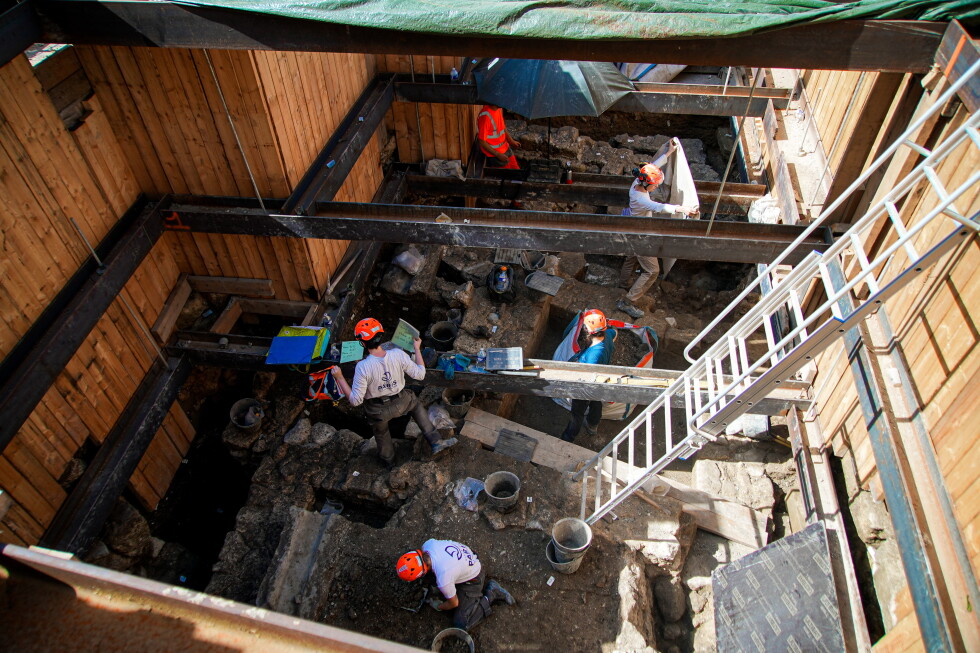
PARIS — In what archaeologists are calling a “dig of the century,” an extensive excavation below Notre-Dame cathedral has exposed nearly 1,700 years of history layered beneath the famed Gothic landmark, revealing the deep and complex past of Paris long before the cathedral rose above the Seine.
The excavation, undertaken in connection with restoration work on Notre-Dame, has allowed teams of archaeologists to peel back centuries of urban life and construction. Specialists say the findings illuminate successive phases of occupation at the site — from early settlements and religious precincts to the medieval cityscape that later encompassed the cathedral — and provide new context for how Paris evolved on top of its own past.
Researchers involved in the project emphasize the scale and significance of what they have uncovered. Calling it the “dig of the century,” they contend the site is unusually rich for a central-urban environment and may reshape understanding of the city’s formative eras. The layers and features exposed by the trenching and careful excavation techniques document long-term human activity in a location that has been a central focus of Parisian spiritual and civic life for many centuries.
Beyond the immediate academic interest, the discoveries have practical implications for conservation and restoration work at Notre-Dame. Archaeologists are working closely with conservators and architects to ensure that material remains and stratigraphy are documented and, where necessary, preserved as the cathedral itself is stabilized and repaired. This collaboration reflects a balance between protecting a living monument and studying the archaeological record that lies beneath it.
Scholars say the excavation also has the potential to enrich public understanding of Paris’s deep past. Artifacts and structural evidence from such digs typically inform museum exhibits, publications and educational programs that connect residents and visitors to how the city developed. The findings beneath Notre-Dame may ultimately contribute to reinterpretations of the site’s long-term religious, social and urban transformations.
Officials and specialists have stressed that careful analysis and conservation take time. The process of cataloging finds, conducting dating and interpretation, and deciding on how to display or conserve fragile materials is methodical and can lengthen restoration schedules. At the same time, experts argue that the historical value of the discoveries and the knowledge gained justify measured, thorough scientific work.
As the excavation continues, researchers plan to publish detailed results and to integrate the discoveries into broader studies of Parisian and French history. For the public, the work beneath Notre-Dame serves as a reminder that iconic monuments often sit atop layered landscapes of human activity and memory. The “dig of the century” beneath one of France’s most recognizable cathedrals is thus not only a scientific endeavor but a cultural moment: an opportunity to see and better understand the long and complicated history that lies just below the surface of modern Paris.