Erdogan Visits Azerbaijan for Victory Day as Rights Concerns Grow Over Detained Karabakh Leaders
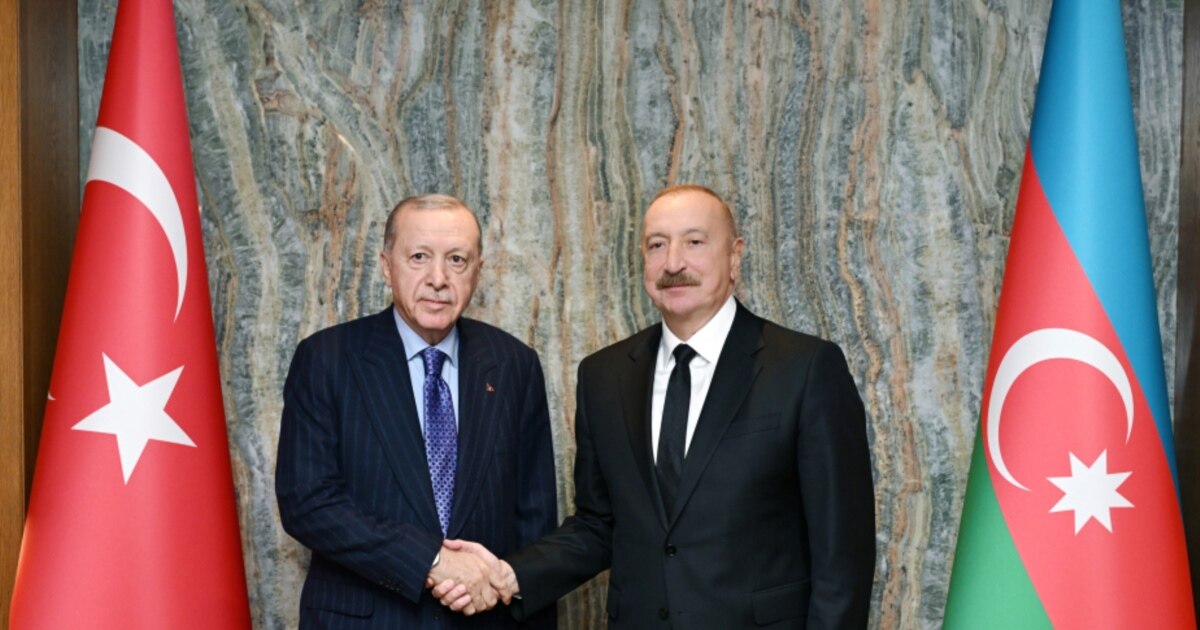
Turkish President Recep Tayyip Erdoğan traveled to Azerbaijan to take part in Victory Day events marking six years since the end of the 2020 conflict, meeting with Azerbaijani President Ilham Aliyev in Shushi. The trip comes amid recent strains in Ankara–Baku relations and renewed scrutiny over the detention and conviction of former Nagorno-Karabakh officials and other ethnic Armenians held in Azerbaijani prisons.
By Alexander Walter
1,190 views
Turkish President Recep Tayyip Erdoğan arrived in Azerbaijan on the day marking the sixth anniversary of the end of the 2020 44-day war, taking part in official Victory Day commemorations and holding a private meeting in Shushi with Azerbaijani President Ilham Aliyev, Azerbaijani news agency APA reported. Erdoğan posted messages on social media congratulating “friendly and fraternal Azerbaijan” on liberating Karabakh from what he described as 30 years of occupation.
The visit underlines the continuing high-level ties between Ankara and Baku, but it also comes against the backdrop of recent disagreements between the two allied capitals. Just one week earlier, President Aliyev declined a personal invitation from Erdoğan to attend a Turkic Council summit in Ankara. Observers have noted that tensions have arisen over a series of issues, including restrictions on wearing the hijab in Azerbaijani schools and Baku’s growing relations with Israel.
Despite those diplomatic frictions, Erdoğan traveled to Azerbaijan in person to attend the ceremonies in Shushi, underscoring the symbolic and strategic importance both countries place on the outcome of the 2020 conflict and their bilateral relationship. The visit is likely to be read as an effort to maintain close ties and present a united front on regional issues, even as differences remain.
President Aliyev used his Victory Day address and messages to the Azerbaijani public to comment on the fate of several former Nagorno-Karabakh leaders now held in Baku. State news agency AzerTAJ quoted Aliyev referring to those detained as “war criminals,” saying they had planned to reach Baku with tanks and “drink tea in Baku.” He added that those figures had received what he termed their deserved punishment.
Azerbaijani authorities currently hold 19 ethnic Armenians in custody, including former military and political leaders of the self-declared Nagorno-Karabakh authorities, according to reporting. Several of those detained have been sentenced to life imprisonment, while others received lengthy terms. The trials have been conducted without the presence of international independent observers, and human rights groups have raised questions about the fairness of the proceedings and the treatment of detainees.
Rights advocates and international organizations have repeatedly called for transparent, impartial judicial processes and access to independent monitoring in cases involving allegations of war crimes and other serious offenses. The lack of outside observers and the sentencing outcomes in Baku’s courts have fueled concern among human rights defenders that due process safeguards have not been fully respected.
Erdoğan’s presence at the commemorations and his private discussions with Aliyev are likely to have multiple objectives: to reaffirm Turkey’s political and symbolic support for Azerbaijan, to manage recent diplomatic tensions, and to consolidate bilateral ties in the face of regional realignments. At the same time, the spotlight on detained Karabakh figures will keep human rights and fair trial concerns on the agenda for international observers and advocacy groups monitoring developments in the South Caucasus.
The visit illustrates how commemoration of armed conflict anniversaries often intersects with unresolved legal and human rights questions, with implications for regional diplomacy and accountability. While Ankara and Baku publicly emphasize their fraternal relationship and shared interests, the fate of detained Armenian figures and the conduct of their trials remain potential sources of international criticism and bilateral sensitivity.