Ebola Fears Rise in Eastern Congo as Rare Bundibugyo Strain Spreads Quickly
Health officials and residents in the Democratic Republic of Congo report mounting alarm as a rare species of Ebola virus, Bundibugyo ebolavirus, appears to be spreading rapidly in parts of the country, including the eastern city of Bunia. The World Health Organization and national authorities are mobilizing response efforts amid concerns about containment, treatment options and the broader public health implications.
By Blake Marriott
914 views
Residents and health officials in the Democratic Republic of Congo say fear is spreading alongside a fast-moving outbreak of a rare strain of Ebola in the northeast of the country. On May 15, 2026, the DRC's Ministry of Health declared the outbreak — the country's 17th since Ebola was first identified there in 1976, and the first new one just five months after the previous outbreak ended. It is centered in Ituri Province, in the Mongbwalu, Rwampara and Bunia health zones, and the earliest known case was a health worker who developed fever, hemorrhaging and vomiting on April 24 and later died at a medical center in Bunia. Laboratory analysis by the National Institute of Biomedical Research in Kinshasa identified the cause as Bundibugyo virus, a comparatively rare species of the Ebola family responsible for only its third known outbreak worldwide, after episodes in Uganda in 2007 and the DRC in 2012. Detection was delayed because initial testing in Bunia screened for the more common Zaire strain and came back negative; the wide range of early symptoms — fever, fatigue, diarrhea and vomiting, with telltale bleeding sometimes not appearing until the fifth day — further complicated diagnosis. By late May, the WHO reported more than 500 suspected cases and over 130 suspected deaths, with several dozen laboratory-confirmed, and cases had already appeared beyond Ituri in North Kivu Province — including Goma and Butembo — as well as the capital, Kinshasa, and across the border in Kampala, Uganda. On May 16, the WHO declared the epidemic a public health emergency of international concern.
What makes this outbreak especially worrying to public health authorities is that, unlike the Zaire strain behind most past Ebola epidemics, Bundibugyo virus has no licensed vaccine and no specific approved treatment. The Ervebo vaccine that proved effective in earlier outbreaks targets the Zaire species and is not approved against Bundibugyo, so the ring-vaccination strategy used to contain prior epidemics is not currently available, and any candidate vaccine or therapeutic is likely months away. Bundibugyo virus disease has carried case-fatality rates of roughly 30 to 50 percent in past outbreaks, though officials stress that early supportive care can be lifesaving. With pharmaceutical tools off the table for now, the WHO has said the response must rely on classic containment: early case detection, strict infection prevention and control, rigorous contact tracing, safe burials, and deep community engagement. That effort is being hampered by the realities of the region, where insecurity, population displacement, and mining-related and cross-border movement increase the risk of further spread — and where several listed contacts reportedly became symptomatic and died before they could be isolated.
Beyond the biomedical challenges, the outbreak is affecting daily life in affected communities. Public gatherings, markets and cultural events have faced cancellations or heightened restrictions in some areas as local leaders and health officials seek to reduce opportunities for transmission. The spread of fear is also evident in the streets and clinics, where people are cautious about seeking care and where healthcare workers are operating under stressful conditions. Community engagement and clear, consistent communication from authorities are being emphasized as critical to counter misinformation and to encourage people with symptoms or who have been exposed to come forward for monitoring and care.
Officials caution that the situation remains fluid. The speed with which cases have been detected in multiple locations has made rapid contact tracing and case isolation more difficult, and health systems in some areas are already under strain from other public health demands; in Bunia, authorities began setting up field hospitals after the city's existing facilities became overwhelmed. International partners are being asked to support laboratory testing, provide personal protective equipment, and assist with logistics to reach remote or insecure locations where the outbreak has been reported. Médecins Sans Frontières has teams on the ground and is mobilizing additional resources, the European Centre for Disease Prevention and Control has said it would send experts, and the WHO has rushed testing kits to the east, while the U.S. Centers for Disease Control and Prevention has issued a health advisory assessing the risk of spread to the United States as low.
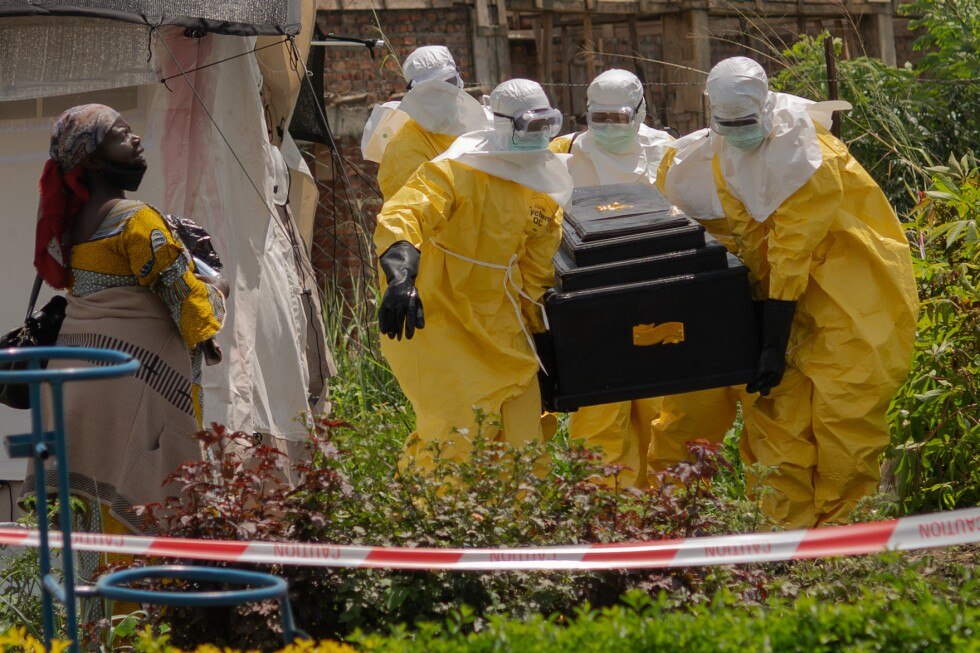
Public health experts stress that controlling an Ebola outbreak depends on both medical response and community cooperation. Measures such as prompt identification and isolation of cases, rigorous contact tracing, safe burials and transparent communication have been key to controlling past outbreaks. In addition, protecting frontline health workers and ensuring that clinics continue to function safely for other essential health services are essential components of the response.
While the appearance of a rare Ebola species raises particular concerns, public health authorities emphasize that outbreaks can be contained with timely and coordinated action. The coming days and weeks will be critical in determining whether the spread can be halted locally or whether the outbreak will widen, prompting a larger national or regional response. For now, authorities in the Democratic Republic of Congo, supported by international partners, are focused on stopping transmission, protecting communities and preventing spillover to neighboring areas.
This is a developing public health situation; figures and findings reported here reflect the early weeks of the outbreak and are likely to be updated as investigation and laboratory confirmation continue.