Early border crossings and evacuations signal potential Iranian exodus
Crossings at Turkey's Kapıköy and Azerbaijan's Astara, plus large internal movements from Tehran, are early signs that renewed conflict could trigger substantial displacement from Iran.
By
968 views
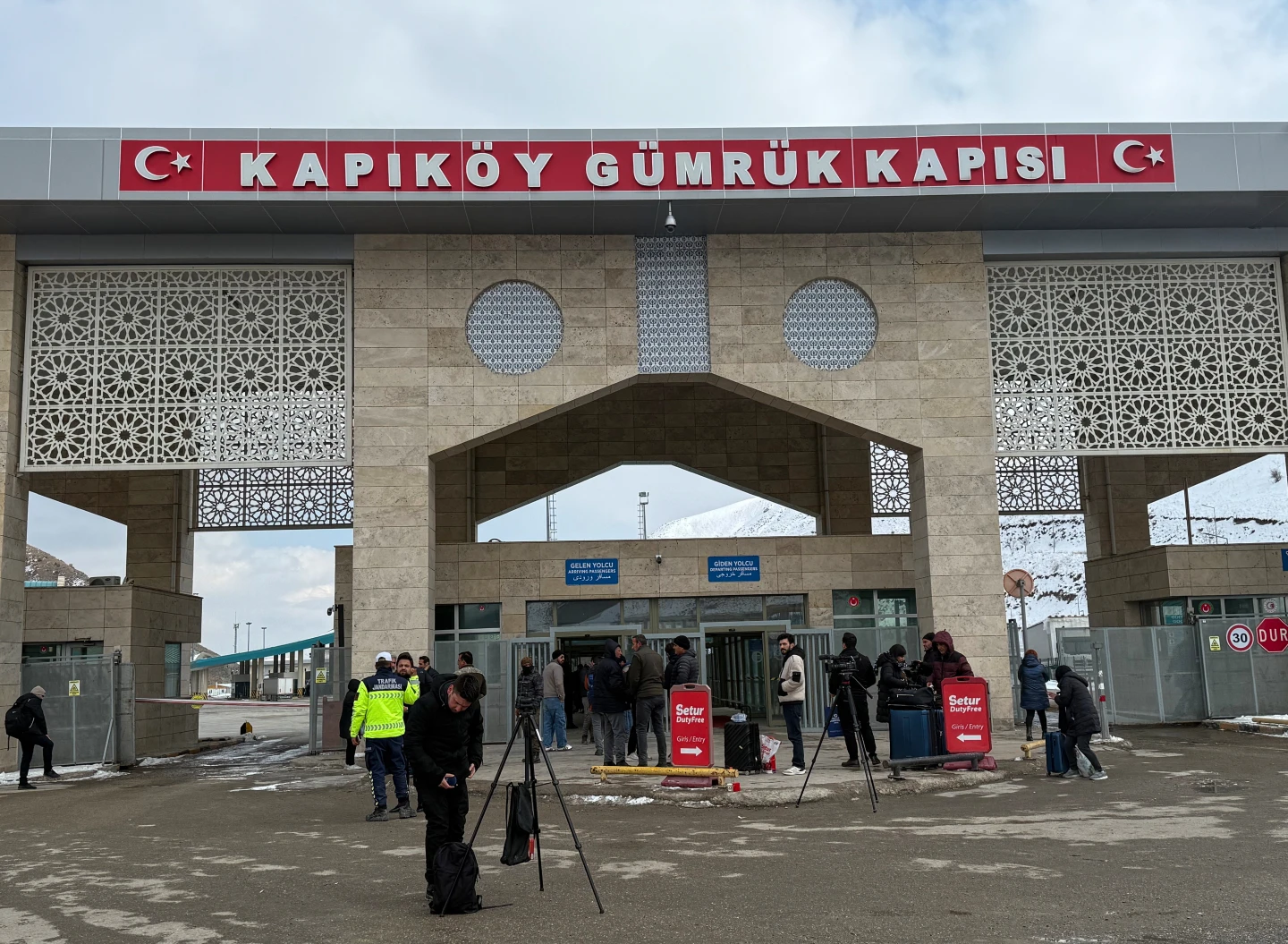
Signs of possible large-scale displacement from Iran are appearing along several of its frontiers. At the Kapıköy crossing in eastern Turkey, hundreds of Iranian civilians have arrived on foot and by car as tensions involving Iran, Israel and the United States have risen. Turkish authorities have tightened procedures at the frontier and drawn up contingency plans that could accommodate as many as 90,000 arrivals.
Further north, Azerbaijan has opened an evacuation corridor through the Astara border crossing; hundreds have been processed there and moved onward from Iran as commercial flights become less certain. Armenia and Azerbaijan together have received roughly 1,500 evacuees from Iran since the recent escalation began.
There are also signs of internal displacement. The report notes that about 100,000 residents left Tehran during the first two days of strikes, with significant traffic moving north out of the capital.
Iran’s size and internal diversity increase the potential scale of any migration crisis. The country is home to roughly 90 million people and contains multiple ethnic communities—Azeris, Kurds, Arabs, Lurs and Baluch—many of which are concentrated near international borders and have historically been early fault lines during periods of instability. If unrest widens, migration routes would likely lead westward toward Turkey, the same corridor used by millions during the Syrian crisis.
Europe experienced a sharp migration shock in 2015 after the wars tied to the rise and collapse of ISIS. First-time asylum applications across the EU rose from about 562,000 in 2014 to roughly 1.26 million in 2015, and nearly one million refugees reached European shores that year. It is estimated that more than 3,700 migrants died attempting the Mediterranean crossing. The EU–Turkey migration agreement of 2016 subsequently helped stabilize that corridor.
By comparison, Syria’s population at the start of its war was about 22 million; Iran’s population is roughly four times larger. Even a modest displacement from Iran — for example, three to five percent of the population — would translate into approximately 2.7 to 4.5 million people seeking refuge beyond the country’s borders.
For the moment, movements along Iran’s borders remain limited, but the underlying pressure is substantial. Early evacuations, tightened frontier controls and preparations for refugee accommodation are classic early indicators of a migration crisis. Those signs are now visible around Iran, and in a country of 90 million people they warrant close attention, since initial crossings often foreshadow larger flows.