Drone strikes hit Tatarstan’s Nizhnekamsk (Tüben Kama), killing 13 including a child; day of mourning declared
Early on 10 August, drone attacks struck the industrial city of Tüben Kama (Nizhnekamsk) in Russia’s Tatarstan, killing 13 people — among them a five‑year‑old girl — and wounding dozens. Authorities said both production and civilian targets were hit; Ukrainian forces claimed responsibility for an attack on the TANEKO refinery, while residents reported communication blackouts, destroyed housing and delayed official information.
By Alexander Walter
948 views
Early on 10 August, a series of drone strikes struck the industrial city of Tüben Kama (Nizhnekamsk) in Russia’s Republic of Tatarstan, killing 13 people — including a five‑year‑old girl — and injuring dozens, local officials and medical authorities said. The attacks, which were reported by residents as explosions heard before dawn, represent the deadliest single drone incident in the republic since Russia’s full‑scale invasion of Ukraine began.
The republic’s emergency ministry warned about unmanned aerial threats at around 05:00 local time and authorities closed airfields in Tüben Kama and Bugulma. Official statements said the strikes were made on both “production objects and civilian objects,” and later confirmed that there were fatalities. Tatarstan’s health minister, Әлмир Абашев, said 13 people had died and 75 were wounded; 21 of the injured were hospitalized. He said a five‑year‑old girl died before emergency teams reached her, and that two of the hospitalized people were in particularly serious condition — one with a spinal canal injury and another with chest wounds.
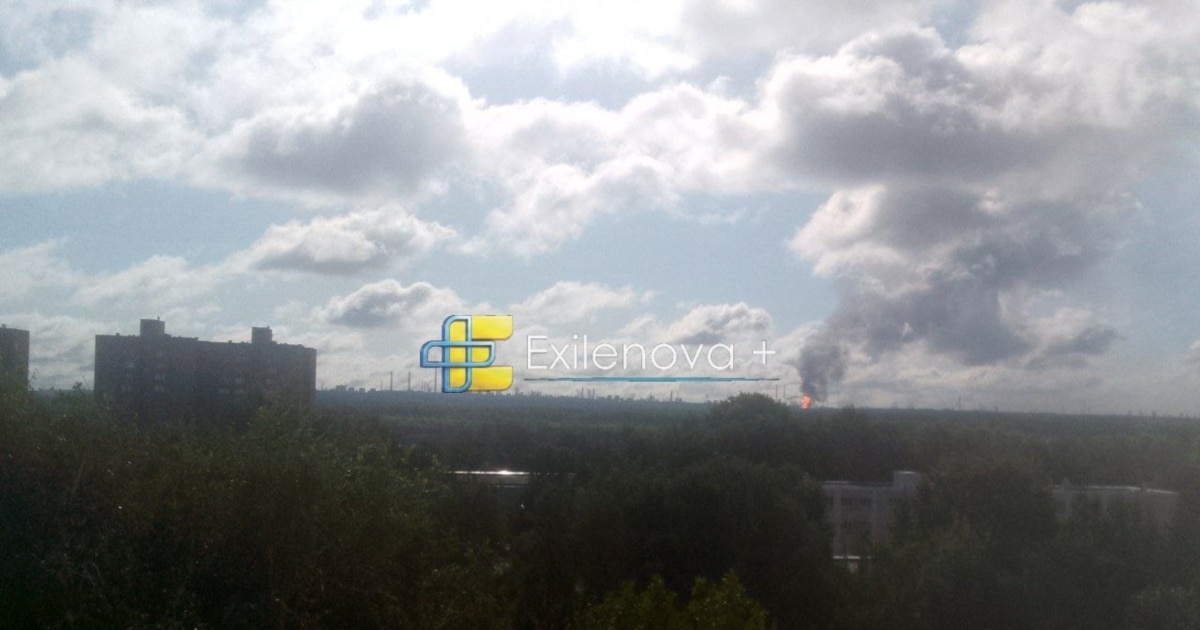
Video circulated on monitoring channels and social media showed fires in the city’s industrial zone. Ukrainian military channels later said the attack targeted the TANEKO oil refinery; local reporting and initial media speculation pointed to damage at large petrochemical installations in the area, including Nizhnekamskneftekhim, which is part of the SIBUR holding, and other refineries such as TAIF‑NK. The exact locations hit were not immediately confirmed by regional authorities, prompting confusion and anger among residents.
Residents described chaotic scenes in the hours after the strikes. Social networks carried unverified reports that a drone had fallen in the market square and that a drone detonated inside the city, damaging a residential building at Mektep Boulevard 7/2; sources said three floors of the building were destroyed and that the structure housed a dormitory and a youth centre. Officials also confirmed that foreign nationals from Uzbekistan and Tajikistan were among the dead and wounded; Uzbekistan’s foreign ministry spokesman, Оманулла Фәйзиев, told reporters that seven Uzbek citizens had been killed.
Communication problems compounded the crisis. Many people said they could not reach relatives or receive reliable information: workers sheltering in bunkers reported no connection, and residents complained that hotlines set up to collect information could not be reached because mobile networks were down. Local authorities established a temporary assistance point at Lyceum No. 3 to distribute hot food, water and dry supplies, to provide sleeping places — the centre was prepared with 21 folding beds and 16 sleeping bags — and to offer psychological support and to take reports of property damage.
The human cost has prompted an official response. Tatarstan President Рөстәм Миңнеханов declared 10 August a day of mourning and announced financial compensation measures: his press service said families of those killed would receive 2 million rubles (2 миллион сум) and injured people would receive payments ranging from 300,000 to 600,000 rubles depending on the severity of injuries; compensation will also be provided for partial or total loss of property. Nizhnekamsk Mayor Радмир Беляев said the city’s enterprises would provide material assistance to the families of the dead, take on funeral arrangements and give financial support to affected employees; the municipality said it would pay 1 million rubles to the family of a child killed in the strike.
Public anger against local authorities centered on what residents described as a lack of clear information and inadequate air‑defence. Social media reaction included direct criticism of official assurances that “everything is under control” and calls for better protection: “Иң көлкелесе — барысы да контрольдә дигән сүзләр,” one commentator wrote, expressing disbelief that the situation could be under control while so many civilians were killed or missing. Others posted: "Туйдырдылар инде үзләренең сугышлары белән!" — a Tatar‑language expression of exasperation at the ongoing conflict and its toll on civilians.
The strikes are part of recurring attacks that Ukrainian forces say are aimed at Russian strategic industrial targets in response to Moscow’s invasion. Independent monitoring by Azatlyk has also compiled casualty lists from the war; the outlet reports thousands of fatalities from Tatarstan and neighbouring regions among Russian forces, underscoring the wider human costs of the conflict. For now, residents of Nizhnekamsk face the immediate aftermath of loss, damaged housing and disrupted communications as authorities work to document damage, assist the injured and account for the dead.