Drone Attack at Major Russian Refinery on Night of Nov. 9 Sparks Fire and Kills One Civilian, Governor Says
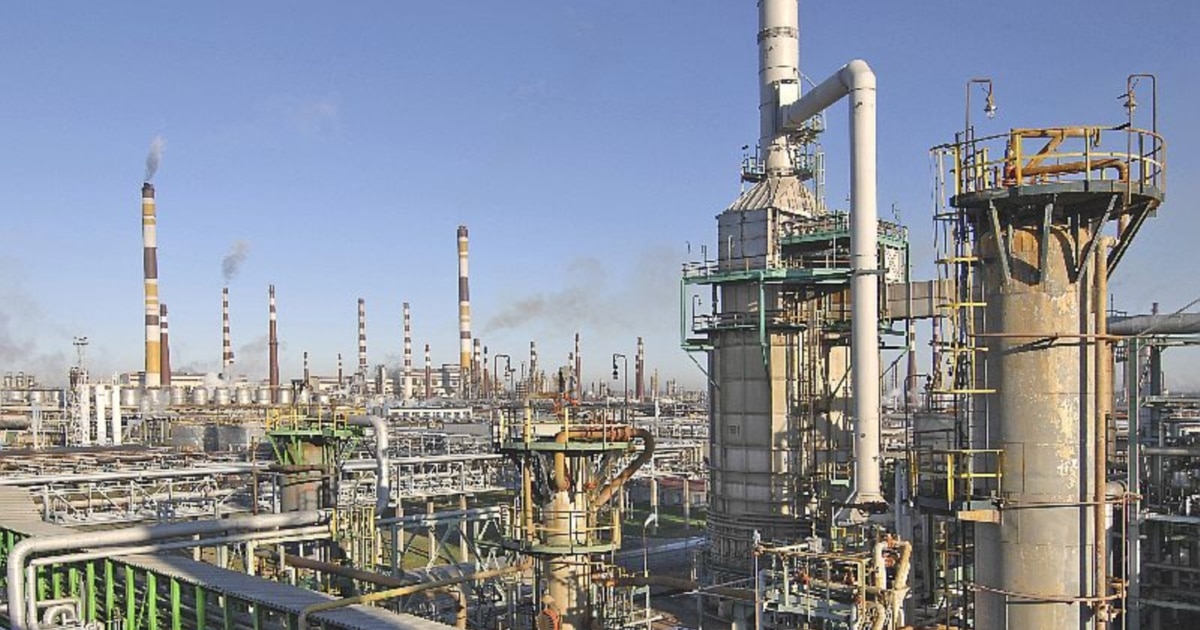
Regional authorities say a large-scale drone assault on the Leningrad region on the night of November 9 struck the Kirishinefteorgsintez oil refinery, reportedly one of Russia’s largest. The attack triggered a fire at the facility and debris from downed drones fell on a residential building in Vsevolozhsk, killing a woman, while Moscow says it shot down hundreds of drones — a claim that cannot be independently verified.
By Alexander Walter
940 views
Ukrainian drones struck the Leningrad region of Russia on the night of November 9, hitting the territory of the Kirishinefteorgsintez oil refinery and igniting a fire at the plant, regional authorities and monitoring outlets reported.
Alexander Drozdenko, governor of Leningrad region, said that the attack involved a large number of unmanned aerial vehicles and confirmed that the grounds of the Kirishinefteorgsintez refinery were struck. Local reporting and the ASTRA website similarly reported that a fire broke out at the refinery following the drone attack. Kirishinefteorgsintez is one of Russia’s largest oil processing plants and has been identified in reporting as the country’s second-largest by oil production.
The refinery produces a range of petroleum products, including gasoline, diesel, aviation kerosene, fuel oil (mazut), bitumen and paraffin. It has been targeted in previous incidents, according to local reports, underscoring the strategic sensitivity of fuel-processing infrastructure amid the ongoing conflict between Russia and Ukraine.
Drozdenko also said debris from downed drones fell onto the roof of a multi-storey apartment building in the town of Vsevolozhsk. He reported that a woman living on an upper floor of the building was killed. Authorities have not released further details about the victim or whether there were other injuries.
The Russian Ministry of Defence issued a statement saying it had shot down 430 Ukrainian drones during the night of November 9. That figure was presented as part of Moscow’s account of the incident. Independent verification of wartime claims about the number of aircraft intercepted or destroyed is often not possible, and the scale of the deputy figures cannot be independently confirmed at this time.
Ukrainian monitoring channels also reported that the refinery was attacked, though Kyiv has not issued an immediate public statement in the reports cited by regional media. The differing accounts from regional officials, local monitoring outlets and the Russian military reflect the contested and rapidly evolving nature of reporting on cross-border strikes and air-defence performance during the conflict.
The attack raises several immediate concerns. Striking major fuel-processing facilities can affect civilian and military fuel supplies, carry risk of widespread environmental damage from fires and spills, and threaten nearby residential areas — as illustrated by the reported civilian fatality from falling drone debris. Attacks on energy infrastructure also carry economic and humanitarian implications for local populations dependent on stable supplies.
Moscow’s claim of hundreds of intercepted drones, if accurate, would represent a significant air-defence engagement in the region on a single night. Conversely, if a number of drones did reach their targets, that would highlight continuing vulnerabilities in protecting critical infrastructure near the front lines. Given the lack of independent verification, international observers and analysts will likely be monitoring follow-up reporting and official statements for further detail.
The incident adds to a pattern of cross-border strikes and countermeasures that have characterized the conflict, with civilian harm and damage to infrastructure repeatedly drawing attention to the wider humanitarian and strategic consequences. Local authorities and emergency services typically conduct fire-fighting and damage assessments following such strikes, and follow-up reports may provide additional information about casualties, the extent of damage at the refinery and any operational impacts on fuel production.
At present, details remain limited to official regional statements, local monitoring reports and the Ministry of Defence’s announcement. Independent confirmation and further information about the scale of material damage, environmental effects and any broader operational ramifications for fuel supplies in the region are awaited.