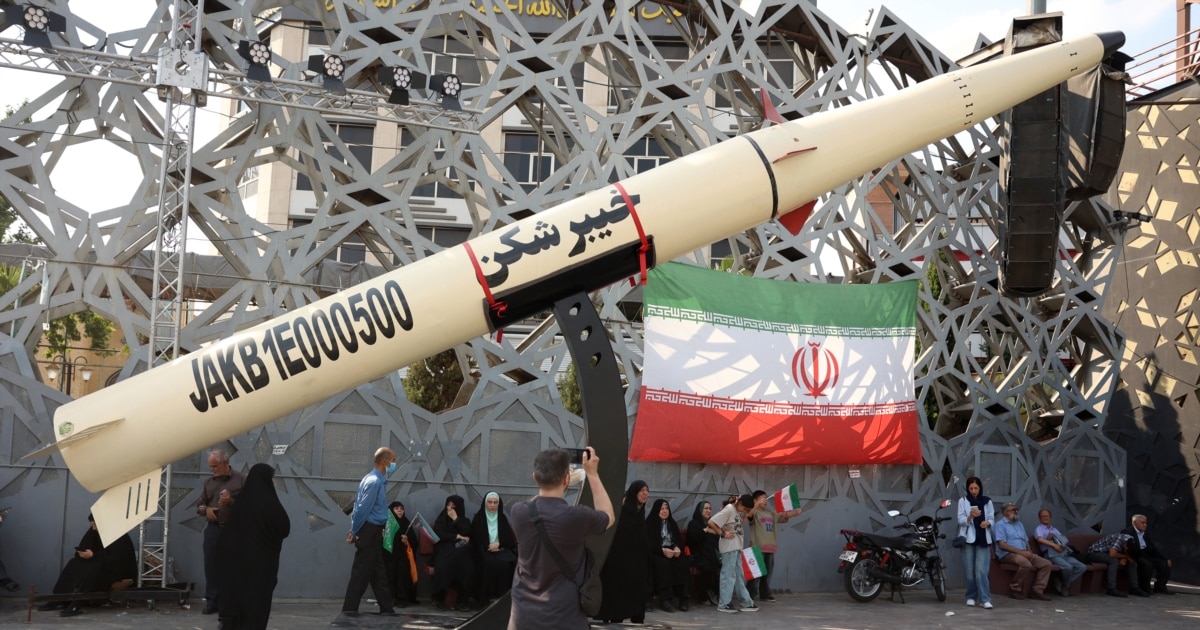
Diplomatic Push for US–Iran Understanding Meets Fragile Ceasefire and Continued Repression
After an influential Pakistani announcement that a US–Iran memorandum was close to completion, hopes of a near-term agreement were tempered by fresh violence in the region and cautious statements from Iranian officials. Maritime attacks near Oman and Israeli strikes in Lebanon underlined that any truce remains unstable, while Tehran’s domestic crackdown on dissent and arrests of cultural figures continued.
By Blake Marriott
1,071 views
A wave of public statements and diplomatic manoeuvres over the past 48 hours have fuelled cautious optimism that the United States and Iran may be close to a limited understanding — even as renewed fighting in the region and continuing repression inside Iran underline the fragility of any ceasefire.
Pakistani Prime Minister Shehbaz Sharif set off intense speculation when he posted on social media that "Konačan, dogovoren tekst mirovnog sporazuma je postignut" and that Pakistan was helping both sides to finalize next steps. Sharif said Pakistan was preparing for an electronic signing "posle toga", followed by technical talks the next week: "Pakistan se priprema za elektronsko potpisivanje mirovnog sporazuma odmah posle toga, a zatim za razgovore na tehničkom nivou sledeće nedelje," and suggested that the "finalizacija" could occur within 24 hours.
Washington and Tehran have not publicly confirmed an immediate signature. A spokesperson for Iran’s foreign ministry, Esmail Bakaei, was quoted by the semi-official Tasnim news agency as urging caution, saying, "neće biti sutra," and blaming hesitation by the other side for delays. U.S. and Iranian officials have held direct talks most recently in Islamabad on April 11–12 that ended without a deal; since then, both sides are reported to have exchanged drafts and messages through Pakistani intermediaries aimed at producing a Memorandum of Understanding.
Despite the diplomatic buzz, violence escalated on multiple fronts. The United Kingdom Maritime Trade Operations (UKMTO) reported that a commercial tanker was struck by an unidentified projectile off the coast of Oman during the night; "Posada je, kako se izveštava, bezbedna," the account said, adding a warning to vessels to proceed cautiously: "Brodovima se savetuje da plove s oprezom." At the same time, Israeli Defense Forces (IDF) said they struck targets in Lebanon as they confront Hezbollah — an armed group the United States and Israel both designate as terrorist — and reported incoming fire and air-raid sirens in northern Israel.
Iranian leaders have made clear that any deal with Washington would have to address hostilities in Lebanon, where Tehran-backed proxies have been central to the escalation. Reports indicate one path under consideration would be to separate maritime and security measures from the more contentious nuclear and sanctions questions: an initial memorandum could focus on reopening the Strait of Hormuz to commercial traffic and easing naval restrictions in exchange for lifting a U.S. maritime blockade of Iranian ports and waters, while leaving nuclear enrichment issues, stockpiles of enriched uranium and U.S. sanctions for subsequent negotiation rounds. Those reports have not been officially confirmed.
Observers note that previous surges of optimism have been followed by renewed clashes. The conflict intensified in late February after U.S. and Israeli air strikes against Iran, and breaches of a tentative ceasefire that began on April 8 have already frayed diplomatic momentum and revived bellicose rhetoric from key actors.
Alongside the external security dynamics, Tehran’s domestic crackdown on dissent has continued. Iran’s Writers Association reported that the poet and novelist Yusef Ansari, arrested on January 8, was sentenced to four months in prison plus an additional eight months suspended. Radio Farda—Radio Free Europe/Radio Liberty’s Iranian service—reported that Ferejdun Farahani, a music professor and visiting architecture lecturer at Pars University, was detained for social media posts he shared during the demonstrations, including a poem titled "U slavu želje nacije za slobodom." In Isfahan province the judiciary announced plans to seize the assets of 100 people labelled "izdajnika," without giving further detail.
Authorities have increasingly applied new post-conflict laws broadening the definition of espionage to pursue alleged contacts with foreign actors; Tasnim reported arrests on charges of "kontakt sa stranim špijunskim elementima." Human rights groups and foreign governments have condemned the widening repression, which followed the killing of thousands of demonstrators in January and included executions and long prison terms for political detainees. The intensified domestic crackdown complicates Iran’s negotiating position and raises questions about how any diplomatic pact would affect human rights and accountability inside Iran.
As negotiators and intermediaries consider where and how a signature could take place — with European venues and digital signing both reportedly on the table — the broader picture remains unsettled. Military incidents at sea and across borders demonstrate that any agreement will face immediate tests, while Tehran’s continued repression of writers, academics and protesters underscores the parallel struggle over civil liberties even as diplomats seek to halt open hostilities. For now, public claims of imminent agreement sit alongside sober official caveats and ongoing violence, leaving the region in a tense and uncertain pause.