Daughter of Former Kyrgyz Ambassador Declares Hunger Strike While Held on Corruption Charges
Mеerim Uzakbaeva, daughter of former agriculture minister and ex-ambassador Emilbek Uzakbaev, has declared a hunger strike after being held in temporary detention for about two months, her lawyer says. She faces criminal charges related to the alleged illegal privatization of multiple state-owned properties and was detained on March 20.
By Alexander Walter
1,121 views
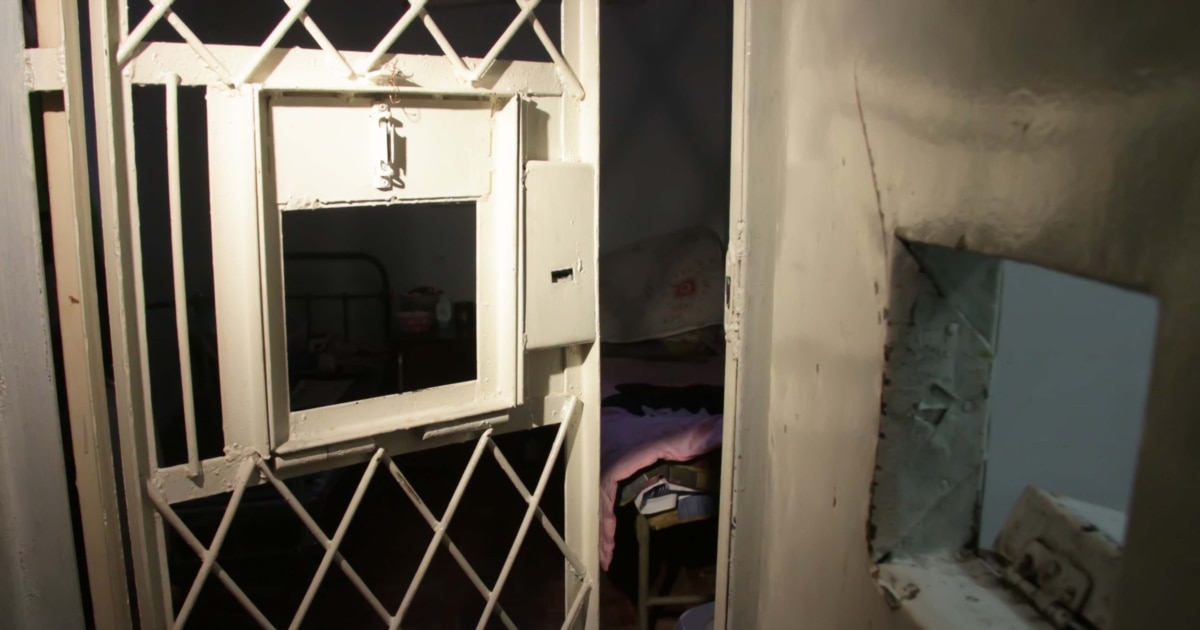
Mеerim Uzakbaeva, the daughter of former agriculture minister and Kyrgyzstan’s former ambassador to Uzbekistan Emilbek Uzakbaev, has announced a hunger strike while held in temporary detention in Bishkek, her lawyer said. The declaration of the hunger strike was disclosed by Akynbek Nogoev, who told reporters that Uzakbaeva has been held in a pretrial detention facility for about two months.
In comments reported by her lawyer, Nogoev said: “Эки айдан убактылуу кармоочу жайда жатат. Андан бери тергөө иштери - суракка чакыруу, күбөлөр менен беттештирүү болгон жок. Мээрим Узакбаева ачкачылык жарыялап, убактылуу кармоочу жайдын жетекчилигине арыз берди”. According to Nogoev, Uzakbaeva has not been summoned for questioning nor confronted with witnesses since her detention, and she has filed a formal complaint with the leadership of the detention center.
Authorities have opened a criminal case against Uzakbaeva on allegations linked to the unlawful privatization of state enterprises and property. She was detained on March 20 and charged under the Criminal Code provision identified in media reports as “Коррупция” (corruption). The charges relate to several properties and parcels of land allegedly privatized improperly, including a five-story building on Togolok Moldo Street, assets and land totaling approximately nine hectares tied to the joint-stock company “Кыргызайылкөмөк” on Sydygaliev Street, and roughly nine hectares connected to the “Баят” (Bayat) market on Mahatma Gandhi Street.
The case comes amid heightened public scrutiny because of Uzakbaeva’s family ties. Her father, Emilbek Uzakbaev, a former agriculture minister who also served as Kyrgyzstan’s ambassador to Uzbekistan, was detained on February 11 in connection with a separate investigation described in local reporting as related to the “75чилердин катына” case. He faces an accusation of “Кызмат абалын кыянаттык менен пайдалануу” — abuse of official position, according to the same reports.
Legal advocates and human rights observers commonly flag prolonged pretrial detention and limited access to investigative proceedings as issues of concern for defendants’ rights. The lawyer’s assertion that Uzakbaeva has not been brought in for additional questioning or witness confrontations since her arrest may raise questions about the pace and transparency of the investigation and about whether her hunger strike is a response to perceived delays or conditions in detention.
There has been no immediate public statement from prosecutors or the detention facility addressing Nogoev’s claims or providing details about the status of the investigative steps referenced by the defense. The criminal case against Uzakbaeva centers on allegations of illegal privatization, a subject that has previously drawn contentious political and legal scrutiny in Kyrgyzstan, where property transactions and the privatization process have at times been politically sensitive.
The developments underline the broader stakes in cases involving officials and their relatives: they often prompt debate over rule-of-law standards, the impartiality of prosecutions, and the treatment of detainees during pretrial processes. Uzakbaeva’s hunger strike adds urgency to concerns over her health and the handling of her detention, while the separate detention of her father prolongs the spotlight on the pair and the cases against them.
This report is based on reporting by Azattyk (RFE/RL). Additional details, including official responses from law enforcement or the detention facility, were not available in the original account and would be necessary to provide a fuller picture of the procedural steps being taken in the investigations and the legal arguments of the defense and prosecution.