Cold Chain Vulnerability: Coordinated Cyberattacks Spike Supermarket Freezers to 50°C Across Europe
Alleged cyberattacks targeting supermarket refrigeration systems across several European countries have raised concerns about the security of critical food and medical supply chains. Reports of manipulated freezer temperatures and attempted intrusions into French blood storage facilities highlight the potential consequences of insecure industrial IoT systems, although the incidents’ coordination, scale and attribution remain unverified.
By Pawel Cybulski
1,186 views
Photo: pixabay
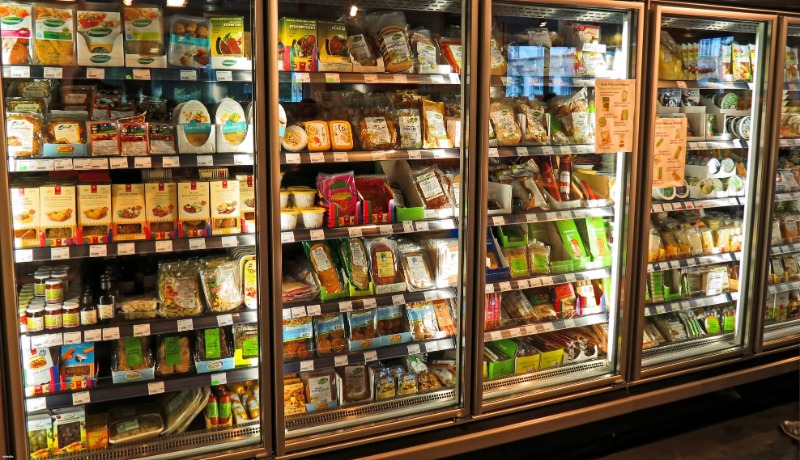
BRUSSELS / PARIS — A sophisticated and highly coordinated wave of cyber-intrusions has exposed a critical underbelly in Europe’s civilian infrastructure. Over recent days, commercial refrigeration systems in supermarkets across Belgium, Sweden, Estonia, the Netherlands, Luxembourg, and Ireland were remotely compromised, with internal thermostats maliciously cranked up to 50°C (122°F). The synchronized attacks resulted in multi-million-euro inventory losses and forced widespread disposal of spoiled food supplies.
Simultaneously, parallel cyber-probes and intrusions targeted medical cold storage facilities, including critical blood bank infrastructure in France, sending shockwaves through European cybersecurity agencies as investigators grapple with the implications of widespread Operational Technology (OT) vulnerabilities.
A Synchronized Cross-Border Strike
The coordinated nature of the incidents has raised alarms among cybersecurity experts and EU officials. While initial isolated anomalies were detected in France, Belgium, and the Netherlands, the campaign expanded rapidly into a multi-nation vector. Retail giants and independent grocers across Sweden, Estonia, Luxembourg, and Ireland reported sudden overnight spikes in refrigeration and freezer temperatures.
In Sweden, major supermarket operators such as ICA and Coop confirmed that multiple locations were severely impacted, with at least one store registering a freezer setpoint manually rewritten to 50°C. Because a malfunctioning mechanical compressor leads to gradual temperature drift rather than precise high-temperature setpoints, forensic analysts concluded that the modifications were the result of deliberate external configuration tampering.
Medical Targeting: The French Blood Bank Incident
In a concerning escalation beyond commercial retail supply chains, hackers also set their sights on medical infrastructure. Three blood storage facilities managed by the French Blood Establishment (Établissement français du sang — EFS) became targets of remote temperature manipulation attempts.
Attackers attempted to force temperature spikes in cold rooms housing plasma and blood components—normally stabilized at strict sub-zero levels (such as -30°C)—pushing configuration parameters upward. Fortunately, automated safety protocols and rapid intervention by EFS technical teams, working alongside the French National Cybersecurity Agency (ANSSI), detected and reversed the temperature anomalies before critical blood reserves or medical supplies were compromised.
Historical Context: Not a Novel Vector
Security analysts note that these events are not isolated anomalies. Similar remote tampering targeting commercial refrigeration hardware was previously documented in 2022 across facilities in Russia and Israel.
This historical precedent underscores a critical dimension of the threat: vulnerabilities in industrial IoT and refrigeration controllers are systemic rather than regional. The recurrence of such attacks across disparate geographies demonstrates that the problem is not limited to a single country or a single geopolitical conflict, but rather represents a persistent architectural flaw in how critical cold chains are connected to remote management networks.
The Vector: Unsecured IoT and Default Credentials
Preliminary technical assessments indicate that the attacks did not rely on complex malware or zero-day exploits, pointing instead to systemic hygiene failures in industrial Internet of Things (IoT) and OT deployment.
Many affected refrigeration controllers—supplied by third-party vendors such as Danfoss and Coolworld—were connected directly to the public internet via default administrative credentials (such as the username 'admin' paired with predictable passwords) and unsegmented remote-management portals. This architectural exposure allowed unauthorized actors to scan for exposed endpoints and remotely rewrite operational profiles en masse.
Attribution Deficit and Strategic Ambiguity
Most importantly, despite intense international investigation, no perpetrator has been publicly identified to date, no specific state responsibility has been officially confirmed, and no definitive public evidence has been presented linking all these incidents together.
While intelligence agencies and cybersecurity researchers continue to evaluate potential hypotheses—ranging from criminal extortion networks to state-sponsored hybrid testing—the lack of attribution highlights the severe challenges in policing distributed operational technology. For European policymakers and civilian operators, the ongoing cold-chain crisis serves as a stark reminder: as infrastructure digitizes, the physical security of food and public health remains dangerously exposed to unverified remote access.