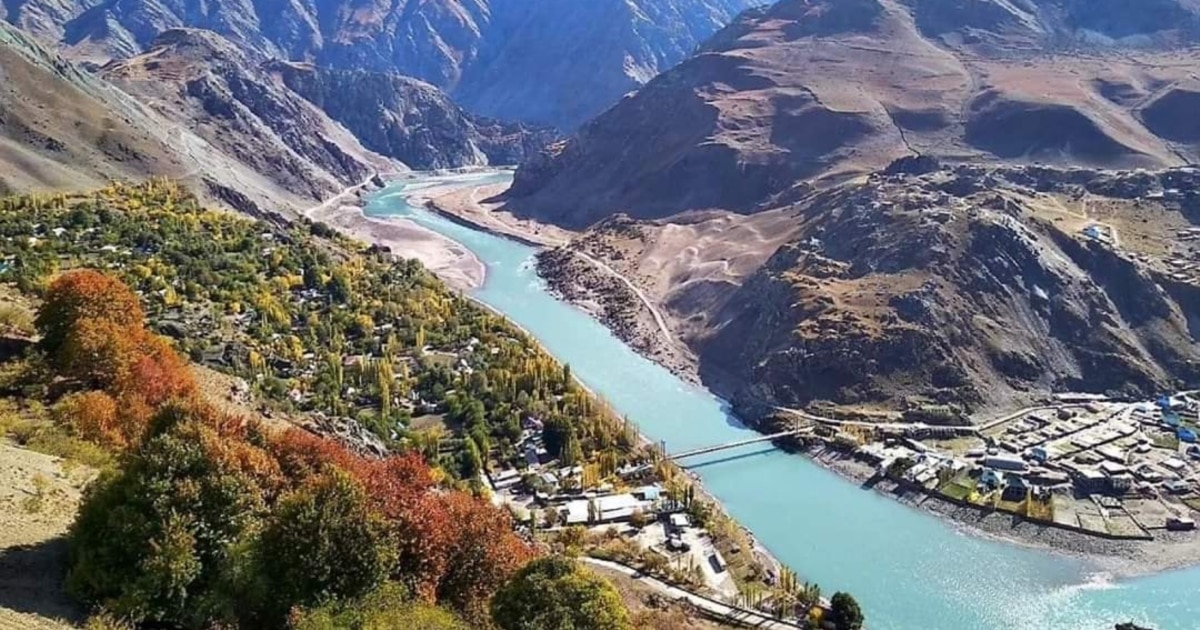
Clashes in Afghanistan’s Nusay Close Ruzvai Cross-Border Market in Tajikistan’s Darvoz
For two weeks the Ruzvai near-border market in Tajikistan’s Darvoz district has remained shut after heavy fighting in Afghanistan’s Nusay district between Taliban forces and a dissident commander. The closure has halted a vital weekly trade exchange for residents on both sides of the border and follows cross-border gunfire that killed a 21-year-old Tajik woman and drew a diplomatic protest from Dushanbe.
By Clémence Desjardins
1,082 views
The Ruzvai near-border market in Tajikistan’s Darvoz district has been closed for two weeks for security reasons after intense clashes in the neighboring Afghan district of Nusay, local sources said. The market, located in the village of Ruzvai on the Tajik side of the frontier, historically operates on Saturdays and Sundays and is a key venue where residents of both countries buy and sell food and household goods.
According to Radio Ozodi correspondents in Darvoz, the fighting in Nusay — which adjoins Darvoz in Tajikistan’s remote Badakhshan region — pitted Taliban forces against a dissident commander identified in local reporting as Ҷумъахон Фотеҳ. Authorities in Darvoz reported that the situation in Nusay had calmed following the clashes, but that the market would likely remain closed for the week for safety reasons. There is no word yet on when it will reopen.
The suspension of market activity has interrupted an established pattern of cross-border trade. Residents of both sides traditionally gather at the Ruzvai market on weekends. Radio Ozodi quoted a resident of Afghanistan’s Shighai (Шикай) area of Darvoz as saying that Tajik traders typically bring produce such as watermelons, melons, grapes, tomatoes, cucumbers, apples, as well as meat and eggs. Afghan traders, who deliver goods via Sher Khan Bandar and the Friendship bridge (пули "Дӯстӣ"), transport their merchandise to the Badakhshan border area for sale.
Tajik buyers at the market reportedly seek inexpensive household items from Afghan sellers, including soap, clothing, a range of technical goods, various fabrics and other everyday commodities. The weekly market is therefore an important source of affordable goods for border communities and a livelihood for traders on both sides.
The recent closure follows earlier disruptions: the market was also shuttered several years ago after the Taliban’s return to power in Afghanistan and only reopened with permission from Tajik authorities. The latest suspension comes amid renewed insecurity along a stretch of the Tajik-Afghan frontier that has seen sporadic fighting and cross-border incidents in recent weeks.
The clashes between August 11 and 17 coincided with the death of a 21-year-old Tajik woman, identified in reporting as Ҷасмина, who local sources said was killed by gunfire originating from Afghan territory. Tajik authorities condemned the incident and issued a diplomatic note of protest to the Afghan Taliban administration. In response, the Taliban government’s foreign ministry expressed "ибрози таассуфи амиқ" and characterized the killing as the work of "афроди вайронкор ва фурсатталаб," without naming any individual or group.
The violence along the frontier also prompted an advisory from the U.S. Embassy in Dushanbe. On August 19 the embassy announced that U.S. government personnel were temporarily prohibited from traveling to Tajikistan’s border regions with Afghanistan, particularly to the Gorno-Badakhshan Autonomous Region (ВМКБ), citing security concerns.
Local officials and residents say that while direct hostilities have subsided in parts of the border area, the closure of the Ruzvai market underscores the broader human and economic toll of insecurity for border populations. The suspension of the market limits access to affordable goods and income for traders, and heightens anxiety among communities that depend on routine cross-border commerce. For now, many vendors and buyers remain uncertain when normal trade will resume and whether additional security incidents might prolong the disruption.