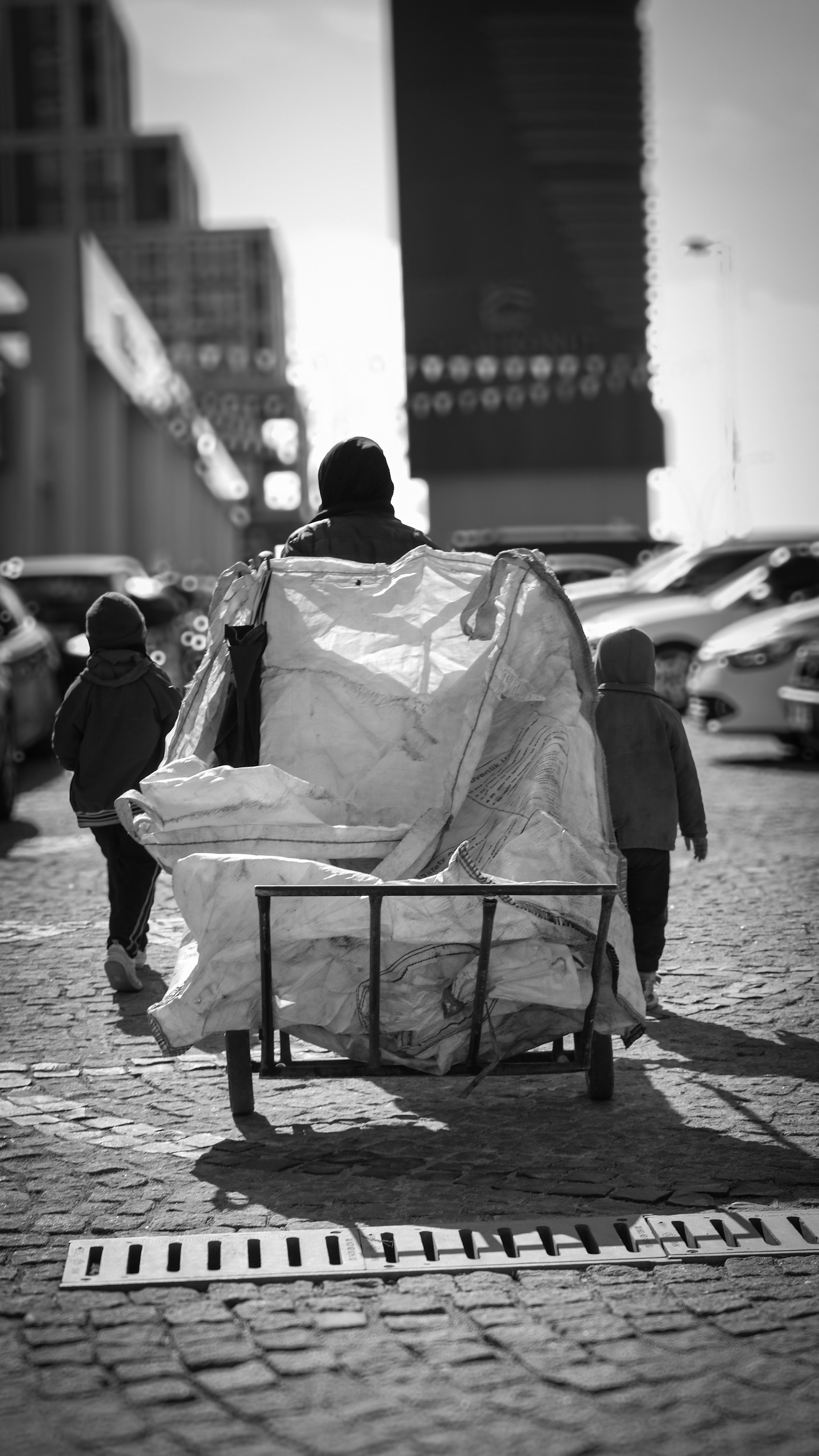
Child Poverty in Spain: A Generation at Risk of Being Left Behind
Spain remains one of the European Union countries with the highest levels of child poverty. Although the latest figures point to a modest improvement, millions of children and teenagers remain exposed to inequality, financial insecurity and a lack of opportunities.
By Juan Pablo Torrents-Faura
1,088 views
Child poverty remains one of Spain’s most pressing social challenges. Behind the economic indicators and growth figures lies a reality that directly affects the country’s future: children growing up in households struggling to meet their basic needs, and families forced to choose between essential expenses such as food, housing and school supplies.
According to a report on child poverty published by UNICEF Spain in 2025, 34.8% of children and adolescents in Spain were at risk of poverty or social exclusion, one of the highest rates in the European Union. Although some broader indicators have improved, the scale of the problem remains deeply concerning.
Child poverty is about more than a lack of income. It also means struggling to afford a balanced diet, living in adequate housing, accessing educational activities and participating fully in social life. Single-parent households, larger families and those dependent on precarious employment often face particularly difficult circumstances. High housing costs, job insecurity and rising everyday expenses can significantly reduce the resources available to raise children.
Moreover, having a job does not always guarantee financial security. Inadequate wages and unstable employment leave many families vulnerable, even when adults are working.
Inequality Begins in Childhood
The consequences of poverty can follow children for years. Limited financial resources can restrict access to extracurricular activities, academic support, digital devices and suitable spaces for studying. These disadvantages can affect educational performance and narrow future opportunities.
The problem extends beyond immediate financial hardship. Children growing up in disadvantaged circumstances may face greater obstacles to completing their education, securing stable employment and improving their living conditions.
Poverty can therefore become an intergenerational cycle. A child’s background and family income can ultimately determine opportunities that should depend on individual effort, abilities and aspirations. When disadvantage begins in childhood, equal opportunities become much harder to achieve. Breaking this cycle requires early intervention, sustained public investment and policies that recognize education, nutrition and housing as essential foundations for a fairer society.
Public Assistance: A Response That Remains Insufficient
Spain has introduced measures such as the Minimum Living Income (Ingreso Mínimo Vital) and the Child Assistance Supplement (Complemento de Ayuda para la Infancia) to help alleviate the financial difficulties faced by vulnerable households. However, the challenge is to ensure that these benefits reach every eligible family and provide meaningful support.
UNICEF Spain argues that reducing child poverty requires effective, long-term policies. Financial assistance is important, but it must be accompanied by measures addressing housing, education, work-life balance and access to decent employment. Simplifying administrative procedures, improving public awareness of available benefits and strengthening public services are also essential. Effective policies must address both children’s immediate needs and the structural factors that keep their families in vulnerable circumstances.
The latest figures from Spain’s National Statistics Institute offer a cautiously positive sign. In 2025, the AROPE rated the indicator measuring the risk of poverty or social exclusion—fell to 33.9% among children under 16, down from 34.7% in 2024. Nevertheless, the figures still indicate that approximately one in three children in this age group remain at risk of poverty or social exclusion.
The improvement is welcome, but it is not enough. Spain must make the fight against child poverty a political and social priority, supported by measurable targets, adequate funding and rigorous evaluation of results.
Ensuring that every child has enough to eat, a decent home and genuine educational opportunities should not be considered a privilege. These are fundamental conditions for equality.
A society cannot credibly claim to be progressing while a family’s economic circumstances continue to determine, to such a significant extent, its children’s future. Preventing an entire generation from being left behind requires institutional commitment, political responsibility and a long-term strategy.
Investing in children does more than protect the youngest members of society today. It also shapes Spain’s future prosperity, social cohesion and commitment to justice. The question is not simply how much it will cost to tackle child poverty, but how much the country stands to lose if it fails to act.