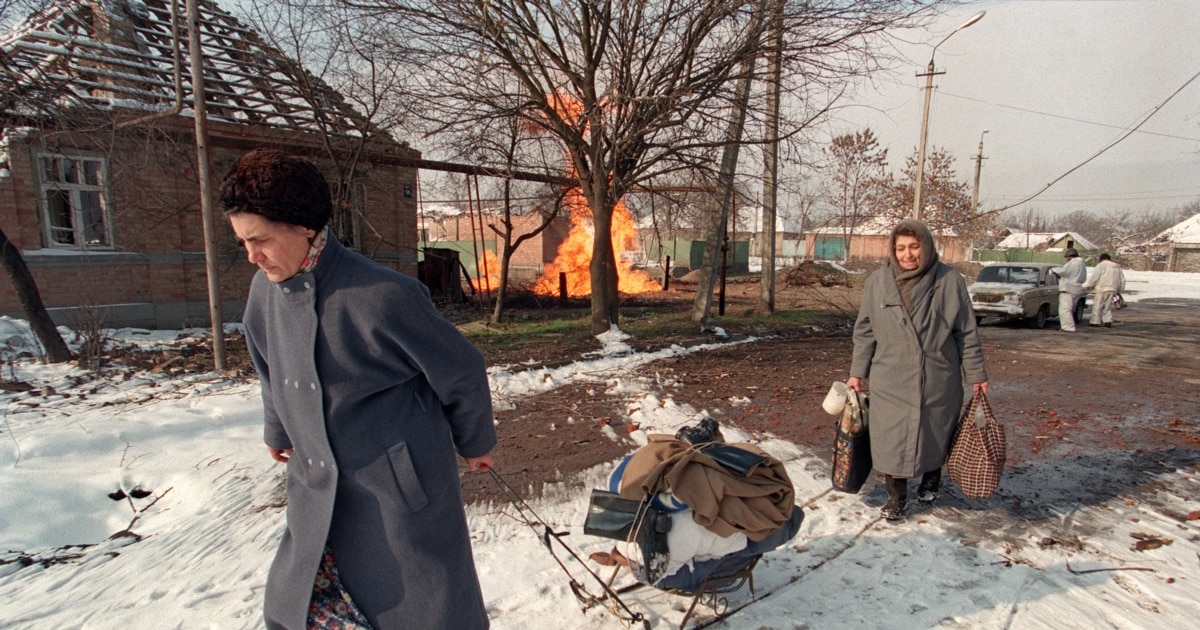
Chechen woman appeals to Russia’s Investigative Committee after being denied compensation in Ingushetia; rights group Memorial voices concern
A Chechen woman has publicly appealed to the head of Russia’s Investigative Committee after saying she was refused compensation and faced bureaucratic obstructions and discrimination in Ingushetia. The woman posted an approximately 20-minute video addressed to Alexander Bastrykin; the committee says it forwarded her complaint to its Ingushetia branch, while rights group Memorial warned the case reflects wider failures to compensate victims dating back to the 1998 crisis.
By Blake Marriott
834 views
A Chechen woman has petitioned Russia’s Investigative Committee and publicly appealed for intervention after alleging she was denied compensation and encountered persistent bureaucratic obstacles and discrimination in Ingushetia, according to a report published by Маршо Радио.
The outlet reported that on the 30th the woman sent materials to the national Investigative Committee and posted an approximately 20-minute video addressed directly to the committee’s head. In the video, she implored the top investigator for help. The report reproduces her appeal in Chechen: "Оха доьху хьоьга, Александр Иванович [Бастрыкин], даггара сатуьйсу оха хьан догцӀеналле, оьздангалле, жоьпалле, ахь и хаттар дӀадерзоре а, ГӀалгӀайчоьнан республикехь хуьлуш долчунна тидам баре а".
Маршо Радио said the Investigative Committee provided a comment indicating the materials had been received and forwarded to its Ingushetia branch for further review. The outlet said the video and accompanying documents were among the materials submitted to the committee.
The woman’s case, as presented in the report, centers on a claim for compensation that she says has been blocked by bureaucratic procedures and discriminatory treatment. The editorial materials received by Маршо Радио include statements that compensation has been withheld and that administrative barriers have prevented the claimant from securing a resolution. The report also notes references to a 2015 event in the woman’s account, though it does not provide full details of that background.
The report further notes that an Ingushetia court issued a ruling in 2026 related to the woman’s claim. It does not include the full text of the decision but states that the ruling addressed the matter raised by the claimant. Local court action and the transfer of the complaint by the central Investigative Committee to its Ingushetia office together indicate the matter is in active legal and administrative channels.
Rights group Memorial commented on the case, saying it highlights persistent problems in compensating victims of past crises in the region. Memorial drew a connection to the long-standing legacy of unresolved claims stemming from the 1998 crisis, arguing that many victims and their families continue to face legal and bureaucratic hurdles that obstruct access to compensation. The organization called for concrete measures to ensure restitution and to resolve outstanding cases.
The case raises broader questions about access to remedies for alleged victims of abuses and the responsiveness of state institutions in Russia’s North Caucasus republics. Observers and rights advocates often point to administrative complexity, documentation requirements and differentiation in treatment of claimants as factors that can impede victims’ ability to obtain reparations. The woman’s public appeal to the head of the national Investigative Committee underscores both the desperation and the lack of clear local remedies available in some cases.
Маршо Радио’s report does not identify the claimant by name. It quotes her statements and describes the administrative steps she has taken, including the submission of video materials and a formal complaint to federal investigators. The newspaper also summarized the response from the Investigative Committee and reported on Memorial’s remarks, without indicating any immediate payout or remedial action resulting from the court’s 2026 ruling.
The developments will be of interest to human-rights monitors and groups tracking victims’ access to compensation and state accountability in Ingushetia and neighbouring republics. The combination of a direct appeal to the head of the Investigative Committee, a local court decision, and commentary from a prominent rights organization highlights ongoing tensions over how historic and more recent grievances are addressed by Russian authorities.