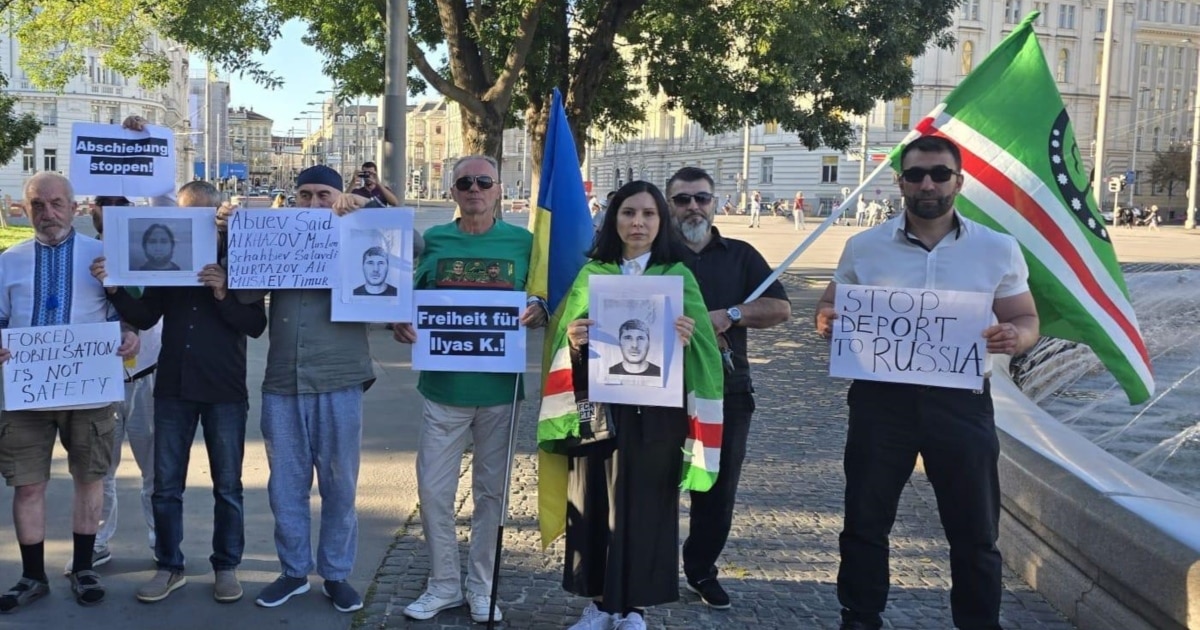
Chechen community members detained and reportedly deported in Germany; diaspora appeals for protection
Marsho Radio reports that German authorities carried out raids on the morning of the 14th resulting in detentions of people from the Chechen community in multiple locations, and that some individuals have been deported. Diaspora representatives and activists say the operations are widespread, have caused alarm, and they are urging European institutions and the OSCE to intervene and prevent returns that could endanger those deported.
By Clémence Desjardins
1,071 views
Marsho Radio reported that on the morning of the 14th German authorities conducted a series of raids targeting members of the Chechen community across several German cities. According to local sources cited by the outlet, a number of people were detained during early-morning operations, and some were reportedly deported.
Rozas Dunaeva, who spoke to Marsho Radio, described the operations as a series of mass actions carried out across Germany and aimed at people from the Chechen community. She told the station that teams of officials entered residences and removed people from their homes, and that those detained were in some cases taken out of the country. Dunaeva said the scale of the actions had created broad concern among the Chechen diaspora in Germany.
Dunaeva also said the raids did not appear to be limited to Chechens alone, and that people from neighboring countries such as Georgia, as well as some from Tajikistan and Uzbekistan, had also been affected. She warned that transfers carried out by German authorities could place those deported at risk if they were returned to Russia or to other countries where they fear persecution or reprisals.
Representatives of the Chechen diaspora named in the report — including community figures such as Alhazov Muslim (also referred to as Mubarik), and others identified as Abuevgieran, Murtazovgieran, Shakhbievgieran and Umarovgieran — expressed alarm about the detentions and deportations. They called on German authorities to halt any forced returns until guarantees of safety and due process could be provided. The diaspora representatives said they feared that people returned to Russia, or sent to other states in the Caucasus and Central Asia, could be subjected to persecution or other reprisals.
The article recalls that Alhazov Muslim has been an active voice in the Chechen diaspora. It notes that in 2018 he was the subject of police attention, with searches and official scrutiny reported at the time. The report says that those earlier events drew additional attention to his activism and to tensions between activists in the diaspora and law-enforcement agencies.
Diaspora leaders told Marsho Radio they had appealed to European institutions and to the OSCE, asking for urgent attention and intervention. They urged international bodies that monitor human rights and migration to press German authorities for transparency about the grounds for the detentions and deportations, and to ensure that returns do not violate international protection standards. The diaspora also expressed concern about the long-term consequences of such operations for Chechens living in Germany and elsewhere in Europe.
Marsho Radio, which is part of RFE/RL, published the account and linked to local reporting. The station’s coverage raises questions about the transparency of the actions taken on the 14th and whether those detained have access to legal counsel and independent oversight. Human-rights groups monitoring deportations and returns often emphasize that states must assess protection needs and the risk of onward transfer when considering removals to third countries or to states where individuals might face persecution.
The events reported by Marsho Radio underline the broader tensions affecting migrants and minority communities from the North Caucasus in Europe, and they have prompted calls for international scrutiny. Diaspora activists are continuing to seek support from European human-rights bodies and to demand that German authorities provide clear information about the legal basis for the detentions and the destinations and status of those who have been deported.