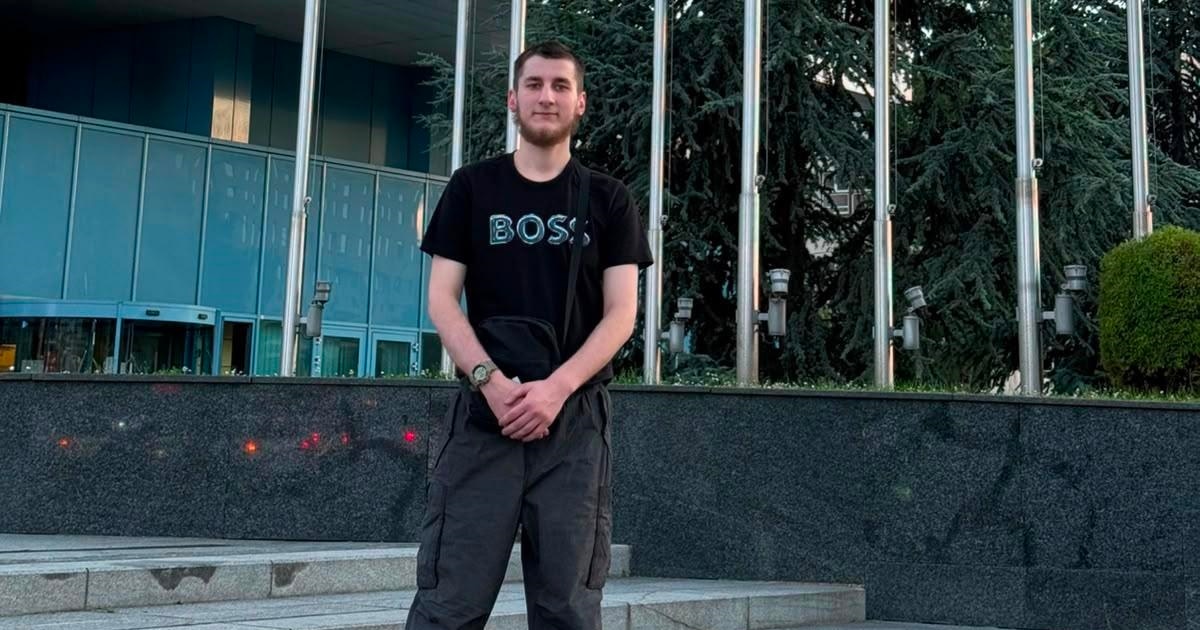
Chechen Activist Mohammad‑Emin Gatajazev Detained in Croatia as Extradition Request Fuels Diaspora Protests
Mohammad‑Emin Gatajazev, identified in local reporting as a Galgaychura activist, was detained in Croatia under circumstances that diaspora groups say relate to a Russian extradition request. Croatian authorities set an initial nine‑day detention while the request is considered; Gatajazev’s supporters held protests and his lawyers have petitioned to block extradition.
By Vanessa Bergmann
957 views
Mohammad‑Emin Gatajazev, identified in local reporting as a Galgaychura activist, was detained in Croatia after what diaspora representatives say was an action linked to a Russian request for his surrender. Local activists and members of the diaspora rapidly mobilized after news of his detention, staging protests and pressing Croatian authorities for his release while warning of the risks he could face if returned to Russia.
According to statements to the publication by Rozas Dunaeva, diaspora representatives told the editorial that Croatian authorities ordered an initial nine‑day detention for Gatajazev while they consider the legal and diplomatic aspects of the case. Dunaeva said the detention has prompted urgent concern among the community and that organizers have initiated protests calling for Gatajazev’s immediate release.
Dunaeva’s comments were published in the original language as part of the coverage, including the following quotation: "Сербихула йа цхьа кхечу некъашца иза Оьрсийчу дIавахийтарна кхоьрура тхо. Иштачу меттигашкахь шаьш лелориг цара къайладахьарна дуьнено Iалашван вогIучу стагана боккха кхерам лаьтта», - аьлла дийцина Дунаевас. The report carries this quote verbatim.
The article says Gatajazev had previously spent time in Bosnia and Herzegovina, and that Croatian authorities detained him while he was in their territory. Supporters, according to the report, fear that any extradition to Russia would place him at significant risk, and legal counsel for Gatajazev have reportedly filed appeals and petitions aimed at preventing his transfer abroad. The initial nine‑day detention period imposed by Croatian authorities appears to be a holding measure while those requests and legal challenges proceed.
Reporters placed the arrest in the context of other recent cases in which individuals wanted by Russian authorities were arrested abroad. The piece cites a 2024 case in which Croatian authorities detained Vladislav Arinichev at Russia’s request; Arinichev has been connected in media reports to the outlet "Вот Так". That case is presented by the reporters as an example of Croatia responding to foreign requests for detention and possible extradition, and it has heightened concern among diaspora activists and rights defenders about patterns of cooperation on such matters.
The report also warns more broadly about the risks faced by activists and nationals traveling through third countries and transit zones. It notes that similar detentions have occurred in other locations, including transit areas at airports, and highlights Kazakhstan and Astana airport’s transit zone as places where some activists have previously been held or where movement has been constrained. The article links these developments to wider migration and security practices, and to concerns that judicial or administrative procedures in third countries may be used to carry out politically motivated transfers.
The coverage does not provide a final legal outcome for Gatajazev’s case. It states that lawyers have taken steps to challenge any extradition decision and that diaspora groups continue to mobilize publicly to draw attention to his detention. Human rights advocates and legal observers typically warn that extradition requests originating from states with documented practices of persecuting political opponents require careful judicial scrutiny to ensure the rights of the person sought are protected.
The news item was published by Маршо Радио and carries a notice attributing the information to the outlet’s coverage. Further details on court proceedings, formal charges (if any), and responses from Croatian or Russian authorities were not included in the initial report; follow‑up reporting would be necessary to establish the legal grounds being cited for any extradition request and to confirm the current status of Gatajazev’s detention and appeals.