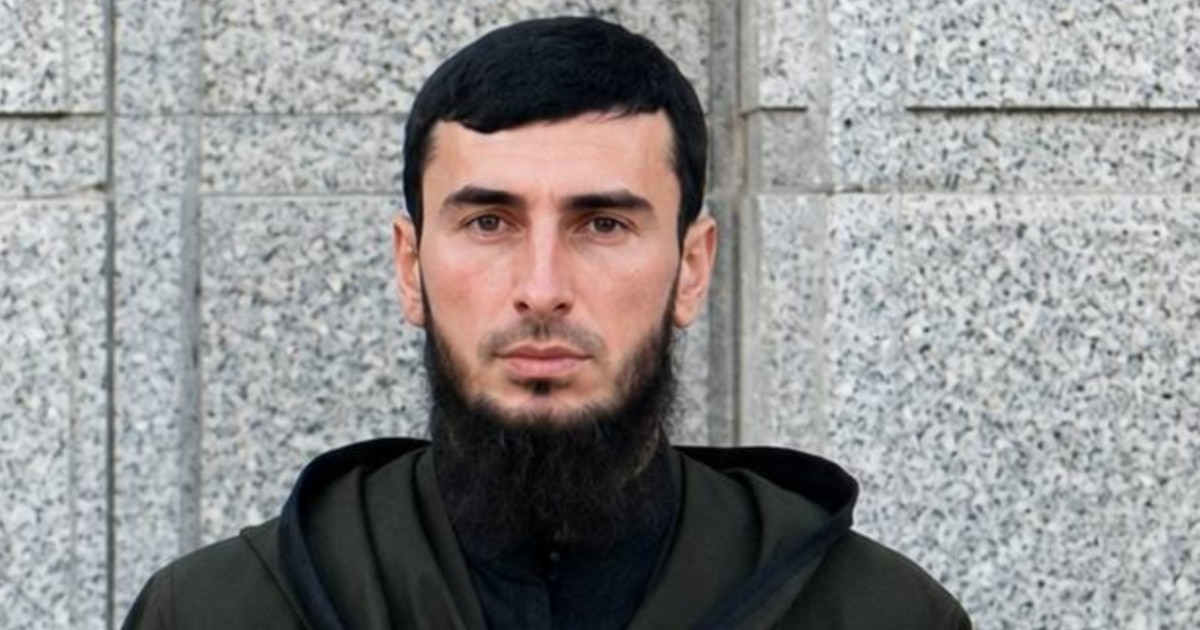
Chechen Activist Detained in Austria and Reportedly Handed Over for Extradition to Russia; Diaspora Mobilizes Across Europe
Ilyas Kagirmanov, a Chechen national, was detained at an Austrian airport and, activists say, transferred for extradition to Russia after roughly 11 days in custody. His case — involving unresolved migration status and blocked access to counsel, according to rights advocates — has prompted protests and coordinated action by Chechen communities across several European countries.
By Alexander Walter
929 views
Chechen activist Ilyas Kagirmanov was detained at an Austrian airport and, according to Chechen human-rights campaigners, was subsequently handed over for extradition to Russia. The case was reported by Radio Marsho and the Chechen rights group that identified itself as "ГӀалгӀайчоьнан маршонан Комитето," with Rozina Dunaeva among those publicly commenting on the developments.
According to the committee's account, Kagirmanov was arrested at an Austrian airport on the 29th of the month and was transferred for extradition after 11 days in custody. The activists say his migration status had not been granted; they also report that he had been in Ukraine prior to arriving in Austria. The group alleges that legal representation and access to counsel were obstructed during the process, and included a direct quote from Dunaeva about those restrictions: "Iуьйранна сатосучу хенахь дIавигинера иза, кхин аьлла хIума а доцуш, адвокате вистхила таро ца луш, йа сацамна дуьхьал латкъам а ца бойтуш".
The committee further alleges that Kagirmanov was physically handled at the airport by authorities, and that the circumstances of his detention and transfer raise serious concerns for his safety if he is returned to Russia. The activists say migration and police authorities in the countries involved acted quickly and that appeals for protection were not successful before the transfer took place.
Kagirmanov is identified by campaigners as a Chechen national. The committee said that he had previously been detained by police in connection with other incidents before his most recent arrest, and it framed the Austrian actions as part of a broader pattern of European states refusing protection or carrying out expulsions of Chechens who fear persecution in Russia.
The reported extradition has prompted a wave of responses from Chechen diaspora groups across Europe. Activists organized demonstrations in Vienna and staged a rally outside the Finnish embassy. According to the committee, Lithuanian authorities also reviewed related asylum claims and decisions were pending or under appeal in some cases. In Croatia, the committee reported detentions at the Kutina reception center and said around 20 people there faced restrictive measures; details were provided by Dunaeva and the committee as part of their account of broader pressure on Chechen migrants.
Rights advocates warn that extraditions of Chechens to Russia carry grave risks, citing past reports of persecution, arbitrary detention and other human-rights abuses against critics and perceived opponents. The committee's description of restricted access to lawyers and expedited transfers will likely raise concerns among refugee-rights organizations and bodies that monitor compliance with international protections against refoulement.
Radio Marsho's report cites the committee and diaspora activists as its primary sources. The campaigners called on European governments and migration services to halt transfers that could expose asylum-seekers to torture, arbitrary detention, or political persecution, and they have urged closer scrutiny of extradition requests involving Russian authorities. The matter remains contested and officials in Austria and other states named in activists' accounts have not been quoted in the committee's public statement as reported by Radio Marsho.
As the case develops, human-rights groups and legal advocates will likely press for access to information about the legal basis for the transfer, the handling of asylum applications in Kagirmanov's case, and whether international protections against the return of individuals to countries where they face serious harm were fully respected. The reported mobilization by Chechen communities across several countries underscores continuing anxieties about extradition and asylum processes affecting people from the North Caucasus region.