Central Asia’s push for an ‘Asian Schengen’ runs into security and political barriers despite tourism gains
Central Asian governments are promoting the idea of a unified visa and simpler border procedures to expand tourism, but longstanding security concerns, internal travel restrictions and the closed policies of some states threaten to undermine those plans. Tour guides and tourism officials say a common visa could unlock regional travel for visitors and boost local economies, while analysts warn intelligence and law-enforcement agencies remain reluctant to loosen controls.
By Blake Marriott
1,065 views
Central Asia’s governments are increasingly talking about easing border controls and creating a single visa to attract more foreign tourists, but deep-rooted security concerns, domestic travel restrictions and the closed policies of some states in the region are likely to limit how far integration can go.
Local guides and tour operators say the economic and cultural benefits of freer movement would be immediate. "Если мы будем сотрудничать с туроператорами из соседних стран и укреплять региональную интеграцию, этнотуризм может развиваться еще лучше. В этом случае мы могли бы организовывать этнические туры по Центральной Азии", says Kyrgyz guide Bermet Tursalieva, who runs hiking trips in the country’s mountains. She and others point to social-media trends that highlight yurts, horseback riding and remote mountain treks as evidence of rising interest in multi-country trips across the five Central Asian states.
Tourism officials and analysts note that most visitors who make the long journey to the region want to see more than one country. "Люди, приезжающие сюда, обычно хотят посетить две или три страны одновременно," said Kazakh tourism expert Erkin Tikenov. High airfare costs and long travel times make a combined itinerary attractive, and many local destinations — from historic Silk Road sites in Uzbekistan to the mountains of Kyrgyzstan and cultural sites in Tajikistan — could be packaged together to extend tourist stays and spending.
The benefits are not purely anecdotal. A study presented in June 2026 by the World Travel & Tourism Council found the sector’s contribution to Central Asia’s GDP rose from $6.7 billion in 2020 to $20.1 billion in 2025. Kyrgyzstan’s tourism agency chief, Eduard Kubatov, told RFE/RL that governments are negotiating a unified visa system and streamlined border procedures. "Это укрепит экономическую, социальную и культурную интеграцию Центральной Азии и облегчит безопасное пересечение границ. Сейчас мы ведем переговоры с Узбекистаном; они готовы оказать поддержку. Мы также ведем переговоры с Казахстаном и Таджикистаном," he said.
But political realities and security institutions have repeatedly blocked deeper integration. The idea of an "Asian Schengen" was first floated by Kazakhstan in 2018 as a way to let foreigners move freely between Kazakhstan, Kyrgyzstan, Uzbekistan, Tajikistan and Turkmenistan on a single permit. Progress has been fitful: only in 2025 did the region resolve a long-disputed three-way border with a treaty between Uzbekistan, Tajikistan and Kyrgyzstan, underscoring how even basic territorial disputes have slowed cooperation.
Security and intelligence services remain a serious constraint. "В то время как президенты на словах говорят 'да, да', правоохранительные и разведывательные органы… похоже, неохотно это делают," Tikenov said, reflecting a common view in the industry. Glasgow University Eurasian studies scholar Luka Ancheski notes that free movement among citizens exists only between Kazakhstan and Kyrgyzstan through the Eurasian Economic Union; he argues that any common visa would likely have to apply equally to Central Asian citizens and foreigners to be viable. "Такая система должна применяться одинаково как к гражданам Центральной Азии, так и к гражданам других стран," he said.
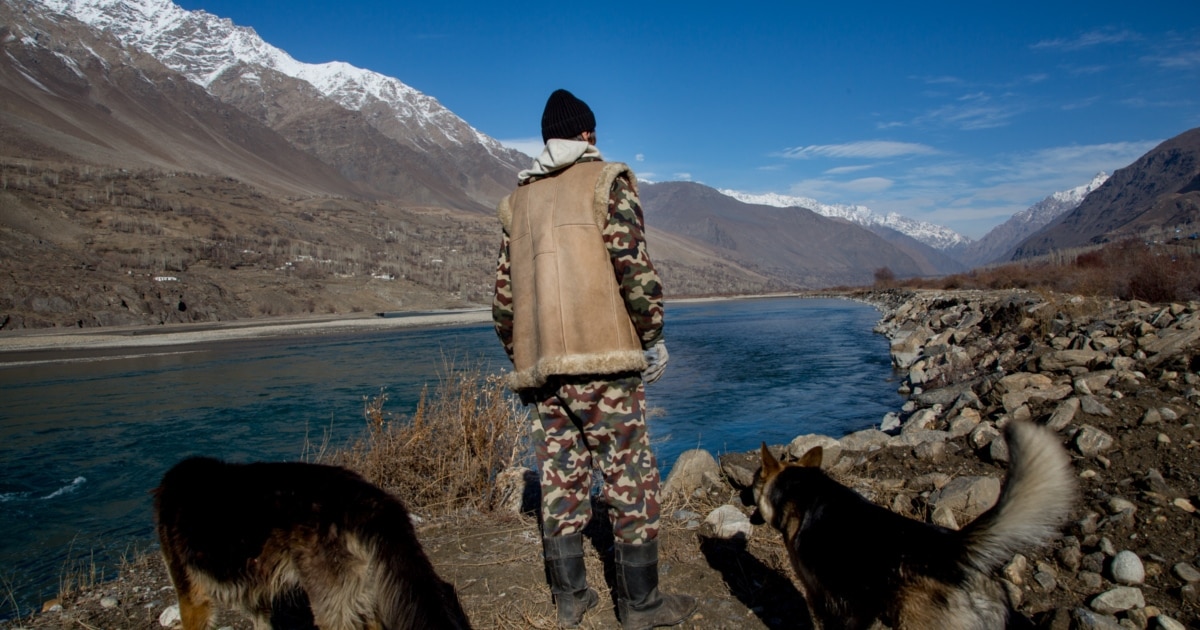
Experts also point to specific internal controls that complicate travel. In Tajikistan, access to the vast Gorno-Badakhshan Autonomous Region requires a special permit even for visa-free entrants, and additional permissions are needed to reach lakes such as Zorkul and Sarez. In Turkmenistan, the introduction of e-visas in early 2025 has not translated into a clear tourism boom; visitors report strict limits on photography and movement, and frequent arbitrary denials of entry. "Туркменистан вряд ли присоединится к такой схеме," security analyst Edward Lemon told RFE/RL. "Он остается одной из самых закрытых стран мира, и въехать туда очень сложно. Таджикистан также использует безопасность границ как причину, по которой посещение страны относительно затруднено."
For tour operators and rural communities that stand to gain, the current patchwork of stamps, permits and in-country restrictions creates long queues and logistical headaches. Guides based in border regions such as Osh emphasize how easily travelers could combine crossings into longer itineraries — if only the bureaucratic and security impediments were eased. Whether political leaders and security services can be persuaded to balance economic gains from tourism against perceived threats to control remains an open question, and one that will determine how far — and how fast — Central Asia can open itself to visitors from around the world.