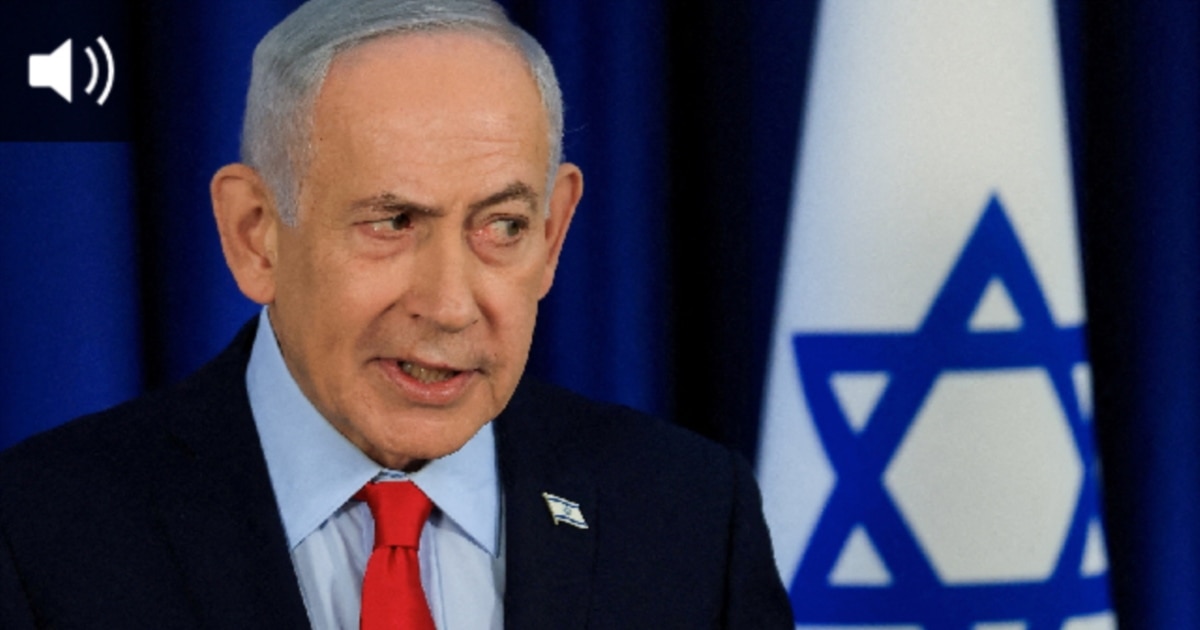
Can Netanyahu Hold On? Israelis Vote in Knesset Elections — First Nationwide Ballot Since Oct. 7 Attacks
On Tuesday, October 27, Israelis went to the polls in Knesset elections that mark the first national vote since the October 7, 2023 attacks. The outcome is widely framed as a test of Prime Minister Benjamin Netanyahu's grip on power amid an ongoing security crisis and heightened scrutiny of political and institutional accountability. The Radio Svoboda digest covering the vote also reported related international and regional developments affecting democracy and press freedom.
By Clémence Desjardins
1,026 views
Israel held nationwide elections for the Knesset on Tuesday, October 27, in a vote described in a Radio Svoboda news digest as the first such ballot since the tragic events of October 7, 2023. The election comes against the backdrop of an ongoing security crisis that has reshaped Israel’s political landscape and placed questions about leadership, accountability and democratic resilience at the center of public debate.
At the core of the contest is whether Prime Minister Benjamin Netanyahu can retain his hold on power. The vote is being watched closely both inside Israel and internationally because it takes place in wartime conditions and against a polarized domestic environment in which questions of governance, civil liberties and the balance of democratic institutions have been prominent themes. For many voters, the election is not only a choice about ordinary policy differences but a referendum on how the country should be led and how it should respond to security challenges.
The Radio Svoboda digest presenting these developments was hosted by international correspondent Andrey Sharogradsky. In addition to the Israeli vote, the program summarized other international and regional stories that intersect with issues of conflict, diplomacy and media freedom.
In a separate diplomatic development, the prime ministers of Norway and Finland spoke by telephone with Russian President Vladimir Putin, according to the digest. While details in the bulletin were brief, the calls were presented in the context of ongoing international engagement and diplomatic efforts related to regional security.
The digest also reported a temporary ceasefire coming into effect in Aleshky. That pause in hostilities was described as a limited, interim measure; the announcement underscores the fragility of local security situations in conflict-affected areas and the importance of ceasefire arrangements for protecting civilians and enabling humanitarian access.
Press freedom and the role of public broadcasters were prominent themes in other items summarized in the program. Public Television in Serbia issued an apology for what it described as unbalanced or biased coverage of events, a rare public concession that highlights ongoing debates about media impartiality and editorial standards in the region. In the Czech Republic, citizens protested plans by the government to shift financing for public television and radio to the state budget — a move critics argue could undermine the editorial independence of public media by increasing political control over funding.
Taken together, the episodes outlined in the digest illustrate broader concerns about democratic governance, accountability and the protection of civil liberties across multiple countries. The Knesset election in Israel, in particular, is being framed not only as a routine transfer or affirmation of power but as a barometer of how democratic institutions perform under sustained stress. Observers and voters alike are attentive to whether elected leaders will be held accountable, how policy and security decisions will be made, and what implications the result will have for civil society and media freedom.
The Radio Svoboda digest, which offers concise coverage and commentary on these developments, underscores the interconnectedness of elections, conflict, diplomatic engagement and media pluralism in shaping the prospects for rights and freedoms in the affected countries. As results from Israel’s vote are compiled and reactions unfold, the international community and local stakeholders will be watching closely for signals about the direction of governance and the resilience of democratic norms.
Note: This report is based on a Radio Svoboda news digest broadcast on Tuesday, October 27 and incorporates the items highlighted in that program. It focuses on the political and human-rights implications of the election and related regional developments rather than on detailed electoral mechanics or speculative outcomes.