Calm After Two Nights of Strikes: U.S. Maintains Military Readiness While Prioritizing Diplomacy with Iran
After two nights of reciprocal strikes between U.S. and Iranian forces, the Middle East was relatively calm on Friday even as American troops stayed at high readiness and Washington signaled a diplomatic priority. Iranian officials reported civilian casualties from U.S. strikes, while Tehran said it struck U.S. facilities in nearby Gulf states; regional actors have intensified contact with both capitals.
By Blake Marriott
1,021 views
Following two consecutive nights of military strikes between the United States and Iran, the immediate security situation in parts of the Middle East was reported as calm on Friday, even as the risk of further escalation remained. U.S. officials, according to CNN sources cited in reporting, have kept American forces on a high state of readiness while the Trump administration has for the moment placed a premium on diplomatic avenues to reduce tensions.
CNN sources told the network that while the Pentagon has prepared contingency plans to carry out additional strikes against Iranian targets if required, Washington’s current posture combines limited military operations with diplomatic engagement. One source characterized the U.S. approach as alternating ‘‘məhdud hərbi əməliyyatlar’’—limited military action—with diplomatic pauses, underscoring that military options remained on the table even as negotiators sought technical consultations on Iran’s nuclear program.
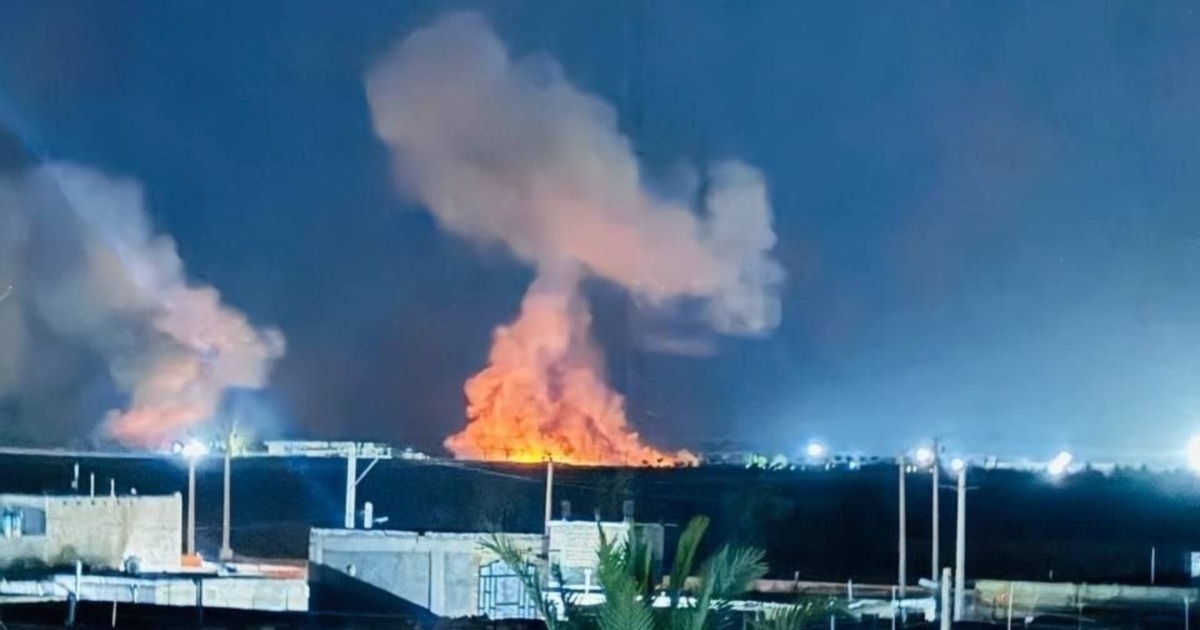
The recent cycle of escalation began after Iranian forces struck three tankers in the Strait of Hormuz, an attack that prompted U.S. retaliation. U.S. strikes on Iranian territory during Wednesday and Thursday nights were reported to number as many as 170 strikes, according to the original report. Iran’s Health Ministry attributed the attacks to U.S. operations and said 17 people were killed and 93 were wounded. Those casualty figures have significant human rights implications, raising questions about civilian harm and the need for full, transparent investigations.
Iran in turn said it carried out strikes against American facilities and military bases in Kuwait, Bahrain and Jordan. On Thursday midday, some Iranian media outlets reported additional U.S. strikes inside Iran; the White House and U.S. officials subsequently denied those particular claims. The conflicting reports and denials underline the opacity that can surround wartime reporting and the challenges of independently verifying battlefield claims.
Beyond the immediate combatants, the wider region has been engaged in intensive diplomatic activity. The U.S. Central Command (CENTCOM) stated that since early May it has ensured the safe passage of over 800 commercial vessels through the same international trade corridor and facilitated the transport of roughly 380 million barrels of oil—numbers invoked to emphasize continued commercial and navigational commitments amid heightened tensions. Separately, the news portal Axios reported that Qatar, Pakistan, Turkey, Egypt and Saudi Arabia have recently held intensified contacts with both Washington and Tehran, seeking to reduce the risk of further escalation.
Political and intelligence links have also surfaced in reporting. On the evening of July 9, U.S. President Donald Trump spoke by phone with Israeli Prime Minister Binyamin Netanyahu; an Israeli government office said the leaders agreed to continue close coordination across "various fronts." CNN added that Israeli intelligence had shared information with Washington alleging an assassination plot against Trump, an assertion that the networks said they had been briefed on by U.S. and allied sources.
Amid the external tensions, domestic developments in Iran noted in the reporting may further shape internal dynamics. The article states that a weeklong funeral in Mashhad concluded on Friday for Iran’s supreme leader, Ali Khamenei, and members of his family—reporting that the ceremonies featured anti-American slogans and that some participants carried placards with threats directed at President Trump. It also notes that Khamenei’s son and reported successor, Mujtaba Khamenei, did not appear publicly during the ceremonies. The New York Times was cited as reporting that Mujtaba avoided the funeral for fear of a potential Israeli strike, and that his absence has contributed to uncertainty about the country’s emerging leadership after the reported February 28 incident.
The recent exchange of strikes, the reported civilian casualties, reciprocal attacks on U.S. facilities in Gulf states, and the flurry of diplomatic outreach by regional actors collectively illustrate how quickly localized incidents can broaden into a regional security crisis with important human rights and accountability dimensions. Independent verification of strike locations, casualty figures and the chain of command for targeted operations will be essential for assessing potential violations of international humanitarian law and for any subsequent demands for accountability. For now, Washington’s decision to publicly emphasize diplomacy while keeping military options ready reflects an attempt to manage escalation even as the humanitarian and political consequences of the strikes continue to unfold.