California Assembly Approves AB 2624 Expanding Safe at Home Protections; Critics Warn It Could Curb Investigative Reporting
The California State Assembly on Tuesday approved AB 2624 by a 57-19 vote, a bill that would expand confidentiality protections under the state's Safe at Home program to include certain immigration support service providers. Supporters say the measure is intended to protect service providers from harassment; critics, including independent journalist Nick Shirley, say the bill could be used to limit reporting on alleged fraud and to impose civil and criminal penalties on those who publish identifying information.
By Jim Hᴏft
862 views
The California State Assembly voted 57-19 on Tuesday to advance Assembly Bill 2624, a measure that would expand confidentiality protections under the state’s Safe at Home program to a broader set of immigration support service providers. The bill, introduced by Assemblywoman Mia Bonta, now moves to the state Senate; if it clears that chamber it would go to Governor Gavin Newsom for signature before becoming law.
Supporters of AB 2624 have argued the bill is necessary to protect organizations and workers who provide services to immigrant communities from harassment and threats. The legislation would allow qualifying providers to seek confidentiality protections similar to those available to survivors of domestic violence and other abuse under the existing Safe at Home program, according to proponents.
Opponents and some independent journalists contend the bill could have the effect of restricting investigative reporting and public documentation of alleged wrongdoing at nonprofit service providers. Critics contend the language could be used to prevent the publication of photographs, videos and location information that identify employees and facilities, and could expose those who publish such material to fines and criminal penalties.
Independent journalist Nick Shirley, whose reporting on alleged fraud has been cited by critics of the bill, said the legislation targets his work. Shirley has drawn attention for investigations that, according to the reporting cited by critics, uncovered more than $110 million in alleged Somali-run daycare fraud in Minnesota, where investigators say centers billed public funds while operating with few or no children present. He has also reported on alleged daycare and hospice fraud in California, including what he and others described as ghost operations in Los Angeles that they say were tied to questionable billing to Medi-Cal and Medicare.
Critics of AB 2624 say that under the bill, if organizations claimed they had a “reasonable fear” of harm, videos and images documenting alleged improper activity could be subject to removal and the individuals who gathered them could face legal action. The bill’s potential sanctions have been described by opponents to include civil fines in the thousands of dollars per violation and criminal misdemeanor charges; the Assembly vote itself featured vocal objections from those who said the measure would chill reporting and citizen oversight.
Assemblywoman Mia Bonta is the bill’s sponsor; she is married to California Attorney General Rob Bonta, a fact noted by observers and critics as they weigh the measure’s political context. Supporters emphasize the bill’s stated aim to protect vulnerable workers and service providers who assist immigrants, while opponents continue to press for amendments or clarification that would preserve the ability of journalists and private citizens to document and report suspected fraud or other illegal activity.
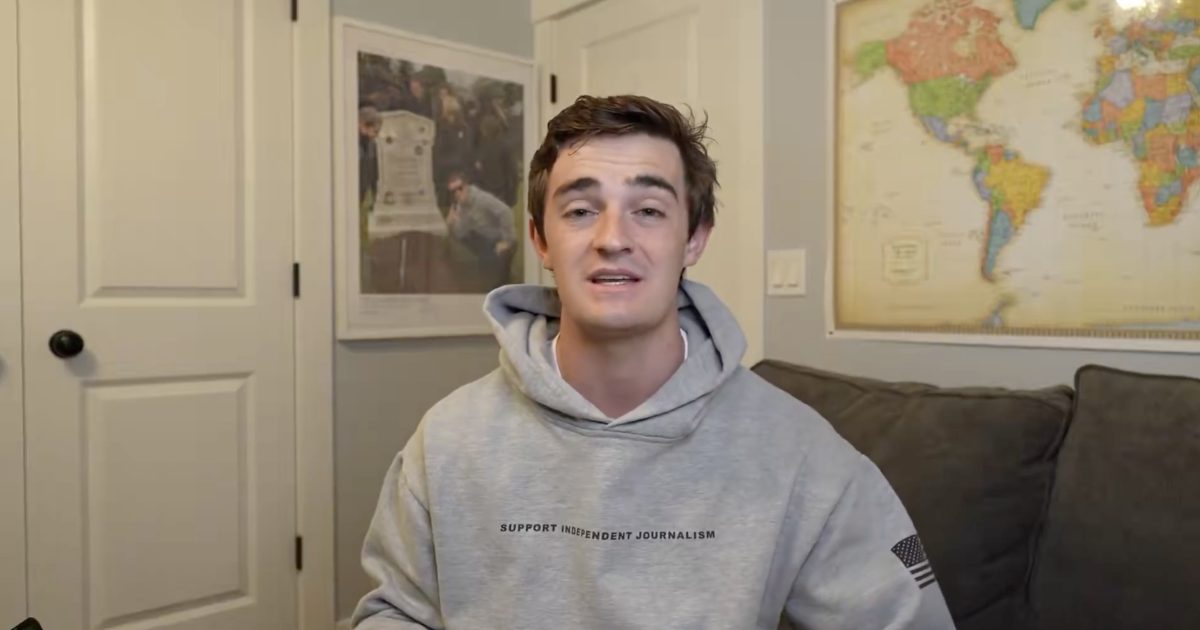
After the Assembly vote, independent reporter Nick Shirley posted a video statement on X addressing the legislation and its implications for his work. His post read in part: "🚨 California Passed “The Stop Nick Shirley Act": This week the California Assembly passed AB 2624. This bill will criminalize investigative journalism involving the immigrant population. It would have made it illegal to expose the Somali “Learing” center if it were in California… pic.twitter.com/5Uk9c0KaZl" The bill’s future will be decided in the Senate, where its language and the scope of protections and penalties are expected to be the subject of continued debate among lawmakers, advocates and members of the press.