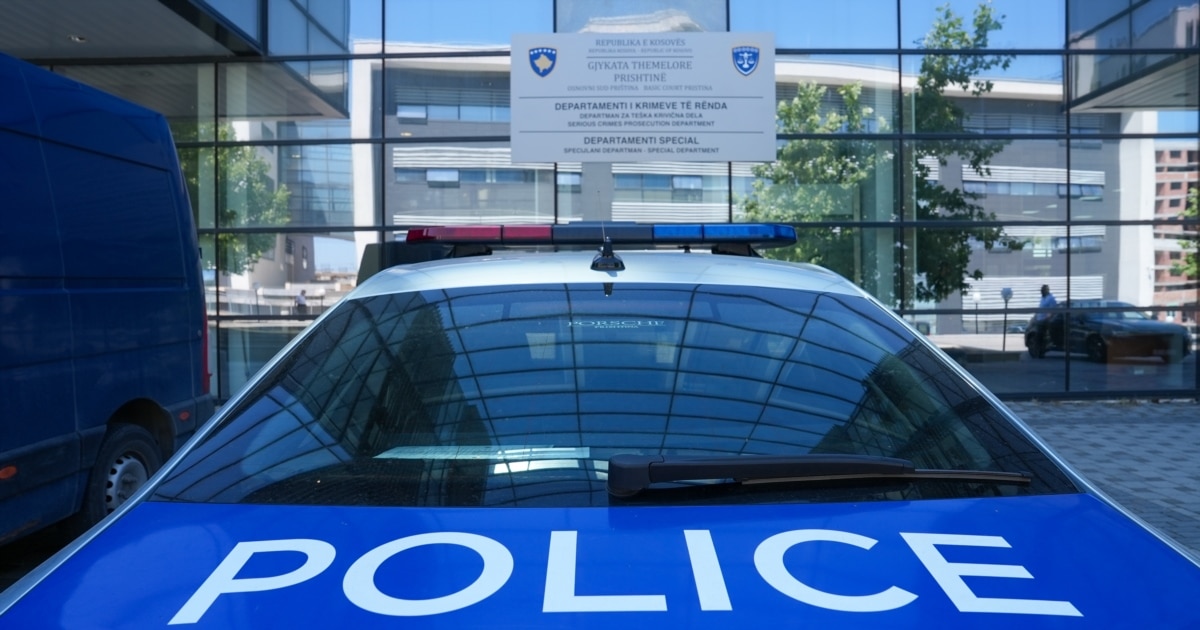
Bosnian preacher Elvedin Peziq escorted by Kosovo police ahead of planned book event in Peja
Kosovo police escorted Bosnian Islamic preacher Elvedin Peziq to a Pristina station for questioning and identity verification on the day he was due to attend a book-promotion event in Vitomiricë, Peja municipality. Organisers said Peziq entered Kosovo legally; another visiting preacher, Mithad Qeman, was briefly detained and released. The incident has prompted questions about permits for foreign religious speakers and the balance between public order and freedom of expression.
By Vanessa Bergmann
877 views
A Bosnian Islamic preacher, Elvedin Peziq, was escorted on Thursday by Kosovo police for what authorities described as an informative interview and identity verification ahead of a planned event in the Vitomiricë area of Peja municipality, organisers and local media reported.
Rexho Kojiq, of the non-governmental organisation Vullnetarët e Rinj (Young Volunteers), which had organised the event where Peziq was scheduled to appear, confirmed the move to Radio Evropa e Lirë. Kojiq said Peziq was transferred to a police station in Pristina and that the order to detain him for questioning had come from the capital. According to Kojiq, Peziq entered Kosovo around midday through the Kulla border crossing with Montenegro using documents from Bosnia and Herzegovina.
Kojiq told Radio Evropa e Lirë that another visiting Islamic preacher, Mithad Qeman, had also been escorted by police but was released immediately. On the case of Peziq, police informed organisers that there was no need for a lawyer and that he would be held for up to six hours for identity verification, he said.
Organisers said the visit was intended primarily as a book promotion and lecture tour. Kojiq said police had asked whether organisers had permission from the Bashkësia Islame e Kosovës (Islamic Community of Kosovo) to hold the event. He rejected the notion that such a permit was necessary in this instance, saying Peziq “nuk është hoxhë në ndonjë xhami” and that the planned activity was limited to promoting a book. Kojiq added that, as organisers, they were aware of Peziq’s activity and did not consider him a threat: “Po të kishte pasur çfarëdo indikacioni për diçka të tillë, ne nuk do ta kishim mbështetur një tubim të tillë.”
Radio Evropa e Lirë said it had sought comment and confirmation from the Police of Kosovo but had not received a response by the time of publication.
Elvedin Peziq is well known across the former Yugoslav region for his online presence and religious lectures. He is often described as a conservative preacher who identifies with Salafi teachings. The article notes that he is regarded as one of the better-known “da’i” (persons who invite others to Islam) in Bosnia and Herzegovina and has large followings on platforms such as Facebook, where he reportedly has more than 300,000 followers. The original coverage includes the term “selef” and explains: “Fjala “selef” në gjuhën arabe e ka kuptimin “të parët” dhe u referohet tri gjeneratave të para të myslimanëve…”
Peziq’s public statements have previously drawn criticism in Bosnia. The Bashkësia Islame e Bosnje e Hercegovinës publicly responded to a post by Peziq in which he said that “shoqëria perëndimore është rrënuar moralisht” when women “ishtë nxjerrë nga shtëpia” and became “gjithçka, përveçse nënë.” The Bosnian Islamic Community stated these views were not in line with Islamic teachings on the rights and responsibilities of Muslim women. Public debate in Bosnia has frequently criticised Peziq’s positions.
Organisers said Peziq and Qeman had been scheduled to promote their books in Vitomiricë (Peja municipality) and Dobrushë (Istog municipality) on the day of the police action, and a similar event was planned for Reçan in the Prizren region the following day. The police action and questions about permits for foreign religious speakers underline tensions between authorities’ duty to ensure public order and the rights to freedom of assembly and expression. Whether Kosovo authorities will pursue further measures in relation to Peziq’s talks or require formal approvals from religious institutions remained unclear at the time of reporting.