Body of abused woman who disappeared after divorce still missing as sister demands children be removed from suspect family
Mekiye Akyel vanished on 18 October 2024, a day after divorcing her husband, after travelling to retrieve her children amid sustained threats and abuse. Three male relatives have been arrested on suspicion of intentional killing, but despite witness accounts and HTS records placing Mekiye at the same location as suspects, searches have not recovered her body and her sister is calling on authorities to remove the children from the family she accuses of killing their mother.
By Evrim Kepenek
1,175 views
The search for 30-year-old Mekiye Akyel continues weeks after she disappeared on 18 October 2024, a day after the single-judge divorce that severed her marriage. Mekiye, who by official registry appears as 30 but was married at 17 after moving from Bitlis to Siirt, had spent years trying to escape a pattern of systematic violence by her husband and his relatives. She repeatedly sought refuge in state-run women’s shelters in Siirt and Batman and had been working in a restaurant in Batman while pursuing custody of her children.
According to criminal investigators and family statements made public through media interviews, Mekiye travelled on 18 October to the Veysel Karani area of Siirt to collect her children amid escalating threats. HTS (cell site) records cited by prosecutors place Mekiye’s mobile phone transmitting from the same location as her ex-husband İ.G. and other family members that evening; after that point her phone went unanswered and no confirmed trace of her has been established.
Prosecutors have detained three men from the wider family on suspicion of "kasten öldürme" (intentional killing): the ex-husband İ.G., a brother-in-law H.G., and the father-in-law, also identified as İ.G. They were remanded in custody and sent to prison pending further inquiry. Other relatives remain at liberty, and the detention of the three has not ended questions about wider family involvement nor has it yielded Mekiye’s remains.
Witness testimony entered into the investigation states that a tandır (traditional oven) belonging to the suspect family was tended through the night and burned until morning on the night Mekiye disappeared. Investigators say this has led them to consider the possibility that a body could have been destroyed to conceal a crime, though searches conducted so far—including excavations of stream beds with heavy machinery—have not produced a body.
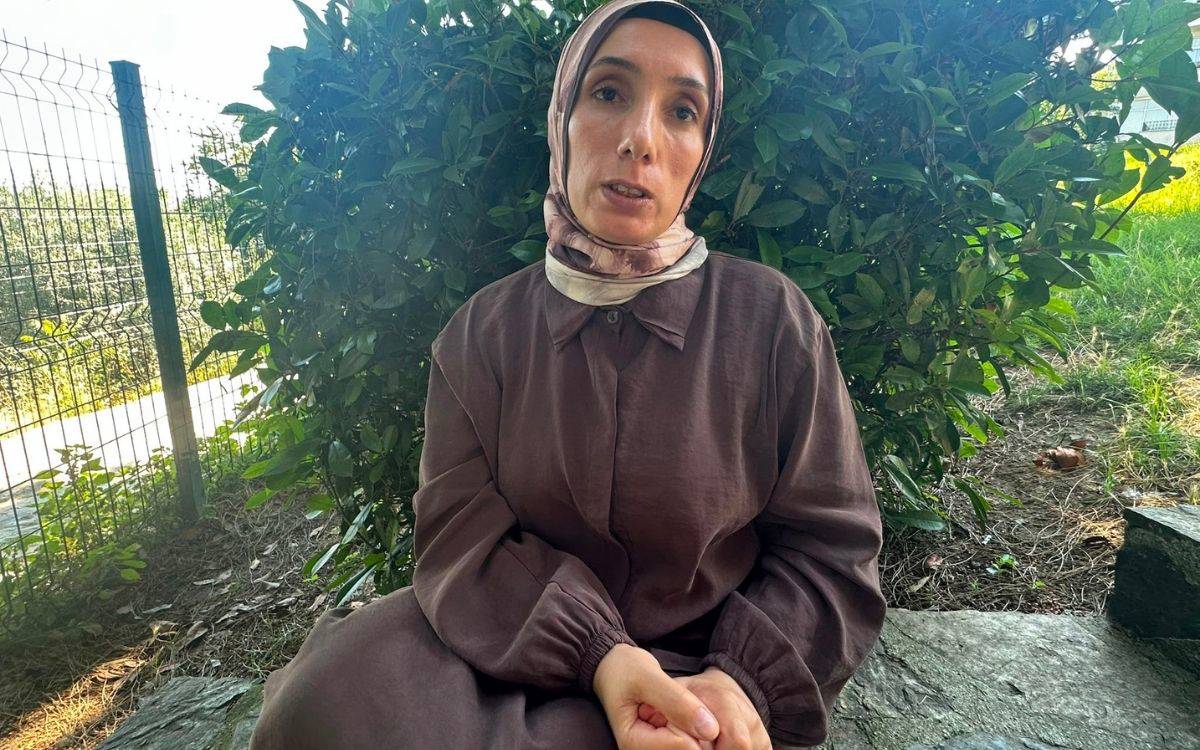
Mekiye’s older sister, Halime Pilgir, has emerged as a vocal campaigner demanding both accountability for those suspected in her sister’s disappearance and immediate protection for the four children. Pilgir says she has been targeted with threats by relatives of the suspects, receiving messages that include graphic warnings. She told bianet that a court issued a protective restraining order for her, yet threats have continued: "Dilin yüzülecek, dilin kopartılacak," she reports, and she says journalists and jandarma personnel involved in the case have also been taunted by suspects’ supporters.
Pilgir has repeatedly called on the Aile ve Sosyal Hizmetler Bakanlığı to remove Mekiye’s children from the household of relatives who are under suspicion. "O çocukları, o yavruları bize teslim edin!" she said, arguing that the children are not safe where they are and that she has been repeatedly sent photos and subjected to psychological abuse by people connected to the suspect family. Pilgir framed her demand as urgent: she wants the state to assume protective custody or otherwise ensure the children’s safety while the criminal case proceeds.
The case has highlighted persistent concerns about the protection available to women attempting to leave abusive relationships in Turkey, and the effectiveness of state mechanisms—police, shelters, and social services—in preventing escalation to lethal violence. Mekiye’s history of seeking refuge in shelters, threats against her while in protective accommodation, and the alleged use of her children as leverage in coercion underline systemic gaps that rights advocates say need addressing.
Investigators report that several suspects have invoked their right to silence and denied involvement, but the lack of a recovered body complicates both the criminal investigation and the family’s ability to mourn. Pilgir has said the family’s most basic demand is to know where Mekiye is and to be allowed to bury her: "Bize kardeşimizin nerede olduğunu söylesinler. ... Kardeşimin kemiklerini bile olsa bana versinler." Until Mekiye’s remains are found or the investigation produces conclusive forensic evidence, the case remains an acute example of the intersection of gender-based violence, enforced disappearance, and the state’s responsibilities to protect victims and their children.