Bipartisan U.S. congressmen warn against pressure on Memorial Centre Srebrenica after police summons of staff
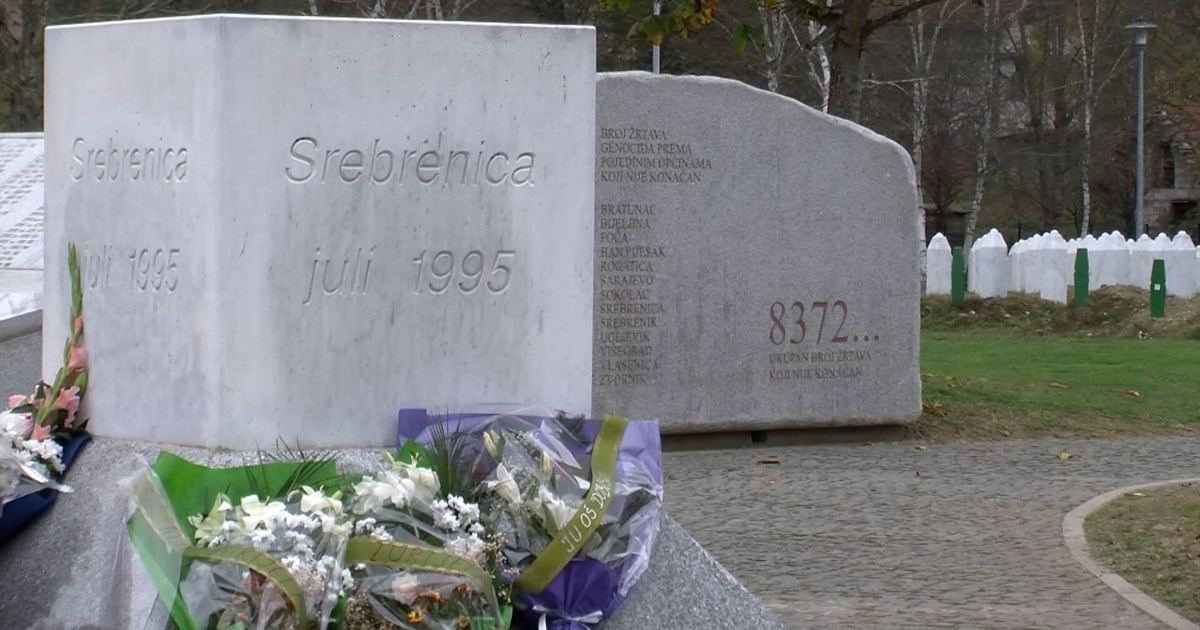
Two U.S. congressmen, who co-chair the Bipartisan Congressional Bosnia Caucus, have expressed serious concern after 26 current and former employees of the Memorial Centre Srebrenica were called for questioning by authorities in Zvornik. Their statement calls on Bosnian institutions to uphold the rule of law, protect institutional independence and ensure the Centre can continue documenting the 1995 genocide without fear of intimidation.
By Christopher Manley
891 views
Two United States members of Congress — Democrat Wesley Bell and Republican Ann Wagner — have issued a joint statement expressing alarm over what they described as mounting pressure on the Memorial Centre Srebrenica-Potočari and its staff, following the police summons of 26 current and former employees. The summonses, issued by the Police Department in Zvornik, have prompted a public reaction from the lawmakers, who co-chair the Bipartisan Congressional Bosnia Caucus in the U.S. House of Representatives and both represent parts of the St. Louis area in Missouri.
In their joint statement, Bell and Wagner said they were "duboko zabrinuti" about reports that current and former employees were being called for questioning by authorities in Republika Srpska. They framed the sequence of events as problematic given the Memorial Centre’s central role in preserving historical facts, honoring victims and safeguarding human rights. The lawmakers urged Bosnian institutions to ensure that the rule of law is respected and that independent institutions are protected from political interference.
The congressmen specifically called on authorities to allow the Memorial Centre to carry out its work "without fear of intimidation". The joint message from Bell and Wagner echoes concerns raised days earlier by a bipartisan group of U.S. senators and representatives who urged the administration of then‑President Donald Trump to reimpose sanctions on officials from Republika Srpska that had been lifted in October 2025.
U.S. senators issued a statement on August 6 expressing "duboku zabrinutost" after the police summonses were announced. That statement underlined growing unease in Washington over actions by Republika Srpska authorities that critics say target those documenting the Srebrenica genocide and those who oppose denial campaigns. The summonses follow hearings and investigative steps initiated by Republika Srpska institutions into the work of Memorial Centre staff and collaborators, including their involvement in producing a report on the rise of genocide denial.
The Memorial Centre itself, which opened in 2003 on the site of the former UN base at Potočari, has in recent years warned of an increase in efforts to deny the Srebrenica genocide. A report presented by the Centre on July 30 documented an over 50 percent increase in recorded cases of genocide denial compared with the previous reporting period. Centre leadership — including director Emir Suljagić — has repeatedly warned of political and institutional pressure from entities within Republika Srpska aimed at curbing the Centre’s activities, particularly those that document the genocide and confront denial narratives.
Authorities in Republika Srpska and some of its leading political figures have long disputed and rejected international and domestic court rulings that recognized the July 1995 massacres in Srebrenica as genocide. Human rights advocates and survivors’ groups have said that actions targeting the Memorial Centre and its staff threaten not only the preservation of historical record but also broader accountability and reconciliation efforts in Bosnia and Herzegovina.
The intervention by U.S. lawmakers illustrates growing international scrutiny of how Bosnian institutions and Republika Srpska authorities are handling questions around historical memory and the protection of civil society actors. If the pressure on Memorial Centre staff continues, analysts warn, it could further erode institutional independence and discourage the documentation and public discussion of wartime atrocities.
For now, the Memorial Centre remains a state institution dedicated to commemorating more than 8,000 Bosniak men and boys killed in July 1995. The recent summonses and the ensuing international response have drawn renewed attention to the persistent tensions over memory, justice and the rule of law in Bosnia and Herzegovina, and to the broader question of whether domestic and international mechanisms can protect those who work to record and remember the crimes of the 1990s.