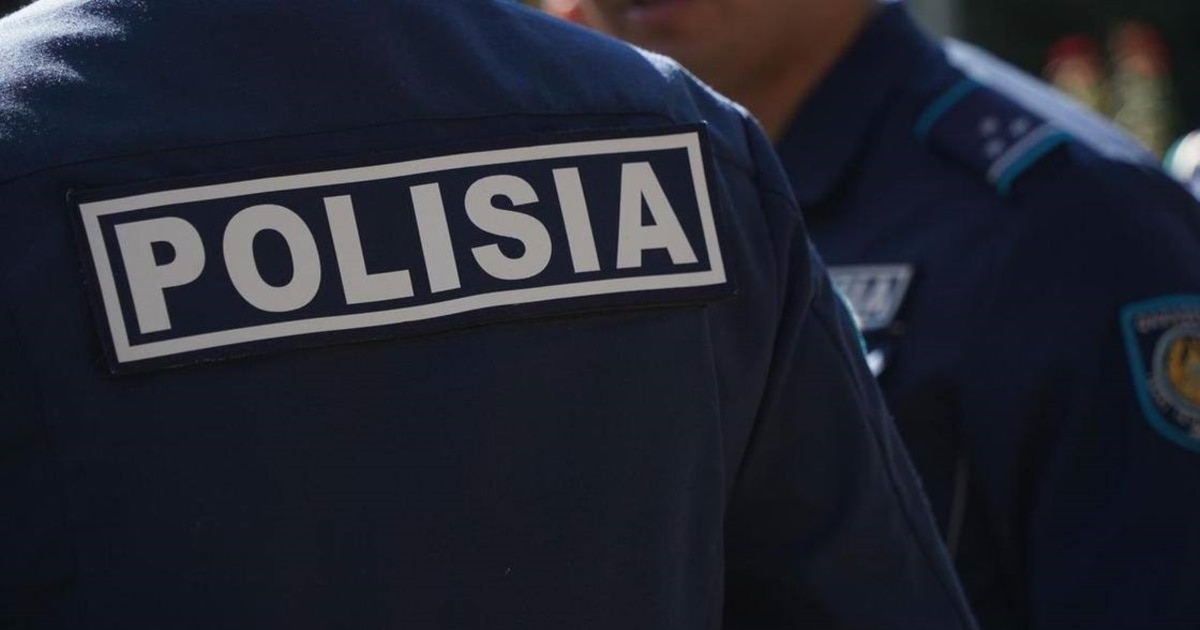
Astana police detain more than 20 education workers seeking meeting over Face ID rollout and data concerns
On November 4, over 20 representatives of supplementary education organisations who sought a meeting with Astana city officials were detained and taken to a police station, according to local media. The group says they want explanations about a pilot Face ID system introduced under the Qosymsha platform, alleging the equipment was installed without proper tendering or permits and expressing fears that children’s biometric data could be stored outside Kazakhstan, notably with Russian firm Yandex.
By Alexander Walter
1,091 views
More than 20 representatives of organisations that provide supplementary education in Astana were detained by police on November 4 after attempting to obtain a meeting with city officials to press for answers about the introduction of Face ID technology in educational institutions, local media reported.
The group, which works within the Qosymsha programme that distributes vouchers for extracurricular classes, gathered at the akimat (city administration) of Astana to demand an audience with the akim or his deputies. According to reporting by Ötкір күрек (Ot kir kүrek), all of those who came to the administration were detained by police and taken to a local station.
Those who assembled said they had repeatedly requested meetings with city leadership without success. Their stated grievance centers on a pilot project to install facial recognition (Face ID) systems in organisations that run additional education for children. Representatives said the equipment was installed by a company without a public tender and without the necessary permits or authorisations.
The protesters voiced particular alarm about the handling and storage of biometric data collected from children. They said they fear that the biometric information could be stored outside Kazakhstan, and specifically cited concerns that the data might be kept on services operated by the Russian technology firm Yandex. The group has demanded that city authorities clarify the legal basis for using the Face ID system and explain what measures are in place to protect minors’ personal data.
City officials and the police had not issued a public comment on the detentions or on the protesters’ allegations by the time of the report. The lack of an immediate response from the akimat leaves unresolved questions about why the demonstrators were detained and whether the city administration intends to address their demands.
The controversy comes against the backdrop of the Qosymsha platform’s broader rollout. In July of last year, the akimat of Astana launched a pilot version of Qosymsha to distribute free vouchers that allow children aged 4 to 18 to attend sports clubs and creative workshops. Authorities previously sought to reassure parents about the safety of the system, saying that measures were in place to protect personal data of children and their legal representatives. Officials have also said the programme expanded, with reporting indicating that by 2025 it covered more than 25,000 children.
However, the introduction of biometric systems into schools has sparked pushback from education providers and parents in other countries and contexts, who argue that such technologies raise serious privacy, legal and security risks—particularly when used with minors. Key concerns typically include whether data collection complies with procurement rules and data protection law, where biometric data is stored and processed, and what safeguards exist to prevent unauthorised access or transfer abroad.
The incident underscores intensifying public scrutiny over the use of biometric identification in public services and the transparency of procurement and data-management practices. It also raises questions about civic space and the right to petition local authorities: activists and service providers say they were seeking accountability through formal channels and met detention rather than engagement. Observers and rights defenders will likely watch for any official clarification from the akimat about the legality of the Face ID installation, the data flows involved, and the treatment of the detained education workers.