Andorra’s Tourism Problem: More Visitors or Higher-Value Visitors?
As Andorra draws over 9 million visitors against a population of 80,000, its tourism dilemma is shifting from attracting more visitors to generating more value from each one — without overwhelming its roads, housing and limited terrain.
By Juan Pablo Torrents-Faura
107 views
Andorra has made tourism one of the pillars of its economy, but the steady growth in visitor numbers raises an uncomfortable question: can a small Pyrenean state continue to grow in volume without increasing pressure on its roads, housing, territory and public services?
Andorra is entering a new phase in its tourism development. The Principality received just over 9 million visitors in 2025, an extraordinary figure for a country with a population of just over 80,000.
But behind this figure lies a particularly significant fact: a substantial proportion of those arriving in the country do not stay overnight.
The difference between a tourist who remains for several days and a visitor who arrives for only a few hours is important to the local economy. Both use roads, public spaces and infrastructure, but their economic contribution can be very different.
This situation is prompting the government and the tourism sector to reconsider a strategy traditionally focused on attracting the largest possible number of visitors.
The emerging trend is to attract visitors who are willing to spend more and stay longer.
For a small economy with limited territory, indefinitely increasing visitor numbers can produce diminishing returns. More traffic, higher demand for housing and greater pressure on public services can ultimately undermine some of the qualities that originally attracted tourists.
For this reason, Andorra Turisme, the public tourism company of the Andorran government, is promoting an offer increasingly centred on experiences, gastronomy, culture, wellness, nature and international events.
The objective is to reduce dependence on visits concentrated in particular periods of the year and to expand tourism activity throughout the year.
The Hidden Cost of Tourism
The debate cannot be limited to the revenue generated by hotels, restaurants and retailers.
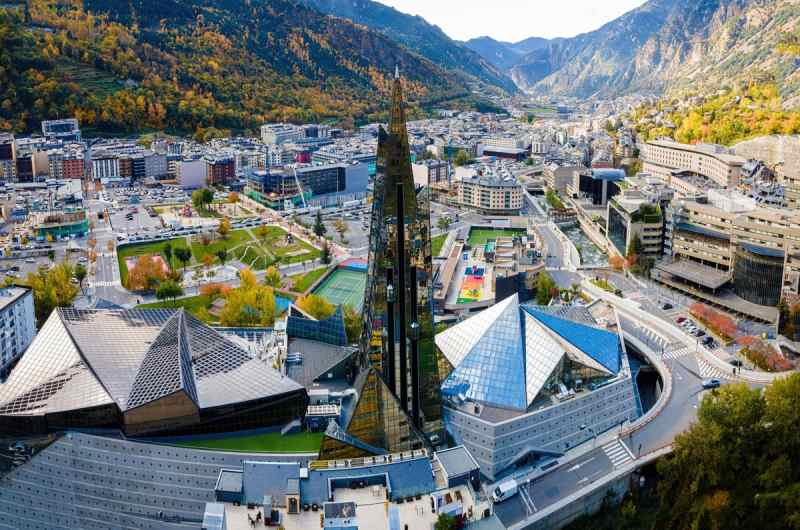
Andorra faces considerable pressure on its infrastructure, particularly during periods of peak demand. Mobility is one of the main challenges, as the concentration of visitors on certain weekends and during specific seasons can create significant traffic problems on the roads leading into the Principality.
Housing is another sensitive issue. Economic growth and the arrival of workers and new residents have increased demand for accommodation, while the availability of land is necessarily limited by the country’s mountainous geography.
In this context, tourism is no longer simply a business issue. It has also become a matter of territorial planning and public policy.
Andorra is also attempting to diversify its international markets. In recent years, the number of visitors from long-haul markets has increased, while the Principality continues to depend heavily on its closest neighbours, Spain and France.
This diversification could help reduce seasonality and strengthen Andorra’s position as a year-round international destination. But attracting visitors from distant markets also requires a different type of offer: cultural experiences, gastronomy, nature, wellness and higher-value services.
The objective would not simply be to fill more hotel rooms, but to increase visitor spending and the average length of stay.
The tourism debate in Andorra reflects a dilemma affecting many European destinations: is tourism growth sustainable when a territory has physical limits?
The answer will probably not lie in choosing between “more visitors” or “fewer visitors”, but in changing the relationship between visitor numbers, spending, length of stay and pressure on infrastructure.
For Andorra, success over the next decade could be measured by indicators other than visitor records. More overnight stays, higher spending per visitor, greater tourism activity outside the winter season and a more balanced distribution of visitors would all signal a shift in the tourism model.
Ultimately, the question is both political and economic: does Andorra want to be a country that receives ever more visitors, or a destination that generates more value from each visitor?
The answer will determine not only the future of its tourism industry, but also the kind of economic and social growth the Principality wants to pursue.