Allegations of Document Destruction at Serbian Institutions in Kosovo Raise Questions Over Who Can Intervene
Students and activists have reported suspicions that official documentation is being destroyed in Serbian-run institutions that operate in Kosovo, triggering calls for urgent investigatory measures. Serbian and Kosovo prosecutors and police face competing claims over jurisdiction, while experts warn that lost records could thwart probes into alleged misuse of public funds and links to criminal actors.
By Christopher Manley
1,126 views
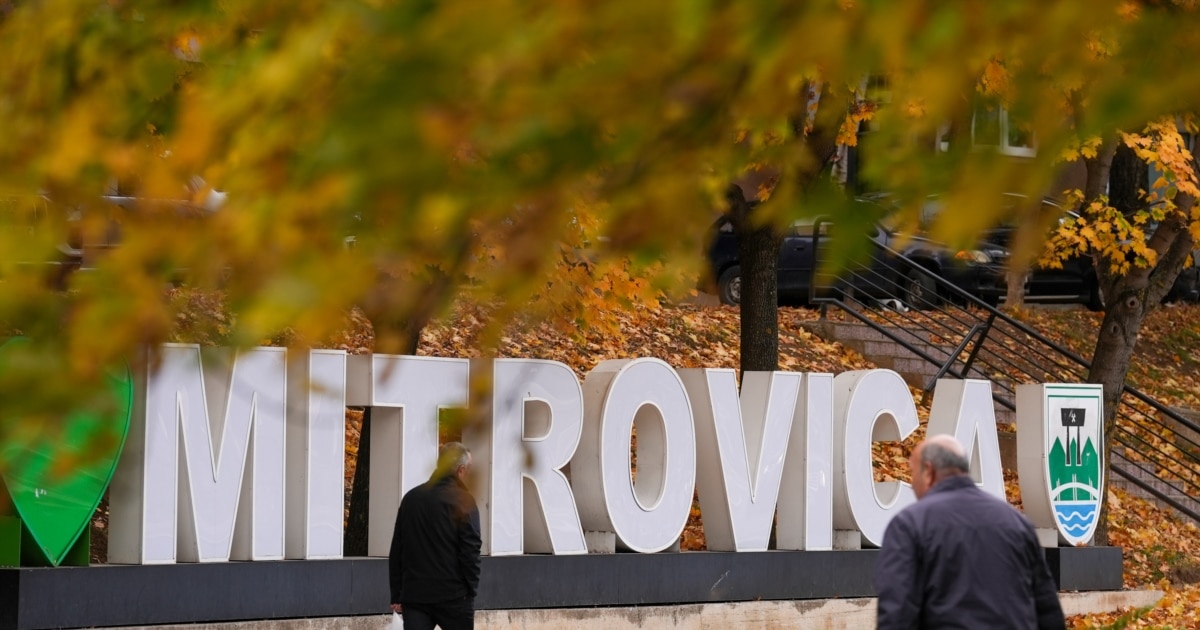
Students at the University of Mitrovica (North) and anti‑corruption activists have publicly raised suspicions that official documents are being destroyed at institutions run under the Serbian system that still operate in parts of Kosovo. The allegations, first circulated at the end of October, prompted Serbia’s high public prosecutor to order urgent inquiries in Belgrade, but left open questions about which authorities can effectively verify and prevent any losses of records on Kosovar territory.
On October 29, Serbia’s high public prosecutor, Zagorka Dollovac, instructed prosecutor’s offices across Serbia to urgently request police measures to prevent the destruction of official documents and other case files. The instruction followed reports circulating in Serbia alleging that paperwork was being shredded or otherwise removed in state institutions, banks, Serbia’s intelligence and security agencies, and other bodies that are considered important for Serbia’s economic, financial and legal security.
Radio Free Europe/Radio Liberty (RFE/RL) asked the office of the Serbian high public prosecutor how it would verify claims about document destruction specifically in Serbian institutions located in Kosovo and those that were relocated to nearby border towns in Serbia after being closed by Kosovar authorities. As of publication, that office had not answered RFE/RL’s questions.
The immediate alarms were raised after a group of students from the University of Mitrovica (North) — an institution that operates according to the Serbian system — said on October 28 that they had received information alleging destruction of documentation at the Clinic Hospital Center in North Mitrovica and in the so‑called temporary municipal organs. The hospital center denied the accusations in a written statement, calling them unfounded and saying there was no reason nor action to remove, destroy or conceal official records. It warned that such allegations could jeopardize the work of one of the most important institutions for the Serbian community in Kosovo.
Many institutions that operated under Serbian administration inside Kosovo were closed by Kosovar authorities in recent years as “parallel” and therefore illegal; some of these were relocated to towns in Serbia. Among those moved were a postal savings bank, the Serbian Post, the Pension and Disability Insurance Fund, the treasury of the National Bank of Serbia, and social welfare centers. That history complicates matters of legal competence and evidence preservation: Serbia and Kosovo largely do not recognize each other’s systems, and the practical consequence has sometimes been undocumented, overlapping payments, duplicate salaries and allegedly fictitious contracts.
Legal experts contacted by RFE/RL said that Kosovo’s prosecutors have the mandate to investigate and verify suspected destruction of documents that relate to institutions that have functioned on Kosovar territory — including those tolerated for periods by Kosovar authorities. Dušan Janjić of the Forum for Ethnic Relations in Belgrade told RFE/RL that prosecutions in Kosovo should be able to act, particularly where financial flows or paperwork documenting the movement of money are concerned. Janjić warned that records linking recipients and payments are vulnerable even if digital records are harder to erase.
The financial context heightens the stakes. Serbia’s Ministry of Finance recorded a 2025 allocation to the Serbian Government Office for Kosovo of 17.2 billion dinars (about 147 million euros), with an additional 2 billion dinars earmarked through the National Employment Service for assistance to unemployed people from Kosovo. RFE/RL has previously reported on suspected misuse of these funds. Observers point to opportunities for abuse created by parallel systems and poor transparency over the past decade, including instances where individuals reportedly drew multiple salaries or where projects were financed from both Serbian and Kosovar budgets.
The allegations also intersect with security and criminal investigations. Dušan Janjić suggested officials might target documentation related to Milan Radoičić, a controversial figure who has been blamed by authorities for a September 2023 attack in the Banjskë area; Kosovo has issued an arrest warrant for him and the Special Prosecutor’s Office in Kosovo is handling related procedures. Meanwhile, RFE/RL noted that at least ten contracts worth more than one million euros were awarded in early 2026 to a company associated with Radulle Stević, a businessman subject to U.S. sanctions for alleged criminal and corrupt links and facing indictment in Kosovo over a deadly attack on Kosovo police.
Officials in Belgrade’s Office for Kosovo did not respond to RFE/RL’s request for comment on the allegations, nor did other Serbian offices approached. Representatives of the Student List — a political movement born from anti‑corruption protests in Serbia that won parliamentary vote in recent Serbian elections — said on October 29 they had asked employees in various institutions to report any instances of document destruction during the transition period before new institutions are formed. The lack of transparent, coordinated responses from both Belgrade and Pristina, experts warn, risks allowing documentary evidence to disappear and may undermine efforts to hold responsible parties to account.