After Spain’s Wildfires: Who Will Pay for the Next Fire Season?
After a summer that burned over 254,000 hectares, Spain's real wildfire challenge begins not with the next column of smoke but in the budgets and decisions over who pays to prevent it.
By Juan Pablo Torrents-Faura
919 views
Spain has brought many of this summer’s major wildfires under control. Now another, less visible but decisive battle begins: who will pay the bill, and, above all, who will bear the cost of preventing the same thing from happening again?
On September 9, Spain’s Congress of Deputies approved Royal Decree-Law 20/2026, introducing urgent labour and social protection measures for areas affected by forest fires.
According to Spain’s Ministry for Ecological Transition, wildfires had affected 254,730 hectares of forest land as of August 17. More than 223,872 hectares were affected by 42 major wildfires. The figures are provisional, but they are enough to show the scale of the problem.
The uncomfortable question is simple: how much money is being spent on preventing forests from burning before taxpayers are forced to spend far more putting fires out and rebuilding what has been destroyed?
Prevention is not simply about having more aircraft or helicopters available. It means clearing combustible vegetation, maintaining roads and firebreaks, improving access routes, preserving water points and managing forest areas throughout the year. On September 9, the Ministry for Ecological Transition announced €20 million to help small municipalities improve their wildfire plans, evacuation routes, access roads and firefighting support infrastructure.
The State Cannot Do Everything
Forest owners bear much of the responsibility for land that, in many cases, generates little income. Keeping a property clear, managing woodland and maintaining access roads all come at a cost. If society demands this level of management, it must also ask who should finance it and what incentives should be put in place.
The same problem affects the countryside: farmers and livestock owners can lose crops, animals, machinery and facilities within a matter of hours. At the same time, their activity helps maintain rural landscapes that can act as a buffer between forested areas and populated communities. Post-fire compensation can help ease losses, but it cannot replace a permanent policy that makes it economically viable to keep these rural areas active and properly managed.
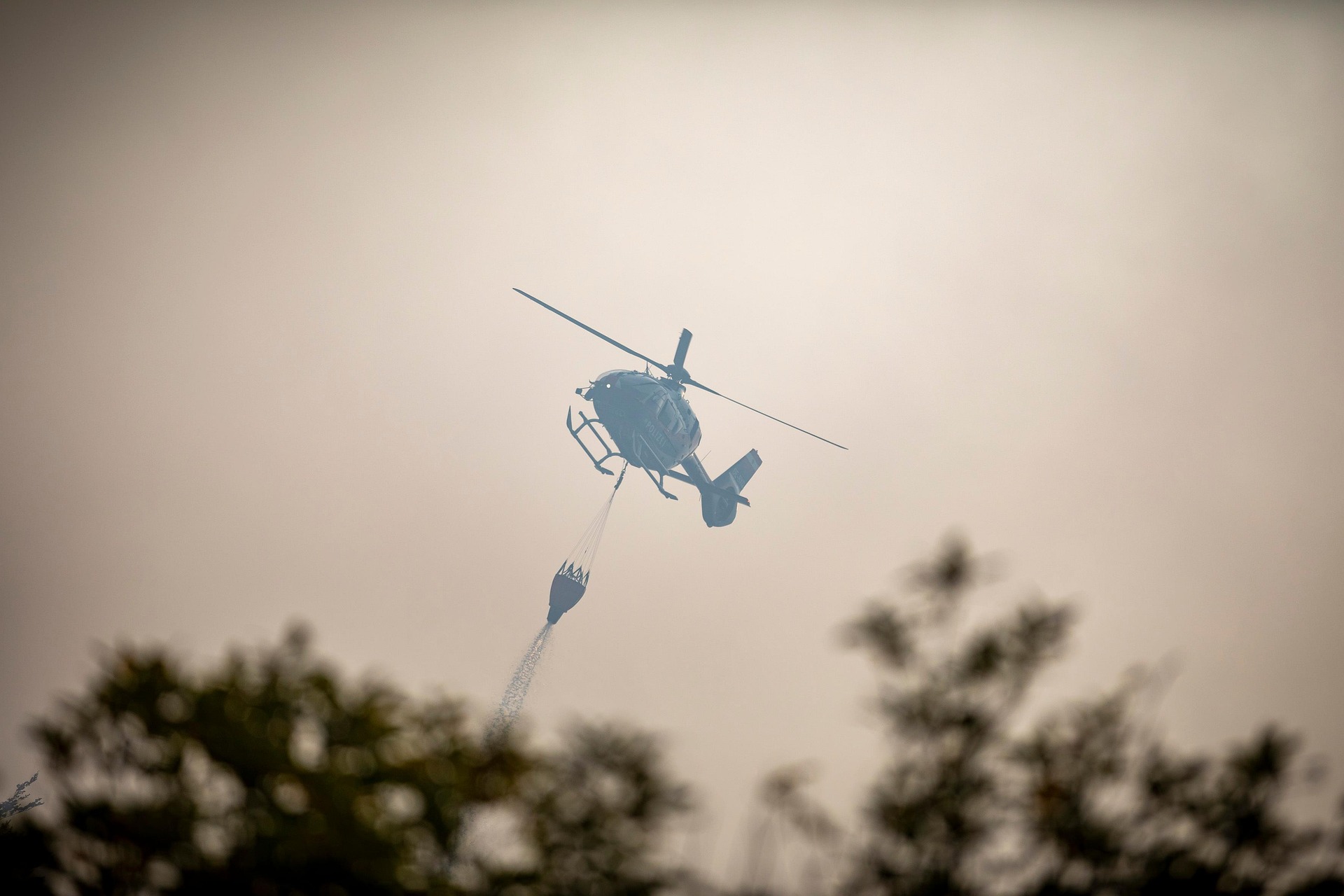
And then there are the forest firefighters. A major wildfire does not follow administrative schedules. It can burn for days, requiring teams, aircraft and resources from several autonomous regions. Maintaining adequate response capacity throughout the year comes at a significant cost. Not having that capacity can ultimately cost far more.
Because the bill does not end when the last flames are extinguished. Then come the roads that must be repaired, damaged power networks, farms and businesses that need to recover, homes that have been affected, and financial assistance for workers and companies. A substantial part of that bill ultimately falls on public budgets.
That is why the wildfire debate should not begin every summer when the first heatwave arrives. It should begin months earlier, while there is still time to act.
Who clears the forests? Who pays for that work? What incentives are available to landowners? How are farmers and livestock owners protected? How many forest firefighters are needed throughout the year? And how can authorities measure whether the money invested in prevention is working?
These are questions of economics and management, not simply environmental policy.
Spain can continue reacting after every disaster, approving emergency aid and rebuilding what has been destroyed. Or it can attempt to turn prevention into a permanent policy, with clear responsibilities and funding allocated before the emergency arrives.
The next wildfire season will not begin with a column of smoke on the horizon. It will begin much earlier—in budgets, in government offices and in the decisions over who is willing to pay to ensure that Spain’s countryside and forests are prepared when the fire arrives.