After Losing Businesses to War, Ukrainian Entrepreneur Sees New Shop Destroyed in June Strike but Vows to Rebuild
Katerina Kolmîkova, who fled the siege of Mariupol and rebuilt a new life and shop in Kyiv, had her store and warehouse destroyed in a Russian drone-and-missile attack on June 16. Having endured displacement, the forced separation from her teenage son and repeated upheaval, she says she will try again, sustained by community support and donations.
By Christopher Manley
824 views
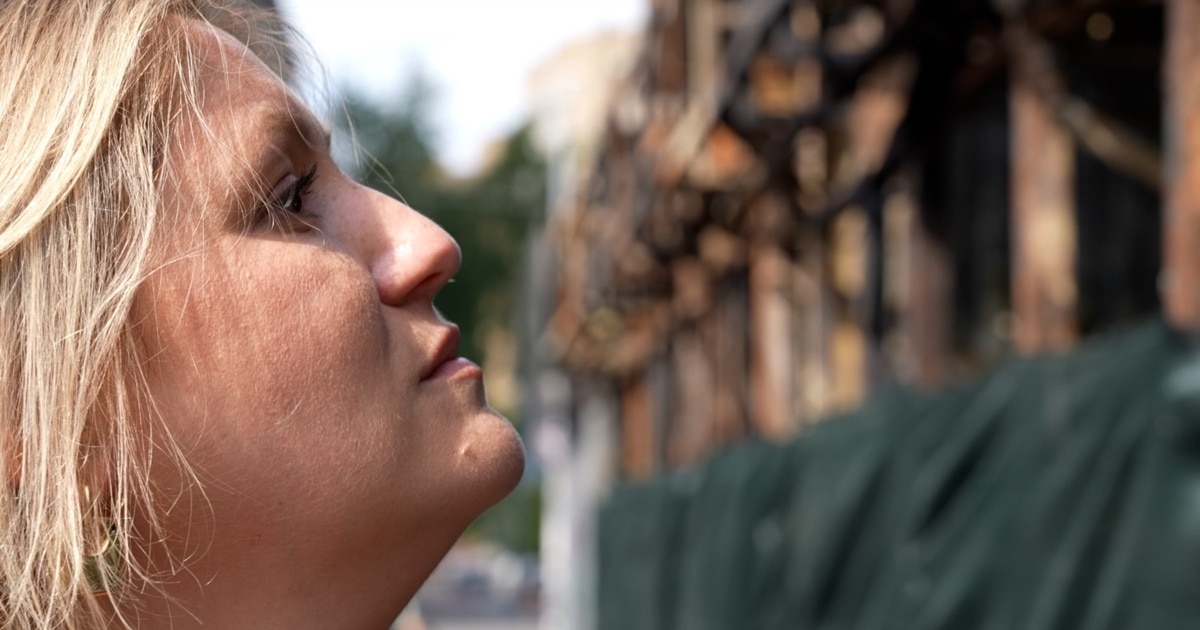
On June 16, a Russian attack involving drones and missiles struck a market in Kyiv where a small business owned by Katerina Kolmîkova and her husband Maksim was located. The strike reduced their shop and adjoining warehouse to a scorched skeleton of twisted metal shelves and ash, visible now behind a dusty green tarp. For Kolmîkova, this was the second time the war had obliterated her livelihood: four years earlier the couple had lost an entire chain of stores in their hometown of Mariupol when the city was shelled and later occupied.
The scale of loss is not only material. Kolmîkova and her family fled Mariupol in March 2022 as Russian forces encircled and pounded the city—attacks that reduced residential areas to ruins and killed thousands. The couple left behind eight shops they had run in Mariupol: Maksim sold household appliances and Kolmîkova sold handbags. "Aceasta a fost viața noastră de odinioară, după al doilea nostru început," she said, reflecting on the life they had rebuilt after their first displacement. The family also lost their home in the bombardment.
The psychological toll of the siege was profound. Kolmîkova recalled the terror of hearing neighbours burning in their homes and the helplessness of being unable to help: "Cel mai înfricoșător lucru nu a fost ceea ce am văzut, ci ceea ce am auzit." After the evacuation, the couple moved west briefly before settling in Kyiv. Since fleeing Mariupol they say they have lived in 15 different rented apartments, joining almost half a million internally displaced people in the Ukrainian capital—around 20,000 of whom are from Mariupol, according to the account.
The war also forced a painful family separation. Kolmîkova and Maksim sent their 14-year-old son to Israel so he could continue his studies in safety; he later elected to remain in Israel and became an Israeli citizen. The October 7, 2023 Hamas attack on Israel deeply affected Kolmîkova, who said she had paid the price of that separation with prolonged emotional collapse and required psychiatric and psychological help. Her son is now serving in the Israel Defense Forces. "Singurul lucru pe care nu-l pot ierta niciodată Rusiei este faptul că mi-a furat timpul," she said, describing how the war has accelerated the loss of time with family and stolen years from relatives.
After arriving in Kyiv, the couple rebuilt once more, opening a household goods shop buoyed by Kolmîkova's humorous promotional videos and a growing customer base. But in the June attack those gains were wiped out in one night. When a customer sent her a photograph of the market ablaze, the couple rushed to the scene. Standing amid flames and sifting through the ruins, Kolmîkova worried about how to pay rent and keep a roof over their heads: "Aveam o singură teamă: aceasta este singura mea sursă de venit, cum o să-mi plătesc chiria pentru locuință?"
In the weeks since the strike, Kolmîkova and her husband have been selling what remains from stock kept at their apartment or arranging postal pickups for goods they had stored. They have received thousands of messages of solidarity and some direct donations, which she says have been crucial: "Acest lucru ... înseamnă că nu are dreptul să cedeze." The couple have described being targeted by pro-Russian outreach aimed at persuading displaced people to return to Mariupol under the new occupation; Kolmîkova recounted calls praising Vladimir Putin and promoting a rosy narrative about life in the occupied city, a tactic she warned exploits the desperation of those who have lost everything.
The story of Kolmîkova and her family illustrates wider human-rights and humanitarian concerns in Ukraine: the repeated displacement of civilians, the destruction of livelihoods and housing, the fracturing of families and the long-term mental health consequences of siege and loss. More than five million Ukrainians have fled the country since the full-scale invasion began, and hundreds of thousands more have been displaced internally. Amid this broader crisis, individual stories like Kolmîkova’s underline both the immediate human cost of attacks on civilian markets and the resilience of people determined to rebuild despite recurrent violence.