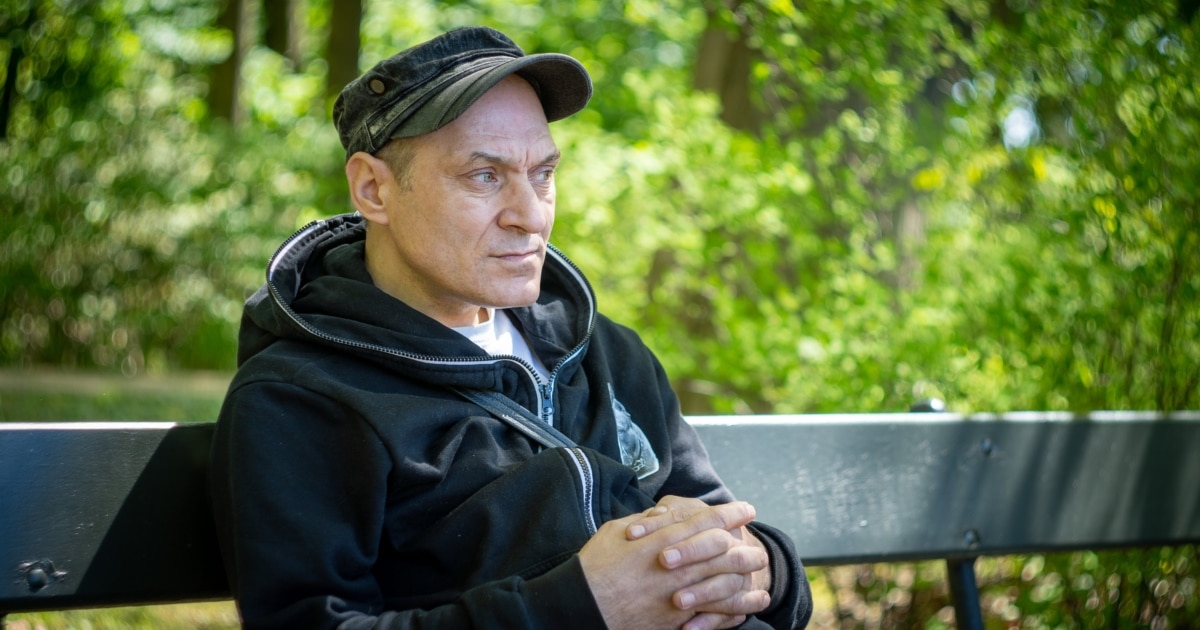
After beating and urgent spinal surgery paid for by Belarusians, exile in Poland faces pain, work barriers and blocked pension
Vital Tysiev (Віталь Тысеў), who underwent an urgent spinal operation in Germany in 2023 after Belarusians raised over €55,000 to prevent paralysis, now lives near the German border in Szczecin, Poland. He walks with a cane, suffers persistent shoulder pain and mobility limits, and is entangled in a prolonged fight with Polish authorities over his pension and access to further medical care.
By Clémence Desjardins
900 views
Vital Tysiev (Віталь Тысеў), a Belarusian who was beaten and detained during the 2020 protests, now lives in the Polish city of Szczecin after undergoing a complex spinal operation in Germany in 2023. For years before that operation Tysiev had lived with a spinal injury, but his condition worsened after his arrest and beating by Belarusian security forces in 2020. He says the time in detention triggered inflammation that evolved into an autoimmune connective-tissue disorder affecting the spine — diagnosed as ankylosing spondylitis — which fused his spinal joints and other joints and risked leaving him paralysed.
Three years ago, German doctors warned that without urgent surgery Tysiev could become paralysed within weeks. Belarusians raised more than €55,000 to pay for the operation, and he was treated successfully at the Charité clinic in Berlin. The operation averted immediate paralysis, but left ongoing neurological and musculoskeletal problems.
Today Tysiev lives with his partner, Natallia, at a summer allotment (a letishche) on the outskirts of Szczecin, near the German border. He describes their small dwelling — about 25 square metres, which he has extended with his own labour — and the modest annual cost of residency, roughly €700 a year, paid with permission of the allotment society’s chairman. He and Natallia farm a three‑ares plot, growing cucumbers, tomatoes, raspberries and, in a creative workaround, potatoes in bags because planting potatoes directly in the soil is not permitted on the plot. "Як беларус, бульбу вырошчваю," he says with a smile.
Physically, Tysiev still struggles. He walks with a cane and reports persistent pain and limited mobility in his right shoulder, which he attributes to nerves having been tightened during the spinal surgery. "Плячо недзе заціснута. Мне сьцягвалі нэрвы, як рэзалі, і дзесьці зацягнулі правы бок. Яно баліць ня ўвесь час, толькі як рухаюся. Руку падымаць магу, але невысока. Рабіць нешта фізычна магу, але толькі ў пэўнай пазыцыі. Як толькі троху вышэй ці ніжэй — баліць," he explains. Monthly injections relieve his symptoms, he says, but the pain limits what he can do physically and constrains the kinds of paid work available to him.
Tysiev says he could undergo another spinal operation that might improve his mobility, but he has declined to pursue it so far. He cites the high cost — likely comparable to the previous operation — uncertainty over outcomes and difficulty finding a surgeon willing to accept the case. According to him, Polish doctors refused to operate three years ago, and he continues to encounter refusals or reluctance from hospitals in Poland.
His legal and economic situation in Poland adds further complications. Tysiev currently holds a temporary residence permit and plans to apply next year for permanent residency, hoping that status will ease access to pensions and other benefits. He receives a disability allowance of about €280 a month. He says the Polish pension he seeks would be only modestly higher — around €400 — but would also open eligibility for additional programmes and employment support for people with disabilities.
Polish authorities have withheld that pension, Tysiev says, because Belarus has not confirmed his employment record. He challenged the refusal in court; a first‑instance court ruled in his favour, but the Polish social insurance institution (ZUS) refused to pay and the dispute remains under appeal. Tysiev expects further hearings could take years. He also describes barriers to paid work: where he is physically capable of working, employers require Polish citizenship or different insurance arrangements that make hiring him more expensive. Working "under the table" would strip him of medical insurance and access to the costly monthly injections his condition requires.
The case of Vital Tysiev highlights the intersection of medical need, the consequences of state repression, and the bureaucratic obstacles faced by political exiles trying to rebuild their lives. His successful operation in Berlin prevented imminent paralysis, but lasting disability, limited local medical options, uncertain social benefits and the slow pace of legal processes in a foreign country continue to constrain his recovery and livelihood. For now, Tysiev is trying to make do: tending his garden, repairing laptops to earn some money, and hoping that permanent residency and a favourable court outcome will allow him to secure a more stable income and fuller access to support services.