Adana Film Festival Awards Highlight Social Justice, Prisoners and Environmental Concerns
The 33rd International Adana Altın Koza Film Festival ended with prizes for Ali Vatansever’s Bir Arada Yalnız and outspoken acceptance speeches that turned the stage into a forum for human-rights concerns. Winners and jury members used the closing ceremony to call attention to imprisoned artists, victims of industrial accidents, deaths in Palestine and the environmental toll of plastic waste imports.
By Alexander Walter
1,147 views
The 33rd International Adana Altın Koza (Golden Boll) Film Festival closed with awards for cinema and a series of acceptance speeches that redirected attention from artistic achievement to urgent social and human-rights concerns. The ceremony, held at Çukurova University Congress Center, crowned Ali Vatansever’s Bir Arada Yalnız as Best Film and also awarded Vatansever Best Director. Fatih Al won Best Actor and Hazar Ergüçlü was named Best Actress for her role in Mutter: A Mother’s Notebook.
While the festival recognized cinematic excellence across multiple categories, the closing night was notable for the political and social content of speeches by winners and presenters. Hazar Ergüçlü used her acceptance speech to raise questions about structural injustice and to memorialize victims of workplace disasters. Pointing to her own family background in mining, Ergüçlü recalled the human cost of extractive industries and invoked the recent Soma mine disaster, naming 37-year-old Kerim Ören and addressing his son Yaşar. Ergüçlü said that seeing miner’s children cry made her ashamed of continuing everyday life and pleaded with the audience not to accept injustice: "We are living in a time when being yourself can be seen as dangerous or even suppressed," she said, adding, "We have only one hope left. We will not give it up." Her remarks connected personal memory and public tragedy to a broader appeal for compassion and accountability.
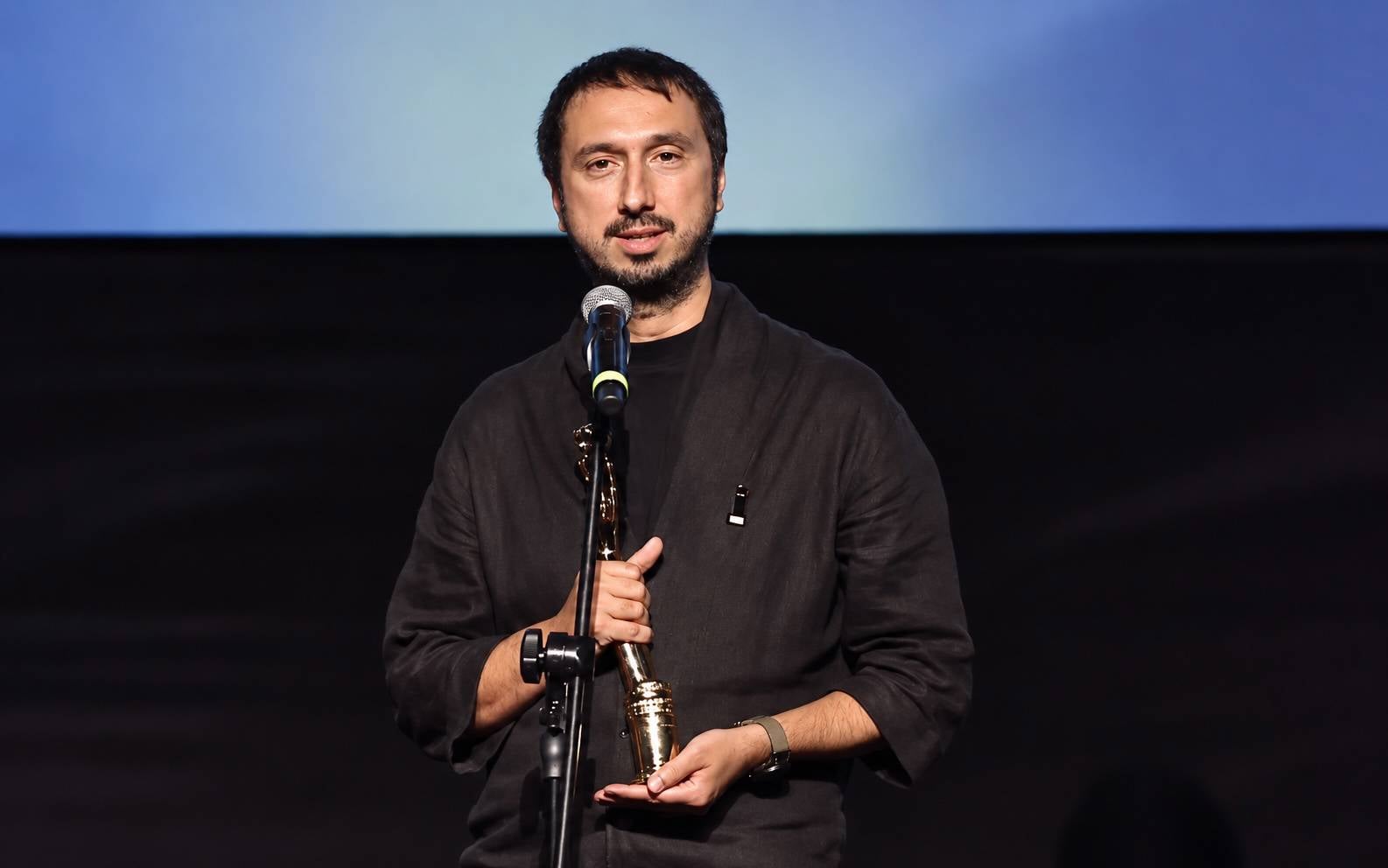
Ali Vatansever, whose film won both Best Film and Best Director, dedicated the director’s award to his students and offered a message to emerging filmmakers: "You may be alone, but you are not helpless." Accepting the Best Film prize, he framed the award as recognition for those who "remain good while the world burns," a sentiment that underscored the festival’s recurring theme of art as a form of civic resistance and moral witness.
Other awardees extended solidarity beyond the local context. Onur Gözeten, who received the festival’s Young Promising Male Actor prize for Bir Arada Yalnız, explicitly dedicated his speech to those behind bars, pledging to continue making films with "our friends inside and outside." Multiple speeches named detained filmmaker Çiğdem Mater and referenced other imprisoned or persecuted figures including lawyer Selçuk Kozağaçlı and activist Can Atalay, while the name of Berkin Elvan—whose death has become a symbol for many activists—was also invoked.
The festival’s social messaging was not confined to the main competition. At the National Student Films Competition, experimental jury special winner Metin Konar dedicated his award for Islak Köpekler to those killed in Palestine and to transgender people wrongfully detained. The jury’s special award for the fiction film Uslu was dedicated to children whose voices have been silenced and whose right to life has been violated. These dedications signaled a festival-wide engagement with pressing human-rights issues—from state repression and incarceration to international solidarity and marginalized communities.
Environmental concerns were raised on stage as well. Nuri Cihan Özdoğan, recipient of the Sinema Yazarları Derneği (SİYAD) Cüneyt Cebenoyan Best Film Award for Ölü Köpekler Isırmaz, drew attention to the problem of plastic waste being imported into the Adana region. "I hope this import of waste will end," he said, highlighting a local environmental grievance that has come up in earlier festival events.
Jury president Zuhal Olcay emphasized the social power of cinema in closing remarks, acknowledging the courage and labor behind the competing films and arguing that while film may not singlehandedly change the world, it can alter perspectives—and changing perspectives contributes to broader social change. The festival’s organizers announced total cash prizes of 8,425,000 Turkish lira, and the awards spanned multiple competitions and categories, from feature films and documentary to student and short films.
The Altın Koza festival also used earlier events to honor long-standing contributors to Turkish cinema: Orhan Kemal Labor Awards were presented to Suna Selen, Macit Koper and Aydın Sayman at the opening, while honorary awards later went to Ferzan Özpetek and Vahide Perçin. The repetition of social and political themes throughout the festival—both on stage and in the selection of winning works—underscored a sustained connection between Turkish filmmaking communities and broader struggles for justice, accountability and human rights at home and abroad.